Home trends are feeling a little different this summer.
Instead of rooms designed primarily to look impressive, homeowners are putting more thought into how a space actually feels to live in. Outdoor areas are becoming extensions of the house. Minimalism is getting warmer. Natural materials are replacing overly polished finishes. Even rooms that once had a very specific purpose are being reconsidered.
According to RE/MAX, four styles are standing out in summer 2026: indoor-outdoor living, soft minimalism, Mediterranean-inspired design, and dedicated wellness spaces. Despite looking different, all four have something in common — warmer colors, natural materials and spaces built around everyday life.
Here’s what those trends look like and, more importantly, which ideas might actually be worth borrowing for your own home.
1. Indoor and Outdoor Spaces Are Becoming One
The backyard isn't being treated as leftover space anymore.
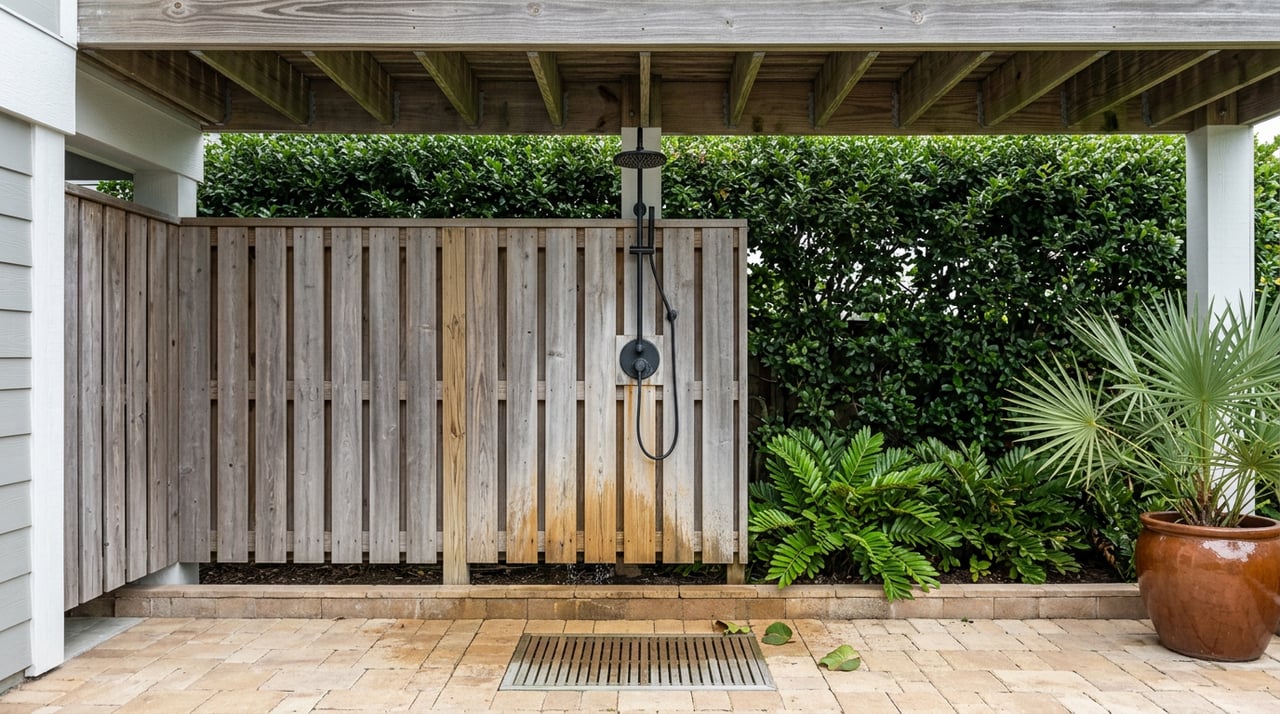
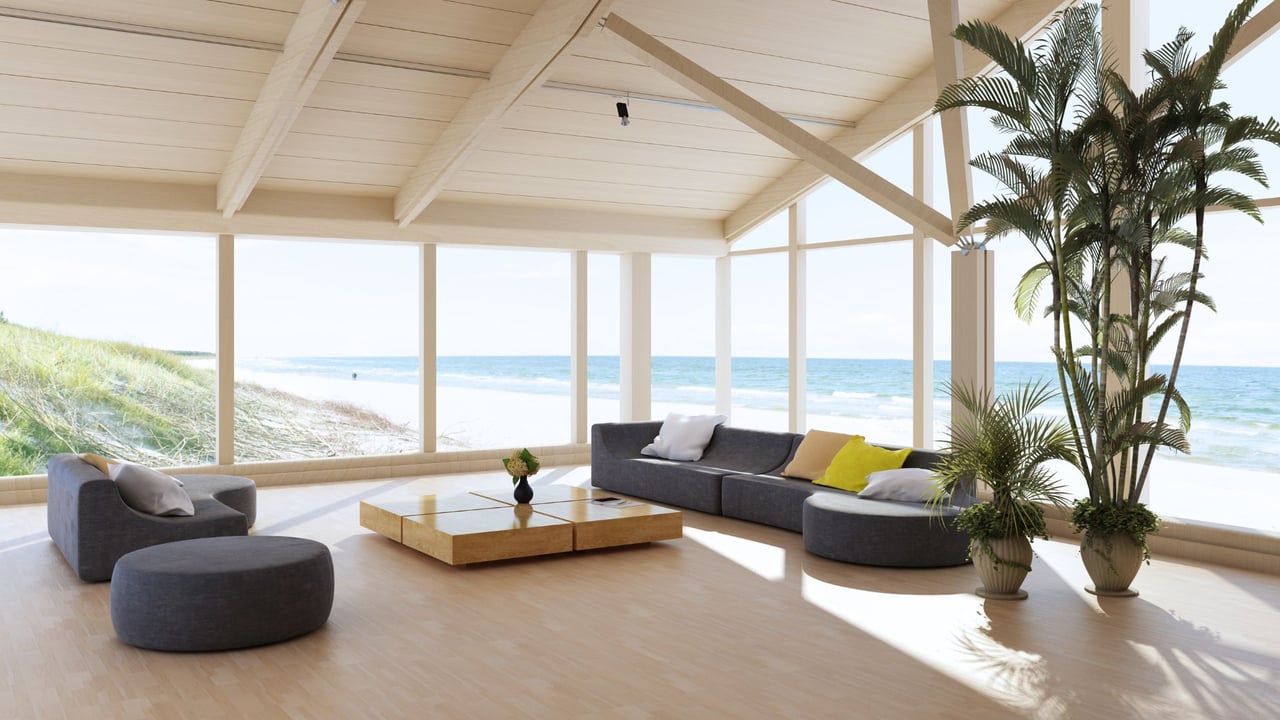
More homeowners are designing patios, porches and covered areas as actual extensions of their living rooms. Large glass doors, continuous flooring, comfortable outdoor furniture and full outdoor kitchens can make the transition from inside to outside feel almost seamless.
And buyers appear to notice.
RE/MAX cites research from the National Association of Home Builders showing that 82% of buyers consider a patio either essential or desirable.
That feels especially relevant in places where outdoor living is possible for much of the year.
You don't necessarily need an elaborate outdoor kitchen or retractable glass wall to get the effect, either. A covered seating area, better lighting, an outdoor dining table and a few comfortable pieces can turn an underused patio into somewhere people actually want to spend time.
For sellers, that's worth thinking about before listing. Instead of leaving a patio empty, showing buyers how the space can function may help them picture themselves using it.
2. Minimalism Is Getting Softer
The stark, almost showroom-like version of minimalism is starting to fade.
What's replacing it is sometimes called soft minimalism.
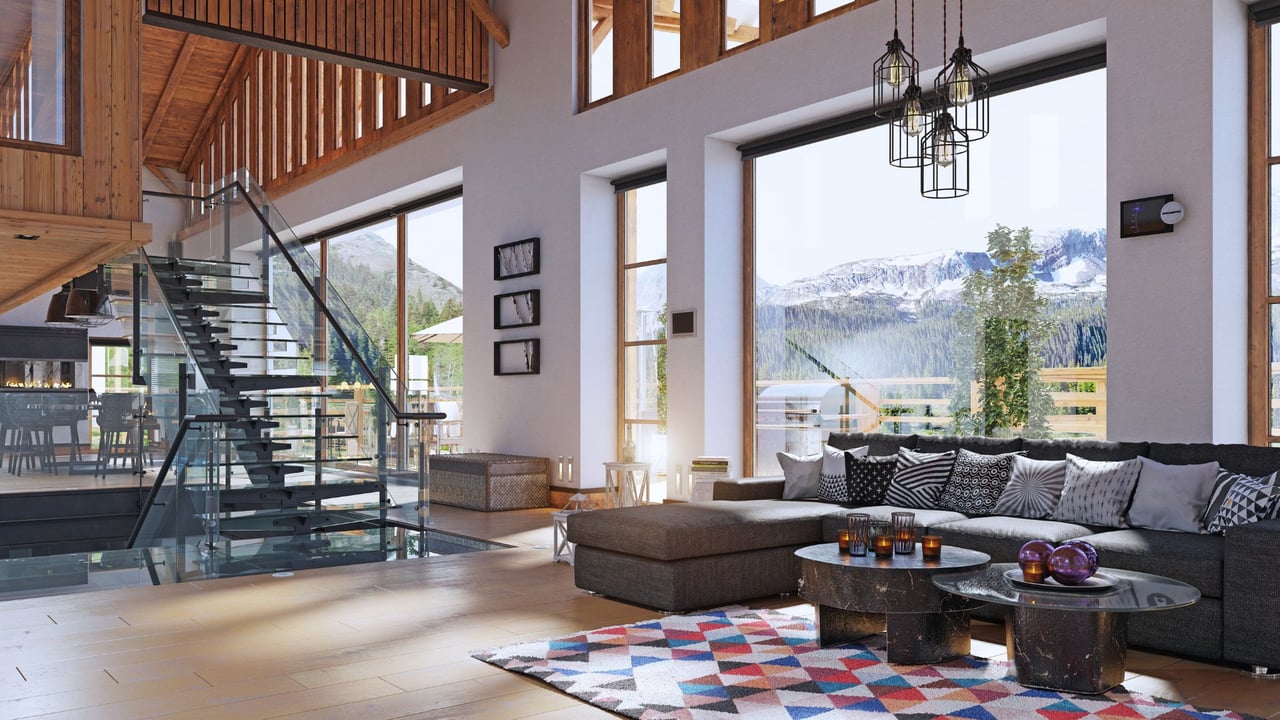
The basic idea of keeping things simple is still there, but the room doesn't have to feel cold. Warm whites, sand, clay and stone colors are replacing bright white and cool gray. Furniture has softer curves. Linen, wool, wood and textured finishes bring some personality back into otherwise simple rooms.
It's less about having an empty room and more about being intentional about what stays in it.
This is probably the easiest of the four trends to experiment with because it doesn't require a renovation.
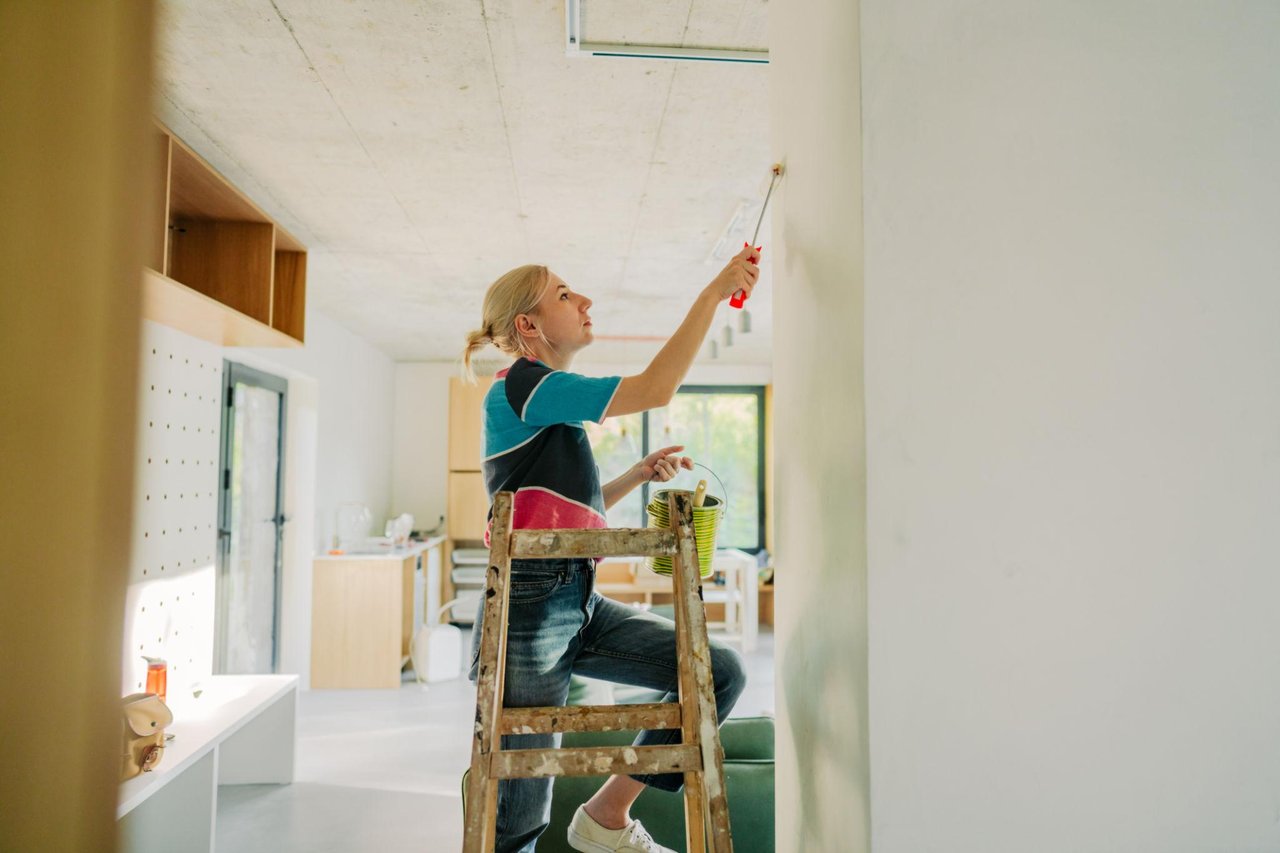
If you're getting a home ready to sell, you could remove a few unnecessary pieces, switch out some heavier décor and bring in warmer textures. Even repainting a cool gray room in a warmer off-white can completely change how the space photographs.
The goal isn't to make the house look trendy. It's to make it feel comfortable without becoming visually busy.
3. Mediterranean Style Is Coming Back — But Not the Way You Remember It
If the words Mediterranean style immediately bring back memories of dark Tuscan kitchens from the early 2000s, this isn't quite that.
The newer interpretation is lighter and considerably more relaxed.
RE/MAX describes the trend as using materials such as stone, travertine, terracotta and raw wood, paired with muted blues, olive greens and sun-washed neutral colors. Arched details, exposed beams and handmade or collected pieces can add character without making the entire house feel themed.
There's something appealing about this one because the materials don't have to scream "2026."
Natural stone still looks like natural stone ten years later. Wood develops character. Terracotta has been around much longer than any current design cycle.
That's an important distinction when you're choosing permanent finishes for a home.
It's easy to replace a throw pillow when a trend disappears. Replacing an entire kitchen backsplash because it suddenly dates the house is another story.
4. Homeowners Are Making Room for Wellness
Here's perhaps the most interesting shift: some rooms are losing their traditional purpose altogether.
A formal dining room that gets used twice a year might become a yoga room. A spare bedroom could turn into a quiet reading or meditation space. Larger homes may incorporate saunas, cold plunges or dedicated fitness areas.
RE/MAX points to the growth of wellness-focused real estate as part of the reason. The Global Wellness Institute reported that the worldwide wellness real estate market reached $876 billion in 2025, with the U.S. accounting for $254 billion.
But you don't need a private sauna to follow the trend.
Sometimes it's simply about asking a different question:
What would make this room more useful to us?
Maybe the answer is an exercise room. Maybe it's a home office with a reading chair. Maybe it's just an uncluttered spare bedroom with good natural light where you can close the door for an hour.
That's really what makes this trend interesting. It's less about adding another amenity and more about letting your home fit the way you actually live.
What Do These Trends Mean If You're Selling?
You probably shouldn't renovate your house simply because something is trending on social media.
But there are smaller ideas here that can make sense when preparing a home for market.
Warm up an overly cool color palette. Simplify crowded rooms. Give the patio a clear purpose. Let natural light in. If you have a flexible room, stage it in a way that helps buyers understand what they could do with it.
RE/MAX notes that these trends can essentially serve as a staging roadmap without requiring major structural changes.
That's the better way to use trends when you're selling.
You're not trying to turn your house into someone else's Pinterest board. You're showing buyers how comfortable and functional the spaces they already have can be.
What About Buyers?
For buyers, it's worth separating expensive features from inexpensive finishes.
An outdoor kitchen, covered entertaining area or large retractable glass doors could cost considerably more to add after closing. A warm paint color, different furniture or Mediterranean-inspired décor can be changed relatively easily.
RE/MAX makes a similar distinction, noting that some of today's most popular architectural features are costly to recreate later, while many of the aesthetic elements are primarily cosmetic.
So when you're comparing two homes, don't let the better-staged one automatically win.
Look at what's actually part of the house.
The Bigger Trend Is How We Use Our Homes
The interesting thing about summer 2026 design isn't really terracotta or curved furniture.
It's that homeowners seem less interested in having rooms simply because a floor plan says they're supposed to.
A patio becomes a living room. A dining room becomes a wellness space. Minimalism becomes comfortable instead of empty. Natural materials replace finishes chosen primarily because they were fashionable.
Some of these styles will eventually change — they always do.
But designing a home around how you actually live?
That one probably has a little more staying power.
Source: RE/MAX, Summer 2026 Home Trends: 4 Styles Shaping Homes Right Now, published July 17, 2026.