A home can be perfect for one stage of your life and feel completely different a few years later. Maybe the dining room has slowly turned into an office, every closet is packed, or your family seems to be constantly competing for the same bathroom.
That doesn’t automatically mean you need a bigger house. Sometimes better organization or a smarter layout can solve the problem. But when your home regularly gets in the way of your everyday routine, it may be worth asking whether it still fits the way you live.
1. Every Room Is Doing Double Duty
Using a room for more than one purpose isn’t necessarily a problem. Plenty of people use a guest room as an office or the kitchen table as an occasional homework station.
It becomes more noticeable when those temporary arrangements turn permanent.
If the dining table is always covered in laptops and paperwork, overnight guests mean rearranging half the house, or someone has to leave the room every time another person takes a work call, your household may simply be asking more from the space than it can comfortably provide.
Pay attention to what an ordinary weekday looks like. If everyone is constantly moving things, rearranging rooms, or waiting for someone else to finish using a space, that frustration can be a sign the house no longer fits your routine.
2. Storage Has Started Taking Over Your Living Space
A full closet probably isn't enough reason to put a home on the market. Most of us could stand to clean out a drawer or two.
The bigger warning sign is when things you actually use don't have anywhere to go.
Sports equipment ends up in the hallway. Pantry overflow appears on countertops. Seasonal items take over the garage. Closets are organized, reorganized, and somehow full again two weeks later.
Shelving and better organization can certainly help. But if you've already made good use of the storage you have and you're still constantly fighting clutter, more functional storage may deserve a place near the top of your next-home wish list.
3. Working From Home Changed Everything
A home that worked perfectly when everyone left each morning can feel very different once someone starts working remotely.
One person working from home may be able to make a spare bedroom work. Two people taking calls at the same time while children are home can expose problems you never noticed before.
And the solution isn't always another 500 square feet.
Sometimes what you really need is simply a better floor plan: a small dedicated office, an extra bedroom, a bonus room, or enough separation between work and living areas to let everyone use the house comfortably.
4. Your Household Has Changed
Growing families are one of the most obvious reasons people start looking for additional space, but households change in plenty of other ways too.
Children get older and want more privacy. An adult child may move back home. A parent or relative may join the household. Guests may begin staying for longer stretches.
That's why bedroom count doesn't always tell the whole story.
Bathrooms, parking, storage, separate living spaces and even the location of bedrooms within the house can have just as much impact on how comfortable a home feels.
5. Your Home Has No Room for What's Coming Next
You don't need to buy a house based on every possibility the next 20 years could bring. But it makes sense to think about changes you already know are likely.
Maybe you're expecting another child and every bedroom is already occupied. Perhaps you're planning to work from home permanently. Maybe a family member will eventually need to live with you.
When your current home works only as long as absolutely nothing changes, it may be worth looking at your options before the need becomes urgent.
Shopping before you're desperate for space also gives you something valuable: time. You can wait for the right property instead of feeling pressured to take whatever is available.
6. Entertaining Has Become More Trouble Than Fun
Not everyone wants a house designed for big gatherings, and that's perfectly fine.
But if having friends and family over is important to you, your current layout can eventually become frustrating.
Maybe the kitchen is separated from the living area. Maybe there isn't enough seating, parking is difficult, or guests have nowhere comfortable to stay overnight.
Before deciding you need a substantially larger home, though, figure out what is actually causing the problem.
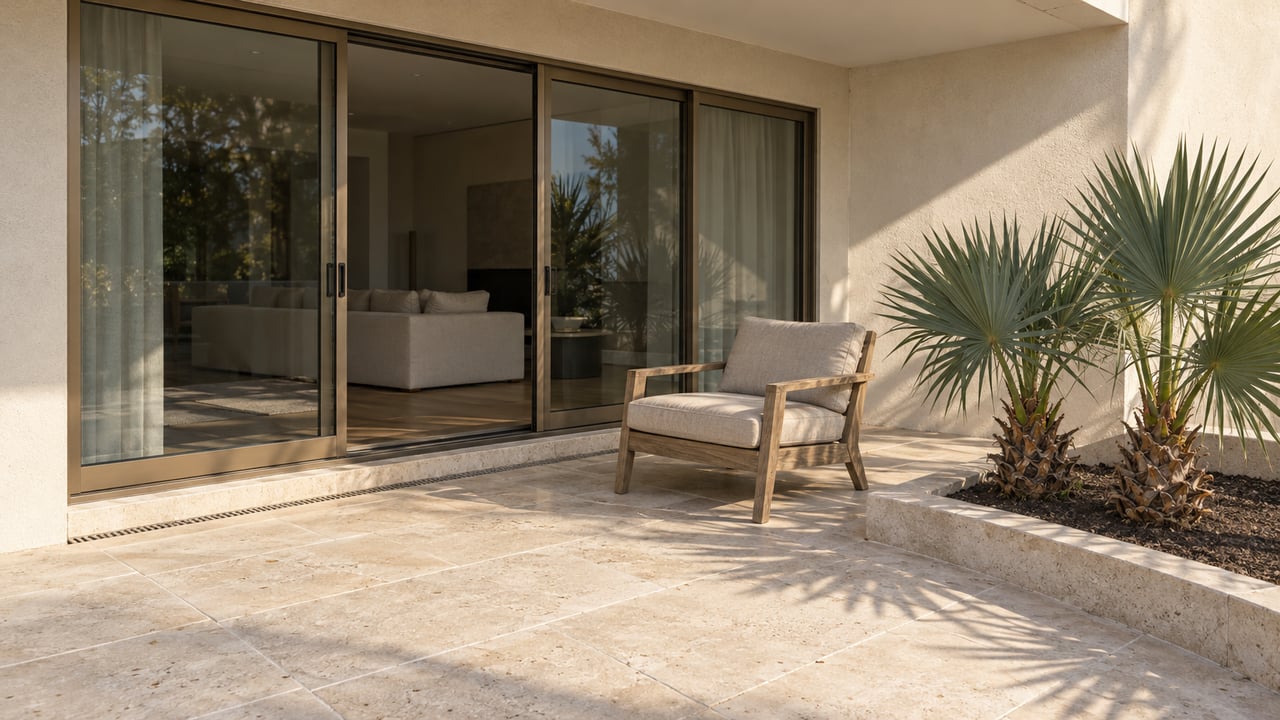
You might discover that a better kitchen layout, an additional living area, covered patio or larger driveway would improve your lifestyle far more than simply adding square footage.
7. You Keep Imagining How Much Easier Life Would Be Somewhere Else
Sometimes the biggest clue isn't something you can measure.
You notice yourself constantly thinking, If we just had another bathroom... or If the kitchen opened into the living room... or If we had a little more yard...
When the same frustrations keep showing up month after month, they're worth paying attention to.
But before jumping straight into a larger home, identify exactly what isn't working.
Bigger Isn't Always Better
One of the most important points to remember is that more square footage doesn't automatically equal a better home.
A thoughtfully designed smaller house can sometimes feel far more spacious and functional than a larger home with awkward rooms, wasted space or a poor layout.
Instead of beginning your home search with, "We need 500 more square feet," start with the problems you want the next house to solve.
Maybe you need another bathroom.
Maybe it's a real home office.
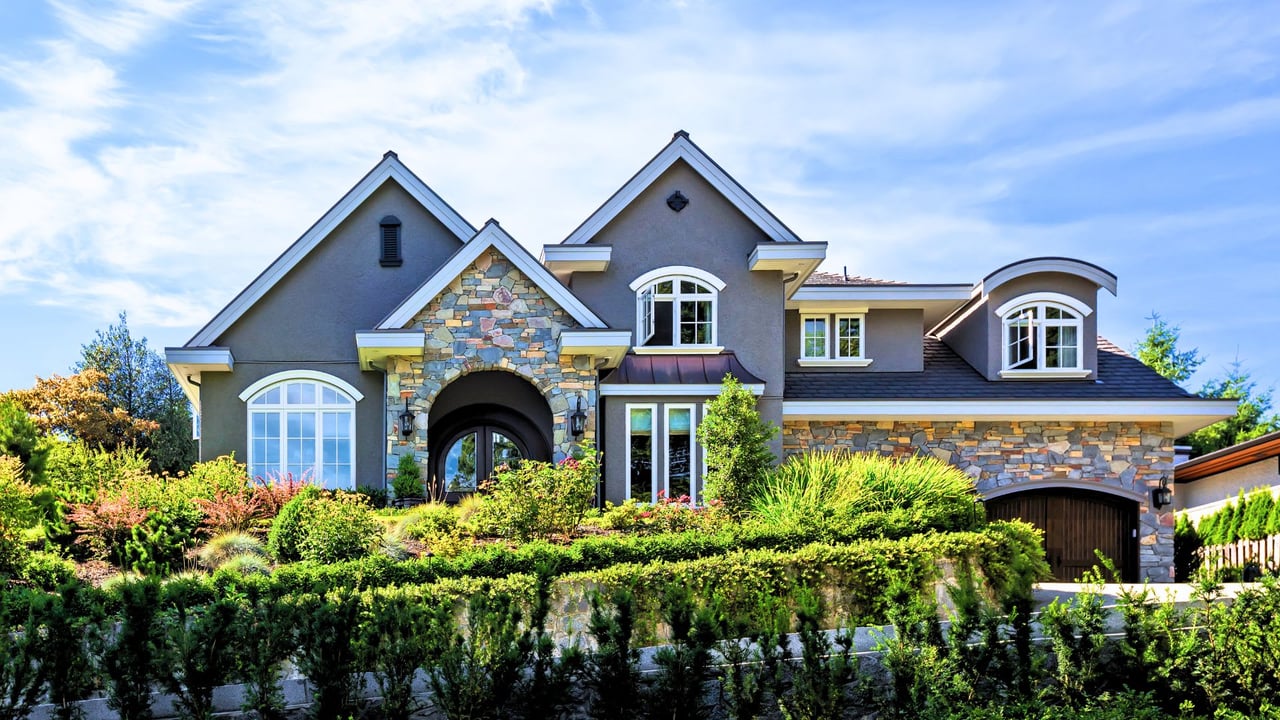
Maybe it's more kitchen storage, a larger garage, a split-bedroom floor plan or outdoor space where everyone can spread out.
Knowing the difference can keep you from paying for rooms you don't actually need.
Don't Forget What a Larger Home Costs
More house usually means more than a larger mortgage payment.
Depending on the property, it can also mean higher property taxes, insurance premiums, utilities, maintenance costs and upkeep. A larger yard, pool or additional exterior space can add expenses as well.
Location can be another tradeoff.
You may be able to get considerably more house by moving farther away from the beach, work, schools or the places you visit regularly. The question becomes whether the additional space is worth giving up some convenience.
There's no universal answer. It depends entirely on how your household actually lives.
Could You Renovate Instead?
Before putting a For Sale sign in the yard, it's also worth asking whether the problems could realistically be fixed.
If you love your neighborhood and location, remodeling may make sense. Built-in storage, converting an unused room, opening a kitchen, adding a bathroom or even building an addition could potentially give you what you need.
But larger renovations come with their own costs, permitting requirements, construction timelines and disruption. The RE/MAX article recommends comparing what you could realistically change about your existing property with both the cost of renovating and the cost of purchasing another home.
Find the Home That Fits the Life You Have Now
Outgrowing a house usually isn't one dramatic moment. It's a collection of small frustrations that gradually become part of everyday life.
When your home consistently makes working, relaxing, storing your belongings, entertaining or simply spending time together more difficult than it should be, it may be time to see what else is available.
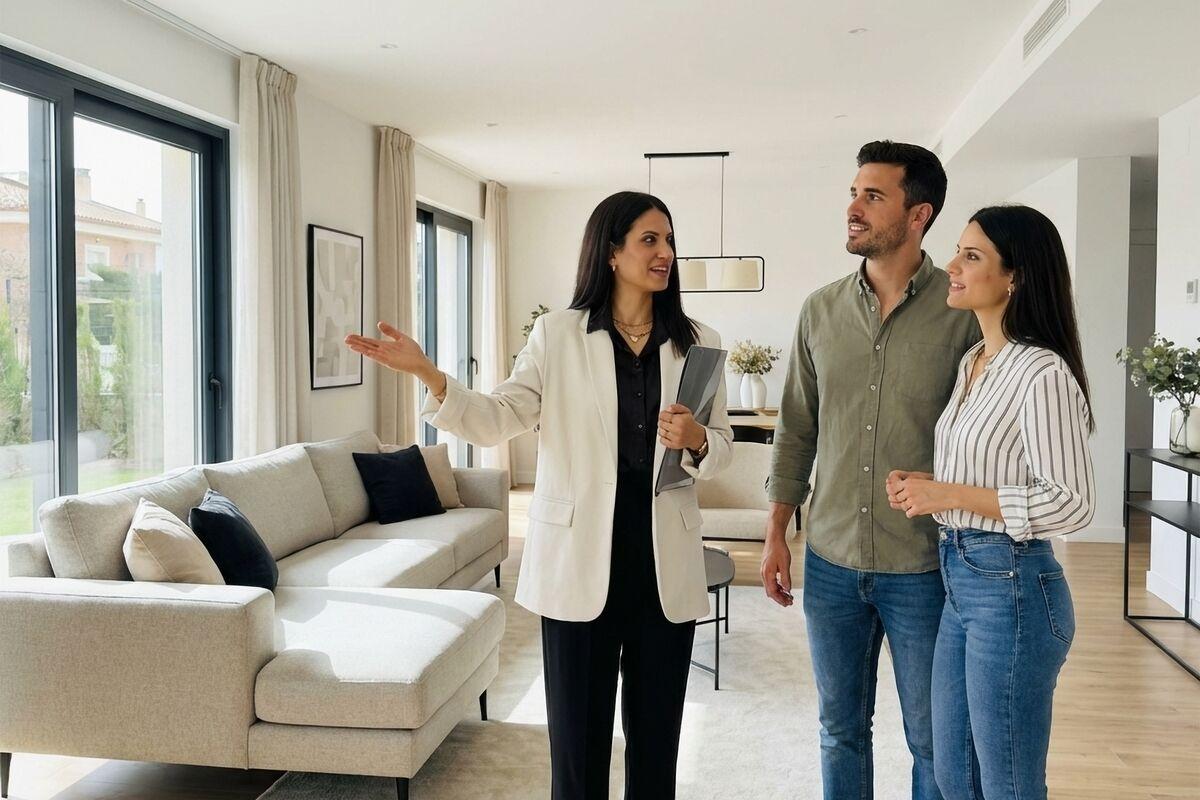
And sometimes looking at a few homes is all it takes to answer the question.
You may realize that moving would genuinely improve your day-to-day life. Or you may walk back into your current house with a completely new appreciation for it.
Either way, understanding what your home is worth and what your next options look like can help you make the decision with a lot more confidence.
Wondering whether you've outgrown your current Gulf Coast home? The CoateConnection Team can help you compare your current home's value with properties that offer the space, layout and features you're looking for.
Source: Adapted from “Signs You’ve Outgrown Your Current Home,” published by RE/MAX on August 27, 2026.