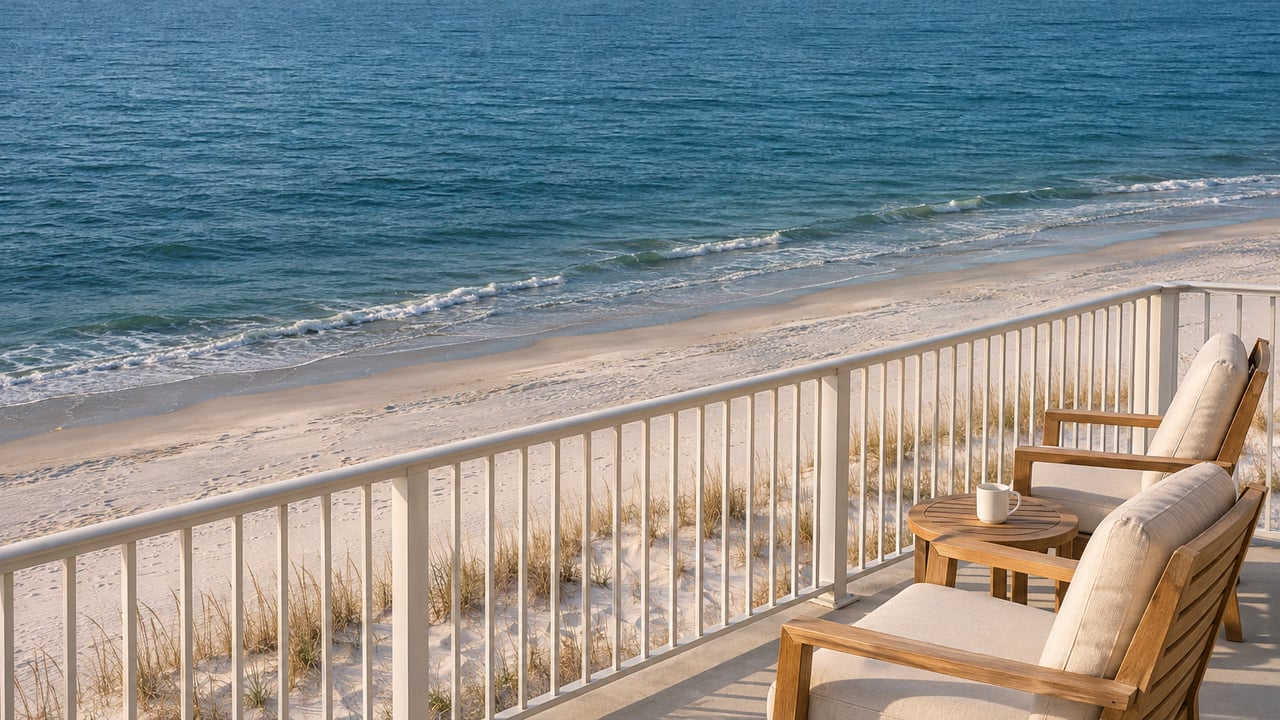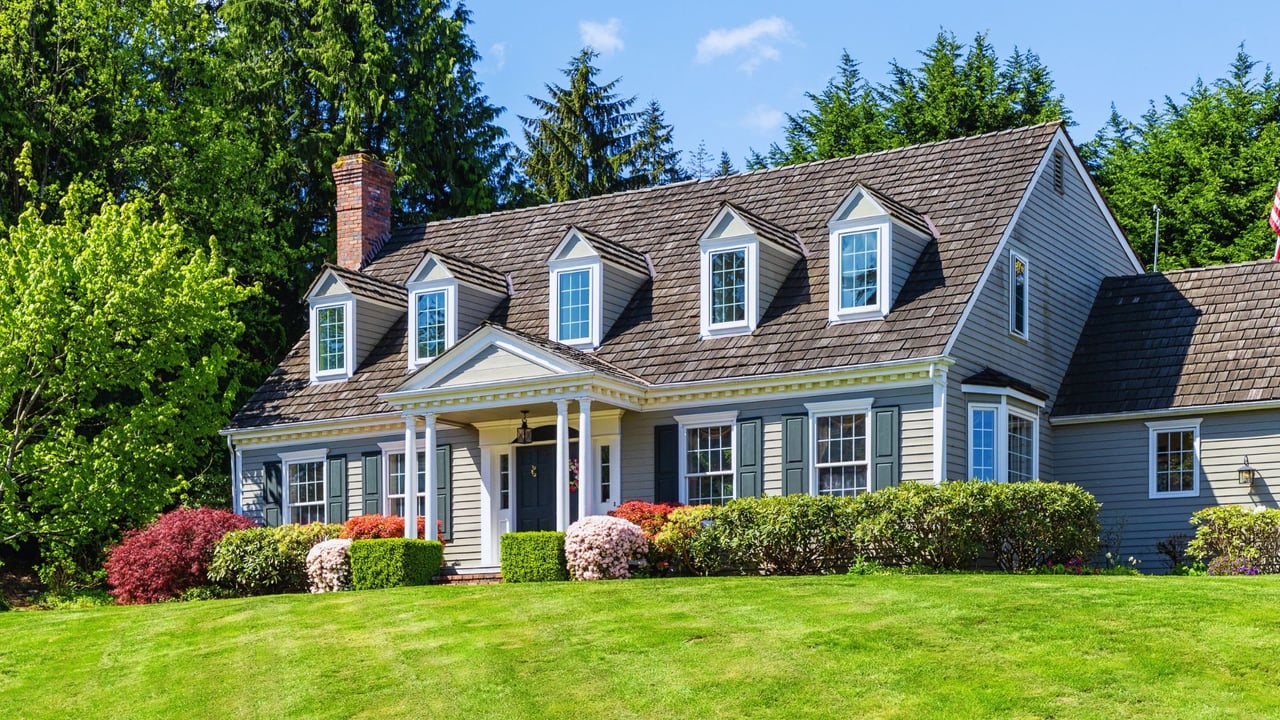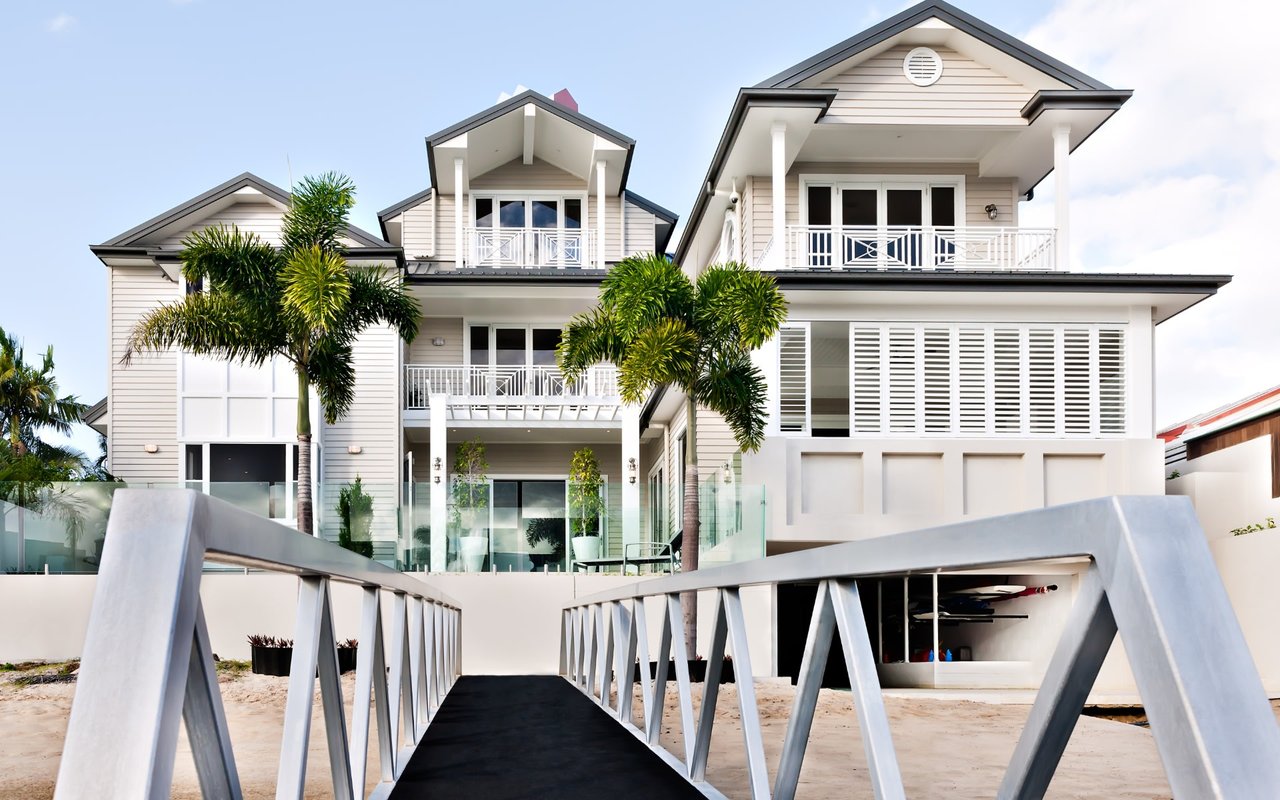
Moving to another state is exciting, especially when your destination is somewhere along the beautiful Alabama or Florida Gulf Coast. Whether you're dreaming of living closer to the beach, relocating for work, planning your retirement, or searching for a fresh start, purchasing a home in a different state can open the door to an entirely new lifestyle.
But buying a house hundreds of miles away comes with challenges you might not experience during a local move.
How do you tour properties when you can't easily visit? What happens if you need an inspection while you're still living in another state? And how can you make sure you're choosing the right neighborhood without knowing the area firsthand?
The good news is that you can purchase a home in another state before moving there, and much of the process can be handled remotely.
With the right preparation, local guidance, and a clear understanding of what to expect, relocating doesn't have to feel overwhelming.
Here's what you should know before buying a home in another state, especially if you're considering making the Gulf Coast your new home.
1. Research Your New Location Before Starting Your Home Search
One of the most important parts of buying a house in another state is understanding the area where you want to live.
It's easy to fall in love with beautiful listing photos, especially when they feature coastal views, spacious outdoor living areas, and attractive neighborhoods. But choosing the right community involves much more than finding a home you like.
Before narrowing down your search, consider your lifestyle and what matters most in your everyday routine.
Do you want to live within walking distance of the beach? Would you prefer a quieter neighborhood with more space? How important are nearby restaurants, shopping, schools, healthcare facilities, and recreational activities?
For buyers relocating to the Gulf Coast, each community offers something a little different.
Gulf Shores and Orange Beach, Alabama, are popular with buyers who appreciate coastal living, boating, waterfront activities, and convenient beach access.
Foley, Alabama, offers a mix of established neighborhoods, newer developments, shopping, and convenient access to surrounding coastal communities.
Fairhope and Daphne, Alabama, appeal to buyers interested in Eastern Shore living, charming downtown areas, and access to Mobile Bay.
Pensacola, Florida, offers a combination of historic neighborhoods, waterfront communities, employment opportunities, and cultural attractions.
Perdido Key, Florida, attracts buyers looking for a relaxed coastal atmosphere, beach properties, and access to both Pensacola and Orange Beach.
Navarre, Pace, and Milton, Florida, provide additional housing options for buyers considering Northwest Florida.
Each area has different property types, price ranges, insurance considerations, and neighborhood characteristics.
A local real estate professional can help you compare communities and understand what your budget may realistically purchase in each location.
2. Create a Budget That Includes Moving Expenses
When purchasing a home in another state, your budget needs to cover more than the home's purchase price.
Along with the down payment and closing costs, there are several expenses that buyers sometimes overlook.
These may include:
- Travel expenses for house-hunting trips.
- Moving company fees and transportation costs.
- Temporary lodging while waiting to move into your new home.
- Storage fees for furniture and personal belongings.
- Utility deposits and service connections.
- Overlapping rent or mortgage payments.
- Repairs, maintenance, and unexpected expenses after moving.
For example, if you're relocating from Michigan, Ohio, Tennessee, or another state to the Gulf Coast, moving furniture and personal belongings over a long distance can add a significant amount to your overall expenses.
It's also important to consider the cost of homeownership in your new location.
Along the Gulf Coast, property insurance deserves particular attention. Homeowners insurance, possible flood insurance, wind coverage, and condominium association fees can affect the total monthly cost of a property.
A home that looks affordable based on its asking price may have additional expenses that change your budget.
Before making an offer, work with your lender and insurance professionals to understand the complete financial picture.
3. Get Preapproved for a Mortgage in Your New State
Getting preapproved for a mortgage is an important step in any home purchase, but it's especially valuable when buying from another state.
A mortgage preapproval helps establish your potential price range and gives you a better understanding of what your monthly payment could look like.
It also demonstrates to sellers that you've taken steps to prepare financially.
However, there's something out-of-state buyers should know: your lender must be authorized to originate mortgages in the state where you're purchasing.
If you're moving from another state to Alabama or Florida, confirm that your lender can finance a property in your destination state.
You'll also need to explain how you plan to use the property.
Are you purchasing a primary residence, vacation home, or investment property?
These distinctions can affect down payment requirements, loan terms, and qualification standards.
If you're relocating for a new job, discuss your employment timeline with your lender as early as possible. Changes in employment or income documentation could affect financing approval.
Getting these details sorted out before you begin touring homes can save time and help prevent unexpected complications later.
4. Work With a Local Real Estate Agent Who Understands Relocation
When you're buying a house in an unfamiliar area, having someone local who understands the market can make a significant difference.
An experienced real estate agent can do much more than send you property listings.
They can help you compare neighborhoods, evaluate recent home sales, arrange property tours, and explain important details about the local market.
For buyers relocating to the Gulf Coast, local knowledge is especially important because properties can vary considerably from one neighborhood to another.
For example, two homes with similar asking prices might have very different insurance costs, HOA requirements, flood-zone considerations, or maintenance needs.
A local agent can help you identify questions worth asking before you become attached to a property.
They can also coordinate with inspectors, lenders, title companies, and other professionals while you're still living out of state.
Perhaps most importantly, they can provide an informed local perspective on communities you're unfamiliar with.
The goal isn't just to find a home you love online. It's to find one that makes sense for your lifestyle, budget, and long-term plans.
5. Take Advantage of Virtual Home Tours
One of the biggest advantages today's buyers have is the ability to explore homes without physically being there.
High-quality photographs, video walkthroughs, and live virtual tours can help you narrow down your options before making a trip.
However, not all virtual tours provide the same level of information.
A professionally produced listing video may highlight a home's best features, but it won't necessarily show every detail you need to make an informed decision.
That's why live video walkthroughs can be particularly valuable.
During a live tour, your agent can show you specific areas of the home, answer questions, and take a closer look at features that might not appear in listing photographs.
You can ask to see the condition of the flooring, ceilings, windows, exterior siding, roofline, driveway, and surrounding properties.
For homes along the Gulf Coast, it's also worth paying attention to drainage, outdoor structures, HVAC systems, and signs of previous water intrusion.
If possible, ask your agent to show you the street and nearby surroundings.
A property might look wonderful inside, but understanding its location is equally important.
And while virtual tours are extremely helpful, consider visiting in person before making a final decision whenever your circumstances allow.
6. Understand Local Property Conditions and Insurance Requirements
Buying property along the Gulf Coast can be very different from purchasing a home in a landlocked state.
Our coastal environment offers incredible benefits, but it also creates a few considerations buyers should investigate carefully.
Flood Zones and Flood Insurance
Not every home near the Gulf Coast is located in a high-risk flood zone, and not every property requires flood insurance.
However, buyers should review available flood maps, lender requirements, and insurance options before purchasing.
Even properties outside designated high-risk flood zones can experience flooding.
Understanding the potential risks and insurance expenses can help you make a more informed decision.
Wind and Hurricane Protection
When considering homes in coastal Alabama or Florida, ask about the roof's age, condition, and construction.
In Alabama, a FORTIFIED roof or home designation may be worth investigating because qualifying properties can be eligible for certain insurance benefits.
It's also important to understand the property's construction features, any documented storm damage, and the availability of appropriate insurance coverage.
HOA and Condominium Requirements
If you're buying a condominium or a home in a planned community, carefully review the association's rules and financial obligations.
Some communities have restrictions involving pets, parking, rentals, exterior modifications, or other property uses.
For condominiums, buyers should also investigate association reserves, insurance responsibilities, and potential special assessments.
These details can significantly influence whether a property is the right fit for your needs.
7. Make an Offer With the Right Protections
Once you've found a home that meets your needs, the next step is making an offer.
This is where having a clear understanding of local market conditions becomes particularly valuable.
Your agent can help you review comparable sales, evaluate the asking price, and determine an offer strategy based on the property and current market.
However, price isn't the only important part of an offer.
You'll also want to consider financing terms, earnest money, inspection periods, appraisal requirements, and your preferred closing date.
If you're selling a home in another state before relocating, coordinating both transactions may require additional planning.
For example, you may need the proceeds from your existing home to complete the purchase of your new property.
In that situation, discuss possible closing timelines and contingencies with your agent and lender.
While it can be tempting to waive certain protections to make an offer more competitive, doing so may create additional risks, especially when you haven't seen the property in person.
A thoughtful offer should balance competitiveness with protecting your financial interests.
8. Schedule a Professional Home Inspection
A home inspection is especially important when purchasing a property from another state.
Even if a home appears to be in excellent condition, a professional inspection may uncover issues that aren't visible in photographs or video tours.
Hire an independent, qualified home inspector who can provide a detailed report about the property's condition.
For Gulf Coast properties, consider asking about roof condition, signs of moisture intrusion, HVAC performance, drainage, electrical systems, plumbing, and exterior structures.
Depending on the property, additional specialized inspections may be appropriate.
If you're unable to attend the inspection, ask whether the inspector can review the findings with you by phone or video conference.
This gives you an opportunity to ask questions and better understand any recommended repairs.
Remember that a home appraisal and home inspection serve different purposes.
An appraisal helps the lender evaluate the property's value for financing purposes. An inspection focuses on the property's condition.
Both can play important roles in the purchasing process.
9. Find Out Whether You Can Close Remotely
One of the most common questions out-of-state buyers ask is whether they need to travel to their new state for closing.
The answer depends on the transaction.
In some cases, buyers may be able to complete certain documents electronically or arrange remote signing.
However, remote notarization and closing requirements vary depending on state laws, lender policies, title company procedures, and the type of transaction.
Don't assume you can complete the entire process remotely without checking first.
Speak with your lender and closing professional early so you know exactly what will be required.
For many standard mortgage transactions, buyers receive a Closing Disclosure at least three business days before closing.
Review this document carefully to confirm the loan terms, monthly payment, and closing costs.
You should also take precautions against wire fraud. Always verify wiring instructions by calling your closing professional using a trusted phone number before transferring funds.
With proper coordination, it's possible to handle much of the closing process while you're still living in another state.
10. Prepare for Moving Day and Your New Gulf Coast Lifestyle
Once your offer is accepted and closing is approaching, it's time to begin preparing for the move itself.
Start by coordinating with your moving company and confirming when you'll receive access to your new home.
Arrange utilities, insurance coverage, address changes, and any necessary services before arriving.
If you're moving into a condominium or an HOA community, find out whether there are special requirements for moving trucks, elevators, parking, or deliveries.
You may also want to familiarize yourself with nearby grocery stores, healthcare providers, pharmacies, and other services.
If you're relocating to the Gulf Coast from a colder climate, you'll probably notice some lifestyle changes, too.
Our mild winters, waterfront activities, outdoor recreation, and coastal communities are a big part of what attracts new residents.
But it's also helpful to understand the rhythm of the area.
Summer tourism can bring busier beaches and heavier traffic in popular destinations, while fall and winter often offer a quieter atmosphere.
Spending time learning about these seasonal differences can help you settle into your new community more comfortably.
Can You Buy a House in Another State Without Visiting?
Yes, purchasing a home in another state without visiting in person is possible in many situations.
Virtual tours, electronic documents, professional inspections, and remote closing arrangements have made long-distance home purchases more manageable.
However, buying sight unseen requires additional caution.
Photographs and videos don't always reveal everything about a property or the surrounding neighborhood.
If you cannot visit personally, having trusted local professionals evaluate the property becomes even more important.
Request detailed walkthroughs, review independent inspection reports, investigate the neighborhood, and understand the property's condition before making your final decisions.
The more information you have, the more confident you can feel about purchasing from a distance.
Is Buying a Home in Another State More Complicated?
The basic homebuying process is similar whether you're purchasing locally or across state lines.
You'll still need financing, a purchase agreement, inspections, an appraisal when required, and a closing.
The difference is that an out-of-state purchase usually requires more coordination.
Travel schedules, moving arrangements, different legal requirements, and unfamiliar local market conditions can add additional steps.
But with the right team and a realistic timeline, those challenges can be managed.
The most important thing is to begin planning early rather than trying to coordinate everything at the last minute.
Why So Many Buyers Are Considering the Alabama and Florida Gulf Coast
For many people relocating from another state, the Gulf Coast offers an appealing combination of coastal scenery, recreational opportunities, and diverse communities.
Some buyers are looking for a retirement destination. Others are moving to be closer to family, relocating for employment, or purchasing a home where they can enjoy outdoor activities throughout much of the year.
One of the area's biggest advantages is the variety of lifestyles available within a relatively short distance.
You can enjoy waterfront living in Orange Beach, explore the charming streets of Fairhope, settle into a neighborhood in Foley, or experience the historic character of Pensacola.
For buyers who want a quieter setting, communities such as Elberta, Robertsdale, Milton, and Pace may also be worth exploring.
There's no single Gulf Coast lifestyle that fits everyone.
That's why taking the time to understand the different communities is so important before making a decision.
Ready to Make the Gulf Coast Your New Home?
Buying a house in another state may require extra planning, but it can also be the beginning of an exciting new chapter.
Whether you're relocating for work, preparing for retirement, searching for a second home, or simply ready for a change of scenery, the key is having the right information and support throughout the process.
From exploring neighborhoods and arranging virtual tours to coordinating inspections and navigating closing, local expertise can make a meaningful difference.
The Coate Connection Team at RE/MAX Gulf Properties is here to help buyers explore available homes and communities throughout the Alabama and Florida Gulf Coast.
With more than 25 years of trusted experience, our team understands the local market and the unique considerations involved in purchasing coastal property.
Thinking about relocating to Gulf Shores, Orange Beach, Foley, Pensacola, Perdido Key, or a surrounding community?
Let us help you find a place that feels like home.
David Coate: 251-213-8811
Virginia Coate: 251-752-1231
Website: https://coateconnection.com/
Source: This article draws on the homebuying guidance in Dan Buono's November 9, 2026 RE/MAX article, "Buying a House in Another State: A Step-by-Step Guide," with additional discussion of relocation considerations specific to the Alabama and Florida Gulf Coast.
Real estate laws, financing requirements, insurance availability, and closing procedures vary by property and location. Consult appropriate licensed professionals regarding your individual transaction.