🌾 Buying Property in a Rural Area
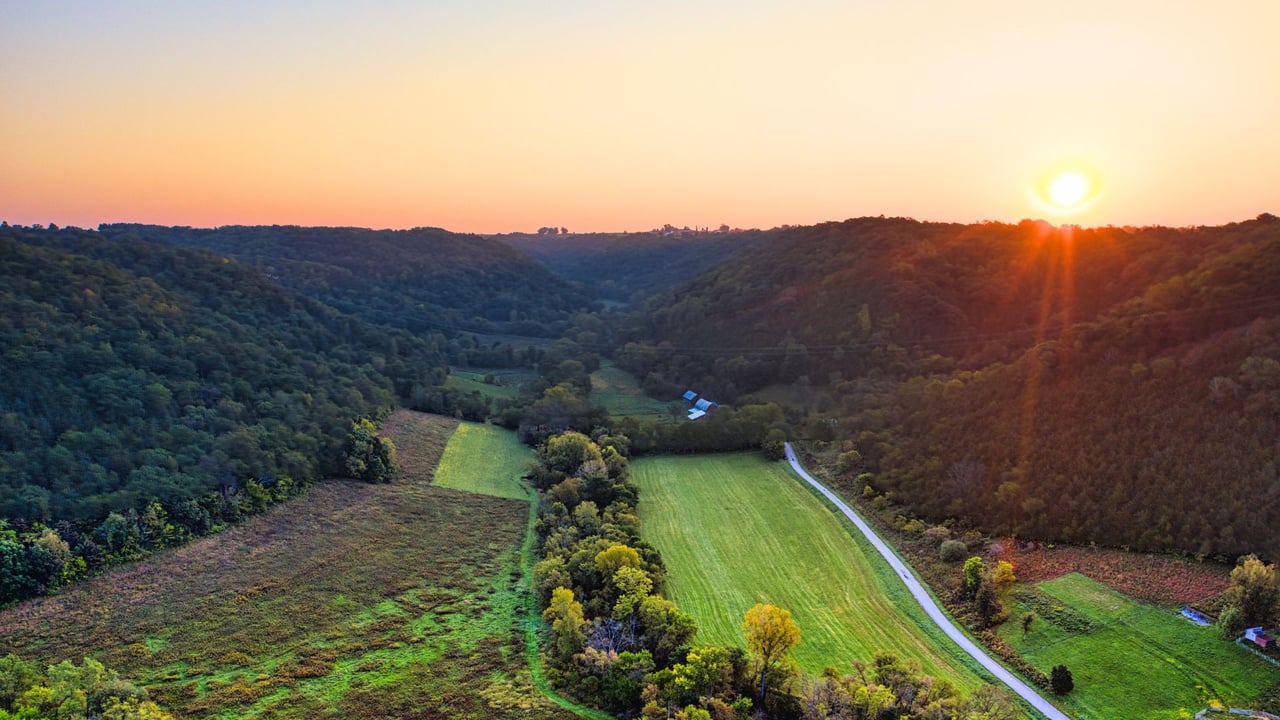
If you’re looking into rural area homes, you might be dreaming about wide open spaces 🌄, peace and quiet 🤫, and all the chickens you’re going to raise 🐓. But there’s a lot to think about when considering a move to the country. From wells and septic systems to land surveys and access roads, learn about what makes rural area homes unique.
🏡 What’s Different About Rural Area Homes?
Besides being outside the city, there are infrastructure, maintenance, and lifestyle considerations that make these properties different from urban and suburban ones.
🚰 Systems You’ll Be Responsible For
In the city, you don’t think about things like where your tap water comes from or where your wastewater goes. In the country, you have to manage these systems yourself:
💧 Water
Most rural area homes rely on well water rather than municipal water systems. You’ll need to understand things like well depth, water quality, flow rate, testing 🧪, pump condition, and backup plans if your well runs dry.
🚽 Sewage
Rural properties usually use septic systems instead of city sewer. You’ll need to know tank size, age, inspection history, and maintenance needs.
⚡ Utilities
You may still have electricity, but you might also rely on propane tanks 🔥, heating oil, or even generators for power outages—which are more common in rural areas.
🚗 Access Roads
Rural homes often have long, unpaved driveways. While this provides privacy 🌲, it can also mean dealing with mud, snow, or difficult access.
Before making an offer, ask:
- Is the road public or private?
- Who maintains it?
- What are conditions like year-round?
- Do you need a 4WD vehicle? 🚙
📍 Property Lines
Rural properties are often larger, so understanding boundaries is critical. A survey will show:
- Property lines
- Easements
- Access rights
- Restrictions
Fences don’t always mark true boundaries.
📜 Zoning and Land Use
Even rural areas have rules. Before buying, check:
- Zoning (residential, agricultural, mixed-use)
- Building restrictions
- Ability to add structures (barns, guest houses) 🏚️
- Livestock rules 🐄
- Business-use restrictions
💰 Hidden Costs of Rural Area Homes
💵 Higher Initial Costs
- Well & septic inspections: $500–$1,500
- Water testing
- Land survey: $500–$2,000+
- Specialized insurance
- Fuel/oil adjustments at closing
🔁 Ongoing Expenses
- Road maintenance & snow plowing ❄️
- Septic pumping (every 3–5 years)
- Well maintenance
- Propane or oil delivery
- Generator upkeep
- Firewood 🔥
🔍 Home Inspections for Rural Properties
In addition to a standard inspection, rural homes require extra checks:
- 💧 Well & water system (quality, flow, treatment)
- 🚽 Septic system (tank condition, compliance)
- 🏚️ Structural issues (foundation, roof)
- 🐜 Pest damage (more common in rural areas)
- 🏡 Outbuildings (barns, sheds, fences)
- 🌱 Environmental factors (soil, water, contamination)
🌎 Top States with Rural Homes for Sale
Some of the most popular states for rural living include:
- 🤠 Texas – large acreage, diverse landscapes
- 🌾 Oklahoma – very affordable land
- 🐎 Kentucky – scenic and equestrian-friendly
- ⛰️ Tennessee – mountains and farmland
- 🏔️ Montana – wide open wilderness
- 🌳 Arkansas – affordable with natural beauty
🏠 Buying a Rural Property
Whether you’re looking for space, privacy, or a lifestyle change, rural homes offer unique opportunities 🌅.
One major advantage:
- 🇺🇸 USDA loans (no down payment, competitive rates—if you qualify)
Just make sure to plan ahead, understand the responsibilities, and work with the right professionals 🤝.