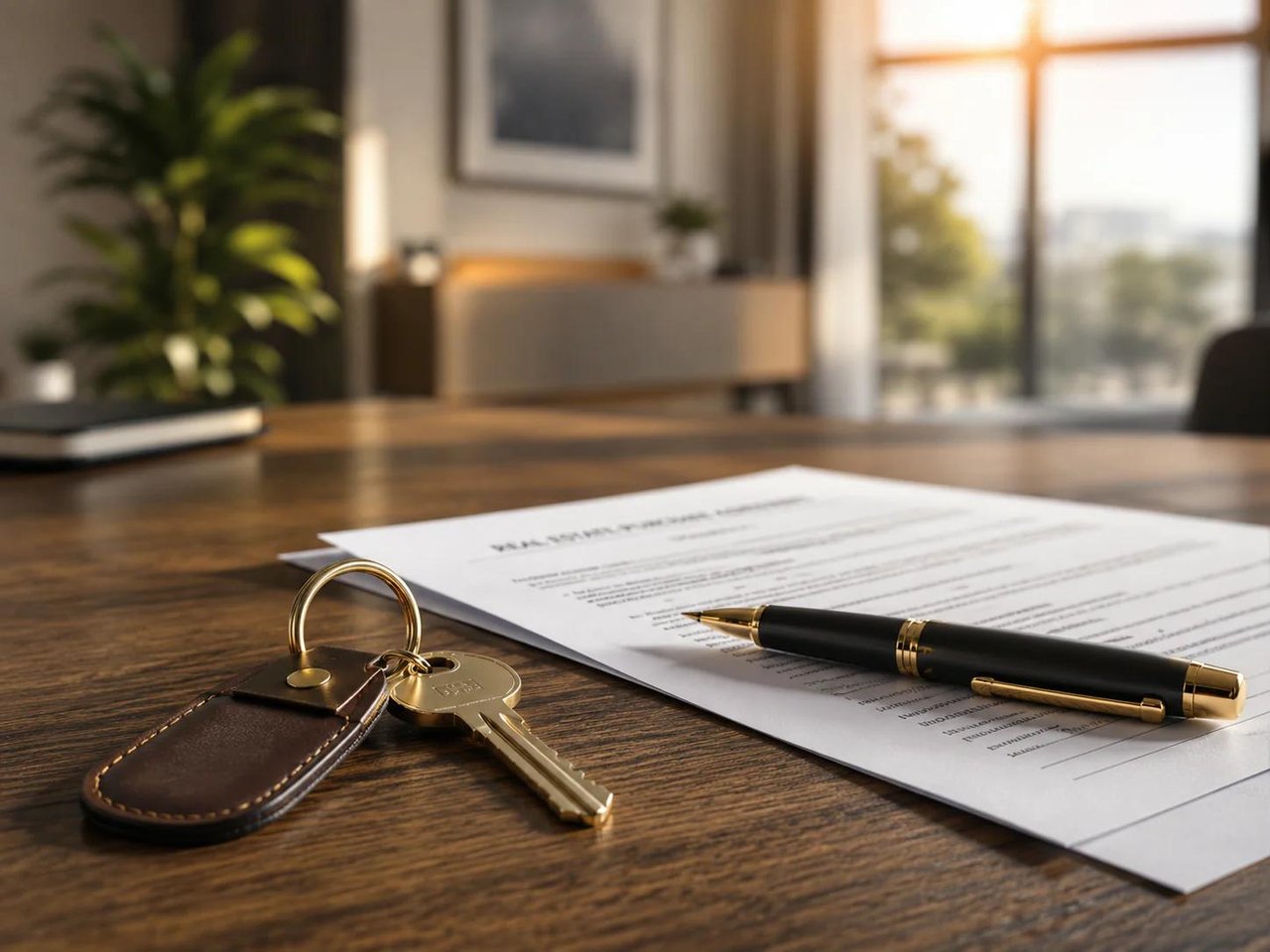
You've accepted an offer on your home, and closing day is finally in sight. But before you celebrate, there are a few important steps that can make the difference between a smooth closing and an unexpected delay. From completing repairs to reviewing paperwork, a little preparation now can help you avoid last-minute surprises and confidently move on to your next chapter.
Selling a home involves more than finding the right buyer and agreeing on a price. Even after your property goes under contract, there are still inspections, paperwork, financial details, and moving arrangements to coordinate.
Whether you're selling a beachfront condo in Orange Beach, a family home in Foley, or a property in the Pensacola area, knowing what to expect before closing day can make the entire process feel much more manageable.
Here are six important steps to help keep your home sale on track.
1. Complete Any Agreed-Upon Repairs
Once the buyer's home inspection is complete, there may be repairs or improvements that you've agreed to address before closing.
These could be relatively minor fixes, such as replacing a damaged fixture or repairing a leaking faucet, or more significant issues involving plumbing, electrical systems, or the roof.
Whatever the agreement includes, it's important to make sure the work is completed within the required timeframe.
Keep these tips in mind:
- Review your purchase agreement to confirm which repairs are your responsibility.
- Schedule contractors early to avoid last-minute delays.
- Keep receipts, invoices, and documentation of completed work.
- Communicate with your real estate agent once the repairs are finished.
Along the Gulf Coast, repairs involving roofing, moisture intrusion, or storm-related damage may require additional attention. Addressing these concerns early can help prevent complications before closing.
The goal is simple: make sure the property meets the conditions outlined in your agreement before the buyer completes their final walk-through.
2. Gather Your Important Documents
Paperwork might not be the most exciting part of selling a home, but having everything organized can save you a considerable amount of time and frustration.
As closing day approaches, your title company, closing attorney, or real estate agent may request documents to finalize the transaction.
Some important items to have available include:
- Mortgage payoff information: Your lender can provide the amount needed to pay off your remaining mortgage balance.
- Property ownership documents: Keep your deed or other ownership records available in case they're requested.
- Warranties and service records: Gather any warranties, maintenance records, or instruction manuals for appliances and major home systems included in the sale.
If you've recently replaced your roof, installed a new HVAC system, or completed major improvements, having documentation available can also be helpful.
It's better to organize these records ahead of time rather than scramble to find them a day or two before closing.
3. Address Any Title Issues Early
Before ownership can officially transfer to the buyer, the closing company will typically conduct a title search to check for issues that could interfere with the sale.
This process reviews ownership records and looks for potential problems, such as outstanding liens, unresolved claims, or other title defects.
While many transactions move through this stage without complications, discovering an issue late in the process can create unnecessary delays.
If a concern comes up, work with your title company or closing attorney to resolve it as quickly as possible.
For example, an old mortgage that was paid off but never properly released in public records may need additional documentation before the sale can proceed.
Taking care of these details early helps ensure the property is ready to transfer to its new owner.
4. Keep Your Home in Good Condition Until Closing
Once your home goes under contract, it's tempting to relax and consider the selling process finished.
However, the property still needs to be maintained until closing.
Depending on the terms of the transaction, the buyer's lender may require an appraisal, and the buyer will generally have an opportunity to conduct a final walk-through.
During that walk-through, the buyer may check that the property's condition hasn't changed and that any agreed-upon repairs have been completed.
To avoid unnecessary complications:
- Keep the home clean and reasonably maintained.
- Address any new problems that arise before closing.
- Leave all appliances and fixtures included in the purchase agreement.
- Avoid removing or changing items that were part of the sale without an agreement.
If a problem develops after the inspection, such as a plumbing leak or damage during the moving process, contact your real estate agent promptly.
A little extra care during these final weeks can help protect the transaction you've worked hard to secure.
5. Coordinate Utilities and Your Move-Out Date
Moving out requires careful timing, especially when your closing date is approaching.
You'll want to make sure your belongings are removed, the property is clean, and utilities remain available for any final inspections or walk-throughs.
One common mistake is scheduling utilities to be disconnected too early.
Without electricity or water, the buyer may be unable to verify that certain systems and appliances are functioning properly.
Instead, coordinate utility transfers or disconnections around the closing date and the possession terms outlined in your agreement. In many transactions, keeping services active through closing or until the following day can help prevent interruptions.
It's also a good idea to confirm when the buyer will officially take possession of the property.
Some practical steps include scheduling movers in advance, removing personal belongings, cleaning the property, and making arrangements to transfer keys, garage door openers, and access codes.
Having a move-out plan gives you one less thing to worry about when closing day arrives.
6. Carefully Review Your Closing Statement
Before the transaction is finalized, you'll receive paperwork outlining the financial details of your home sale.
This includes the sale price, mortgage payoff, applicable closing costs, fees, credits, and the amount of money you're expected to receive.
Even if you've already discussed these numbers with your agent, it's important to review everything carefully.
Pay special attention to:
- The final agreed-upon purchase price
- Your outstanding mortgage payoff
- Real estate commissions and applicable closing fees
- Property tax prorations and other adjustments
- Any seller concessions or credits
- Your estimated net proceeds from the sale
If something doesn't look right, ask your closing professional or real estate agent for clarification before signing.
Understanding where your money is going helps prevent confusion and allows you to approach the closing table with confidence.
What Happens on Closing Day?
Once all the necessary requirements have been satisfied, it's time to finalize the sale.
During closing, the required documents are signed, the financial details are settled, and ownership is transferred according to the terms of the transaction.
Depending on where the property is located and how the transaction is structured, sellers may complete their paperwork at a title company, attorney's office, or through an approved remote or advance signing arrangement.
Once the closing requirements are met and funds are properly disbursed, your home sale is complete.
It's an exciting milestone, especially after weeks or months of preparing, marketing, negotiating, and coordinating the transaction.
A Successful Closing Starts With Good Preparation
The period between accepting an offer and handing over the keys can feel overwhelming, but it doesn't have to be.
Most closing complications are easier to address when they're identified early. Completing repairs, organizing paperwork, communicating with your agent, and staying on top of important deadlines can all help prevent unnecessary setbacks.
Every real estate transaction is a little different, and having an experienced professional guiding you through the final stages can make a meaningful difference.
The key is to stay organized, communicate openly, and remember that you're almost at the finish line.
Thinking About Selling Your Gulf Coast Home?
Whether you're preparing to sell in Gulf Shores, Orange Beach, Foley, Fairhope, Pensacola, Perdido Key, or one of our surrounding communities, the CoateConnection Team is here to help make the process easier.
From preparing your property for the market to navigating inspections, negotiations, and closing, we'll be there to guide you through every step.
Contact the CoateConnection Team today and let's make your next home sale a successful one!