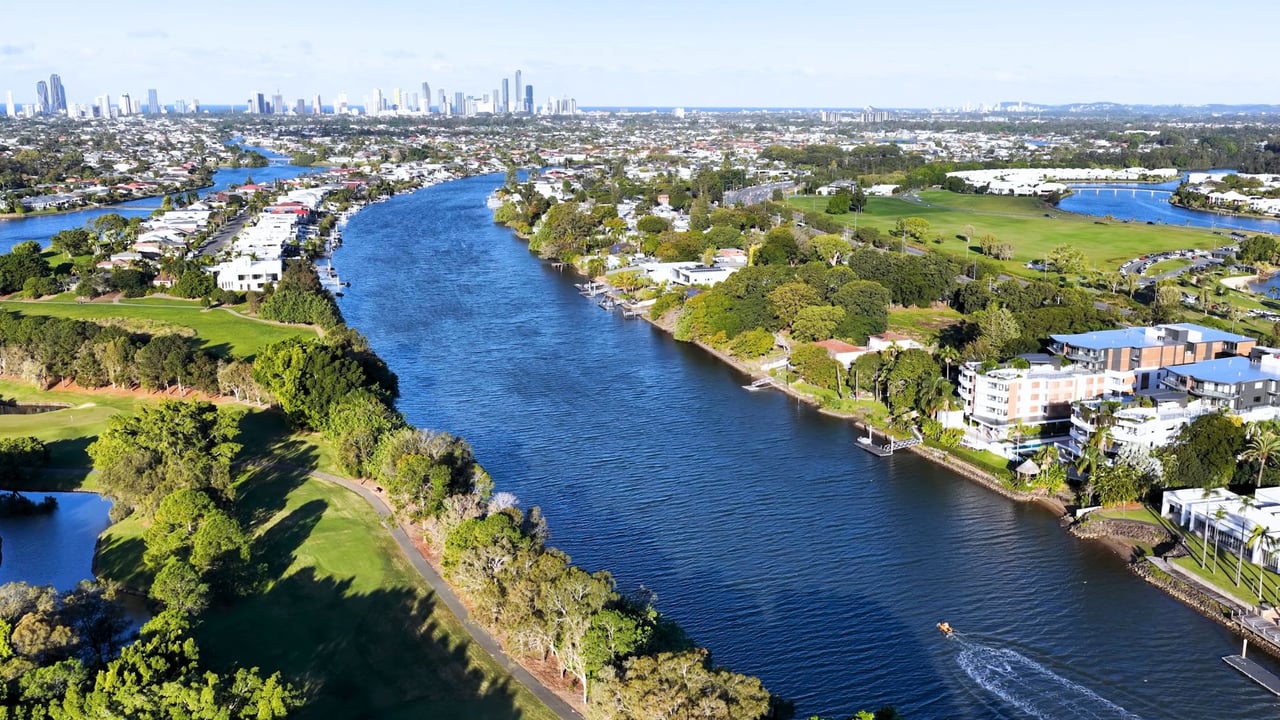
Living near the water is one of the biggest draws of the Gulf Coast. But when it comes time to sell, being located in a flood zone can bring a few extra questions into the conversation.
The good news? A flood-zone designation does not mean your home can’t sell. Homes in flood zones are bought and sold every day. What matters is being prepared, understanding what buyers may ask, and having the right information ready before your home hits the market.
Here are a few things sellers should know.
Start With Your Current Flood Zone
Before listing your home, find out exactly where the property currently falls on FEMA's flood maps.
Flood maps can change as FEMA updates studies and mapping information, so the flood-zone designation you remember from when you purchased the home may not necessarily be the current one.
It is also important to understand that being inside a mapped flood zone does not mean a home will flood. Likewise, being outside a high-risk flood zone does not mean flooding is impossible.
Knowing the property's current designation gives you and your real estate agent a much better starting point when buyers begin asking questions.
Be Ready for Flood Insurance Questions
For many buyers, the bigger concern isn't necessarily the flood-zone designation itself. It's what that designation could mean for their monthly cost of owning the home.
Depending on the property's flood zone and the type of financing being used, a lender may require the buyer to carry flood insurance. That additional insurance expense can become part of the buyer's affordability calculation.
If you currently have flood insurance, keeping information about your existing policy handy can be helpful. Just remember that your premium isn't necessarily what the next owner will pay. Buyers should obtain their own insurance quote based on their specific circumstances and coverage.
Getting those questions answered earlier in the process can help prevent an unexpected insurance issue from appearing days before closing.
Don't Hide the Home's Flood History
If the property has experienced flooding in the past, transparency matters.
Disclosure requirements vary depending on the state and local area, but sellers may have responsibilities involving known flooding, previous flood damage, drainage problems, insurance claims, and other property conditions.
Rather than simply telling a buyer that something was repaired, gather whatever documentation you still have.
That might include contractor invoices, insurance records, permits, photographs, remediation reports, inspection paperwork, or documentation showing improvements that were made afterward.
A documented problem that was properly addressed is often easier for a buyer to understand than a vague answer with no paperwork behind it.
Document Improvements You've Made
Some properties have improvements specifically designed to reduce the potential impact of flooding or improve drainage.
Depending on the home, those could include elevated construction, flood vents, drainage improvements, grading work, backflow prevention systems, relocated utilities, or other mitigation measures.
If you've invested in this type of work, keep the documentation.
Elevation Certificates, engineering documents, permits, invoices, and FEMA Letters of Map Amendment or Revision can all provide buyers with additional context about the property.
The goal isn't to claim that the property has no flood risk. It's simply to give buyers an accurate picture of what has been done.
Price the Home Against the Right Properties
One of the biggest mistakes a seller can make is assuming that simply being in a flood zone means the home automatically needs a major price reduction.
There isn't a universal "flood-zone discount."
The impact can depend on the home's location, insurance costs, flood history, improvements, condition, buyer demand, and many other factors.
That's why comparable sales matter so much.
Ideally, your agent should look for homes that aren't just similar in square footage, condition, and neighborhood, but also have comparable flood-risk characteristics.
Comparing a waterfront property in a higher-risk flood zone to a completely different home miles inland may not tell you much about what buyers are actually willing to pay.
Market the Home's Strengths Without Avoiding the Flood Zone
A home can be located in a flood zone and still have plenty of features buyers want.
Maybe it's the water view. Maybe it's boating access, a great neighborhood, recent renovations, outdoor living space, proximity to the beach, or simply a floor plan that's difficult to find.
Those are the things your marketing should highlight.
At the same time, avoid making promises such as "flood-proof" or "no flood risk." Flood maps measure risk, and flooding can occur outside FEMA's highest-risk areas as well.
Clear information early in the process is generally much easier to manage than having a buyer discover something unexpected once they're already under contract.
Preparation Makes the Difference
Selling a home in a flood zone doesn't have to be intimidating.
The strongest approach is usually straightforward: know the property's current flood designation, organize your records, understand the home's history, and be prepared for insurance questions.
Especially along the Gulf Coast, buyers may have questions about flood zones and insurance before they're ready to make an offer. Being able to answer those questions—or point them toward the right professional—can make the entire process feel much less uncertain.
And when it comes to pricing, marketing, and positioning the property, working with an agent who understands the local coastal market can make a significant difference.
Thinking about selling your Gulf Coast home? The CoateConnection Team can help you understand how your property's location, condition, flood-zone information, and current market activity may affect your selling strategy.
Source: Adapted from “How to Sell a House in a Flood Zone,” published by RE/MAX on August 28, 2026.