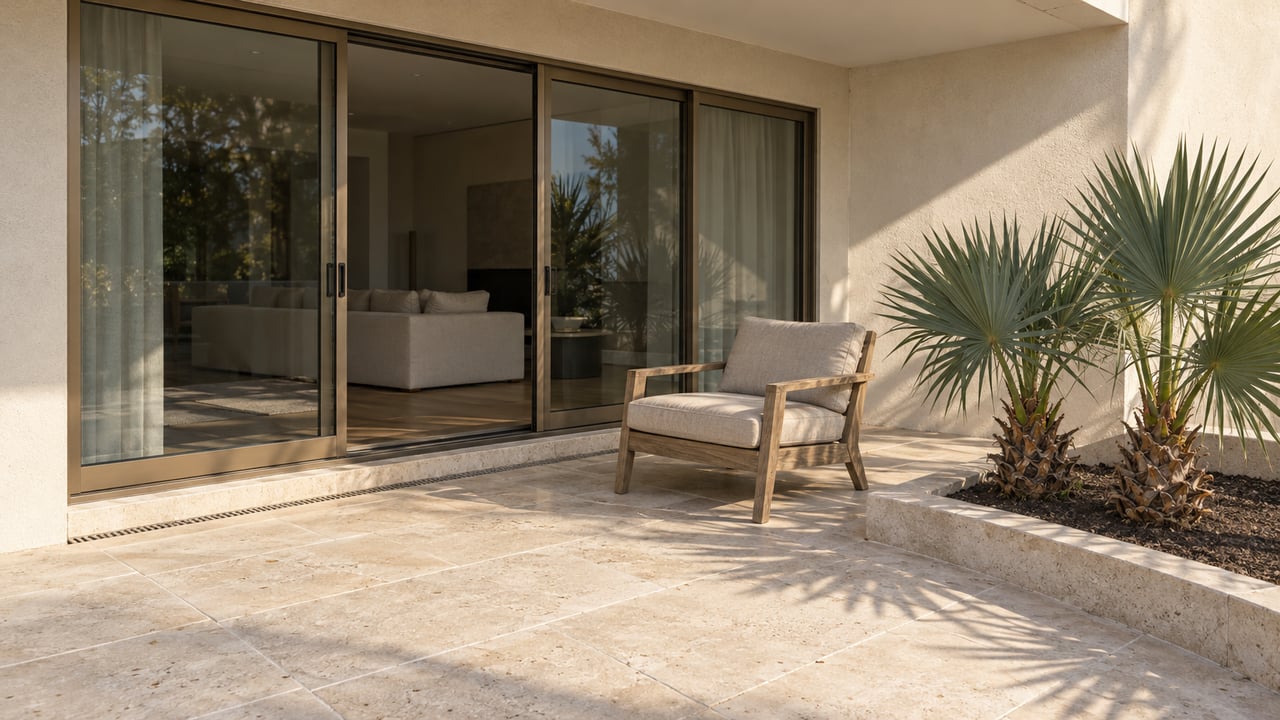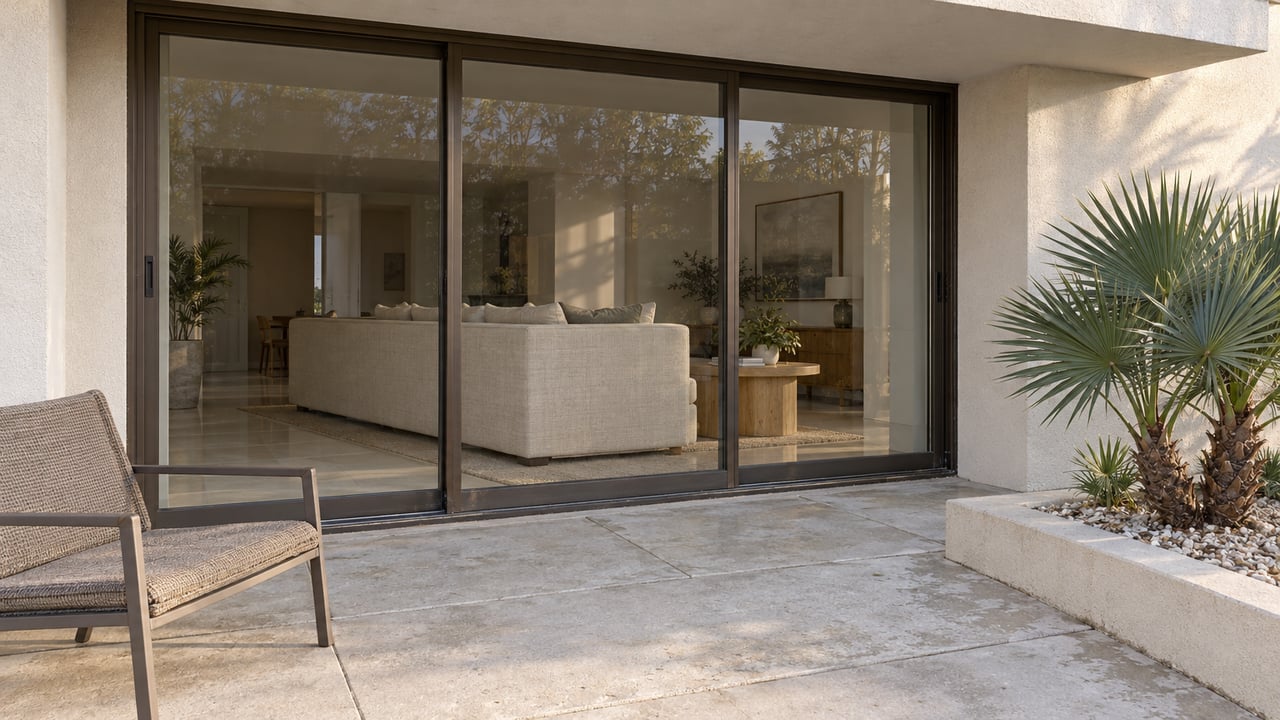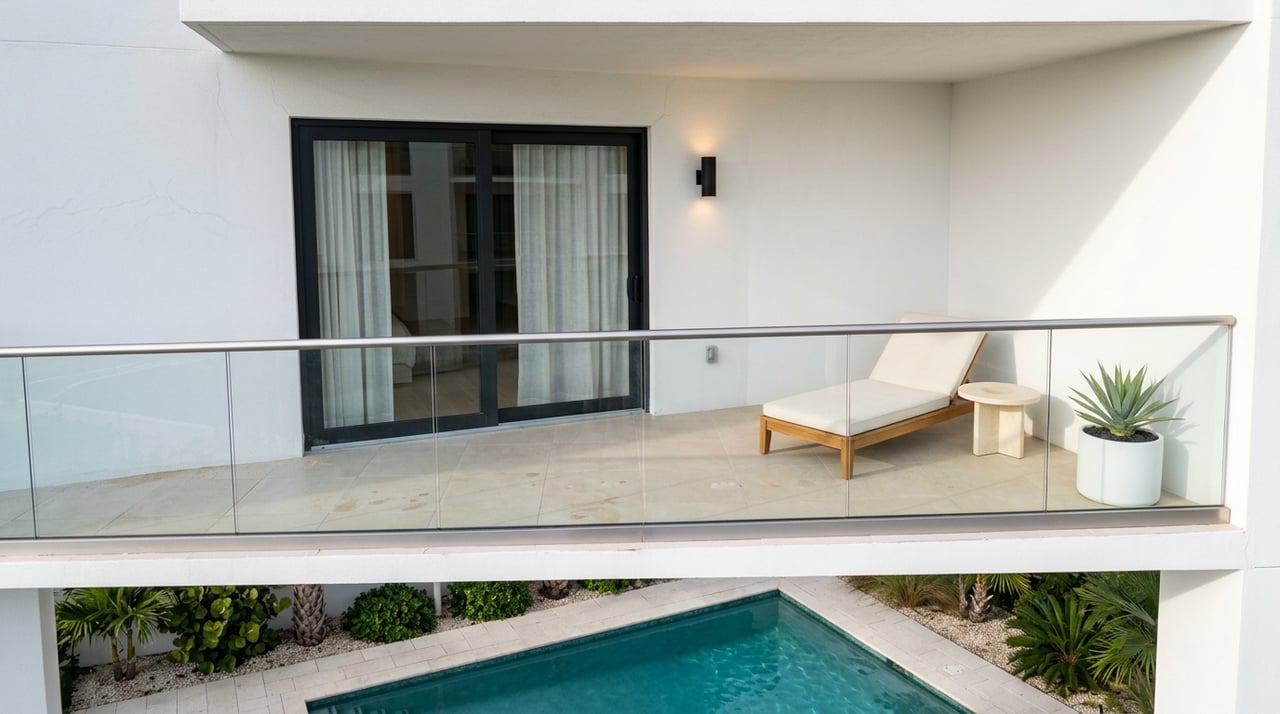
Dreaming of waking up to Gulf waves 12 months a year? If Perdido Key is on your radar, you’re not alone. The island’s quiet winters, white‑sand beaches, and laid‑back vibe draw people who want coastal life without big‑city noise. In this guide, you’ll learn what year‑round life really feels like, from weather and seasons to housing, insurance, internet, and everyday logistics. Let’s dive in.
Where you’ll live on the map
Perdido Key is a slender, roughly 16‑mile barrier island on Florida’s western panhandle, tucked between Pensacola to the east and Orange Beach to the west. About three‑fifths of the Key is protected parkland, which helps keep stretches of beach uncrowded and natural. The community is unincorporated and governed as part of Escambia County.
Weather and seasons you can expect
Pensacola’s long‑term climate data shows a mean annual temperature near 69.4°F, with summer highs in the low 90s and winter lows generally in the mid‑40s to mid‑50s. You’ll feel most of the rain in summer. If you want the full picture, review the area’s 1991–2020 climate normals.
Here’s the rhythm of the year:
- Summer is the busy season, especially on weekends.
- Spring and fall bring milder weather and lighter crowds.
- Winter is mild and calm, a favorite for year‑round residents who enjoy a slower pace.
Beaches and protected nature
Much of the island’s shoreline is preserved, which shapes daily life.
- Explore boardwalks and dunes at Perdido Key State Park. You’ll find picnic spots and long, open beaches that feel relaxed outside peak summer.
- On the east end, the Johnson Beach area of Gulf Islands National Seashore offers trails and wide beaches. See current access updates from the National Park Service for Johnson Beach.
- Conservation is part of life here. The island is home to sensitive species like the federally listed Perdido Key beach mouse, and dune protection rules influence development and vegetation management.
Boating and waterfront life
Perdido Key sits along the Intracoastal Waterway with quick access to Gulf and bay fishing. The local boating culture includes small‑boat fishing, pleasure cruising, and dock‑and‑dine spots. The Orange Beach–Pensacola corridor is a well‑known cruising ground, highlighted in regional marina guides.
For live music and a classic local hangout, the Flora‑Bama at the state line remains a social anchor. Check hours and event calendars directly with Flora‑Bama.
Getting around and daily errands
You’ll use State Road 292 (Perdido Key Drive) for most trips. Expect roughly 25 to 40 minutes to downtown Pensacola, depending on where you start and traffic, and about 10 to 20 minutes to Orange Beach. Daily life is car‑forward, and public transit is limited. Everyday services and cafés dot the Key, while larger grocery and retail options sit a short drive on the mainland.
Recent improvements, including a multi‑use path along parts of the Key, make short bike and walk trips easier. Learn more about the project from the engineering team behind the multi‑use path.
Homes and what they cost
Housing on the Key leans coastal:
- Gulf‑front condos with quick beach access
- Low‑rise condo communities and townhomes
- Bayside and canal‑front single‑family homes, often with docks
Recent market snapshots have shown median sale prices around the mid‑$500Ks. Coastal markets move quickly month to month, so it is smart to request an updated pricing brief before you shop. Many condos carry HOA fees, and insurance is a key line item for any barrier‑island property.
Insurance, flood, and storm readiness
Atlantic hurricane season runs June 1 through November 30. As a barrier island, Perdido Key is exposed to storm surge and wind. Escambia County urges residents to “Know Your Zone” and to prepare each year. Review county guidance and evacuation information at the Escambia County Storm Center.
Many properties sit in FEMA‑mapped flood zones, so lenders may require flood insurance. Even when not required, coverage can be a smart choice. The county provides helpful resources on zones, risk, and insurance at its local flood information page.
Beach renourishment and dune restoration projects occur periodically, which can affect beach width and shoreline protection over time. If you care about this for a specific address, ask for current project status before you buy.
Internet, utilities, healthcare, and schools
- Internet and utilities: Major providers serve the Pensacola metro, including cable and, in some areas, fiber. Availability is address‑specific, so verify service options for the exact property.
- Healthcare: Full‑service hospitals and specialty care are on the Pensacola mainland. The region’s major system, Ascension Sacred Heart, outlines services and locations in this hospital overview.
- Schools: Public K–12 is through Escambia County Public Schools. Assignments depend on your home address, and most students on the Key attend mainland campuses. Always confirm zoning with the district’s address‑lookup tool before you decide.
Short‑term rentals and taxes
Short‑term rental demand exists, but you need to follow the rules. In Florida, that typically includes state sales tax registration, a county tourist development tax account, and a local business tax receipt. Condo and HOA communities often set their own rental minimums and procedures. Budget for licensing, insurance, property care, and the reality that demand is seasonal.
Who loves year‑round life here
- You want quiet winters, easy beach access, and small‑town coastal pace.
- You plan to boat or fish regularly and value quick access to the Intracoastal and Gulf.
- You work remotely and want sunshine, but you are comfortable verifying internet at a specific address.
- You appreciate protected nature, boardwalks, and long walks on uncrowded beaches.
Quick checklist before you buy
- Visit during summer, fall, and winter to feel the seasonal shift.
- Confirm flood zone and get insurance quotes early.
- Review HOA documents and rental rules line by line.
- Verify internet speeds and provider options for the property address.
- Test your commute to Pensacola or Orange Beach at different times of day.
- Ask about recent or upcoming dune and beach projects near your address.
- Budget for HOA fees, maintenance, and storm supplies each year.
Ready to explore homes on Perdido Key?
If year‑round island life sounds right for you, let’s talk about neighborhoods, condo communities, and the tradeoffs that matter for your lifestyle. We combine deep coastal expertise with smart pricing and full‑service support. Start your plan with CoateConnection.
FAQs
What is winter like for full‑time residents in Perdido Key?
- Winters are generally mild and quiet, with average lows from the mid‑40s to mid‑50s and a slower pace that many year‑round residents prefer.
How risky is hurricane season on the island?
- Hurricane season runs June 1 to November 30. As a barrier island, the Key is exposed to surge and wind, so you should review evacuation plans and prepare each year using Escambia County resources.
How far are full‑service hospitals from Perdido Key?
- Most hospital care is on the Pensacola mainland, typically a 20 to 40 minute drive depending on traffic and where you start on the Key.
Can I work remotely from Perdido Key?
- Yes, many residents do, but internet options vary by address. Confirm provider availability and speeds for the exact property before you commit.
What housing options and prices should I expect?
- You’ll see gulf‑front condos, low‑rise communities, and bayside single‑family homes. Recent snapshots show median prices in the mid‑$500Ks, but you should check fresh data before shopping.
What should I know about short‑term renting my property?
- You’ll need to comply with state sales tax, county tourist tax, and local business tax rules, and your HOA may set rental minimums. Budget for seasonality, licensing, and insurance.