If you picture walkable living in Gulf Shores as a big-city grid where everything is a few blocks away, you may be disappointed. But if you want a coastal lifestyle where you can walk to the beach, enjoy nearby social spots, and use trails and paths for daily movement, Gulf Shores offers some strong pockets. Knowing where those pockets are can help you focus your home search and choose a location that fits how you want to live. Let’s dive in.
Walkability In Gulf Shores Is Pocket-Based
Gulf Shores covers 28.36 square miles and had an estimated population of 17,394 in July 2025, so walkability here is not citywide. Instead, it shows up in compact areas where homes sit closer to beach access, mixed-use destinations, and trail connections.
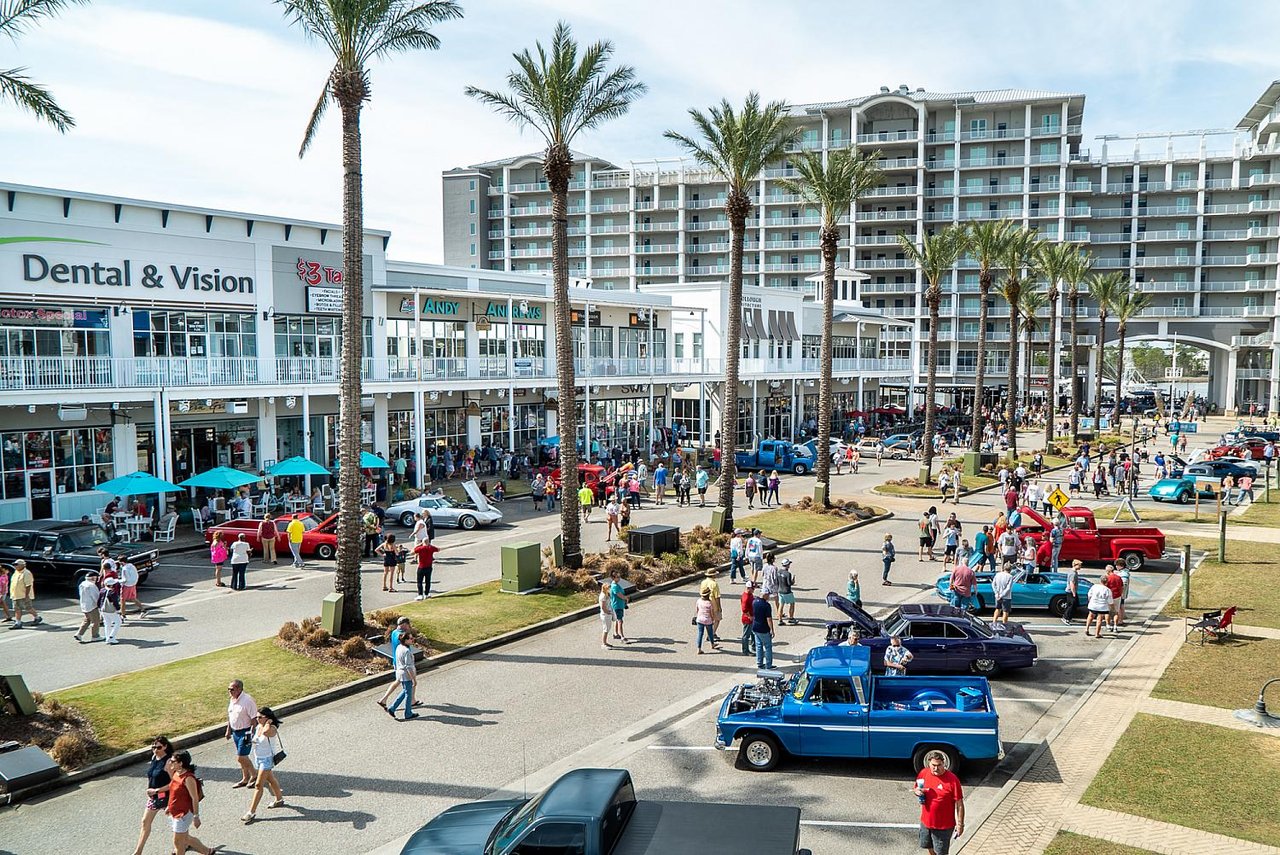
The city’s land-use plan points to walkability in activity centers, especially Gulf Place and Waterway Village. That same plan also notes seasonal traffic challenges along Highway 59 and supports more pedestrian and bicycle connections to reduce car dependence.
For you as a buyer, that means the question is not whether all of Gulf Shores is walkable. The better question is which part of Gulf Shores lets you do more of your daily routine on foot.
Gulf Place Offers The Clearest Beach Walkability
If your version of walkable living starts with easy beach access, Gulf Place is the strongest example in Gulf Shores. The city identifies Gulf Place as the main public beach area, and this part of town is built around a more convenient, pedestrian-friendly beach experience.
Gulf Shores lists multiple public beach access points, including Gulf Place West and East Beach, West 4th, West 5th, West 6th, West 10th, West 12th, West 13th, and Lagoon Pass. That concentration matters because it gives nearby homeowners more than one way to reach the sand without needing to drive.
Gulf Place itself includes practical features that support frequent use, not just occasional visits. The city lists restrooms, rinse showers, open-air pavilions, lifeguards in season from March through October, a grassy Town Green, and beach access mats.
That setup changes how daily life can feel. Instead of planning every beach trip around traffic and parking, you may be able to step out for a short walk, spend an hour by the water, and head home with much less hassle.
Beach Parking Matters More Than You Think
Parking is part of walkability, especially near the beach. Gulf Shores uses paid beach parking from March 1 through November 30, while residents and property owners with a valid hurricane re-entry and beach parking decal can park free at paid public beach lots. East Gulf Place is resident-only.
This is one of those details that can shape your day-to-day routine. If you buy close enough to walk to the beach, you can avoid parking logistics altogether, which becomes especially valuable during busy seasons.
Water Quality Adds Everyday Confidence
For many buyers, walkable living near the coast is not just about distance. It is also about whether beach use feels practical as part of normal life.
The city routinely monitors water quality at Gulf Shores Public Beach, Gulf State Park Pavilion Beach, and Little Lagoon Pass. If beach walks, quick swims, or sunset visits are part of what you want from living here, that ongoing monitoring adds another layer of confidence.
Waterway Village Supports Everyday Stops
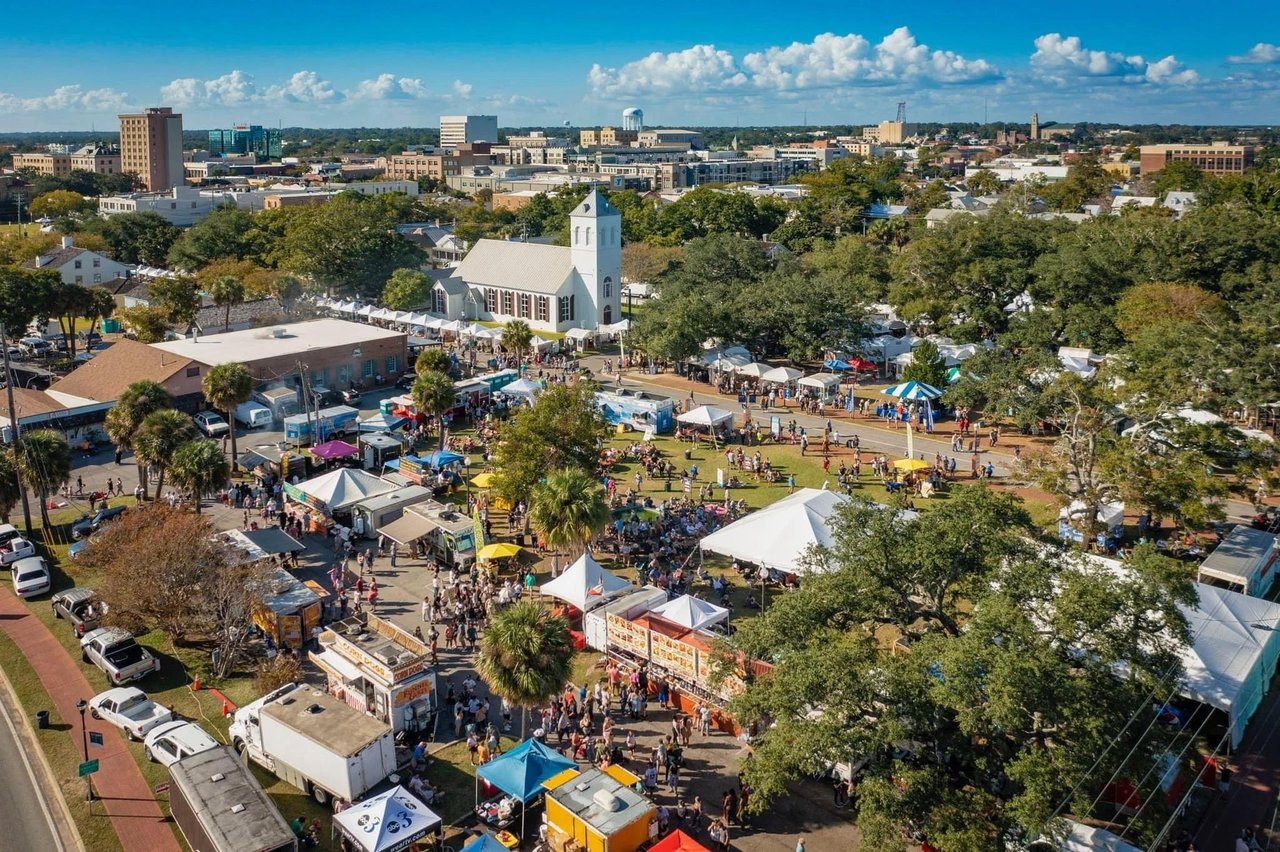
If you care more about being able to walk to coffee, a casual meal, or a social stop, Waterway Village deserves a close look. The city’s planning documents describe it as a compact, walkable, mixed-use downtown district along the Intracoastal Waterway.
This is important because walkability in Gulf Shores is not just about the beach. In Waterway Village, the appeal comes from a more connected daily pattern where local businesses, public spaces, and pedestrian improvements are grouped together.
The city is actively investing in that vision. Recent updates show the Waterway Village Pedestrian Bridge is being built to connect the north and south sides of the district, while pedestrian plazas are designed to add sidewalks, seating, restrooms, and better access to businesses.
What Daily Errands Can Look Like Here
Waterway Village is not a dense downtown where every need is covered within a few blocks. But it does offer examples of the kind of stop-and-go routine many buyers want.
Foam Coffee identifies itself as a craft coffee shop in Gulf Shores. Isla Wine describes itself as a neighborhood bottle shop beside Foam Coffee in Waterway Village, and Tacky Jacks is listed in the district as well.
That mix shows how the area brings together food, drink, and casual gathering spots in one cluster. If you want to walk out for coffee in the morning or a relaxed evening stop without getting in the car every time, this district may fit your lifestyle better than other parts of the city.
Trails And Parks Expand Walkable Living
In Gulf Shores, walkability often blends everyday convenience with recreation. That is why trails, sidewalks, and multi-use paths matter so much when you compare one area to another.
The city’s bicycle and pedestrian maps highlight multi-use pathways, sidewalks, and bike lanes across Gulf Shores. For many residents, these networks make walking and biking feel more realistic even when retail and services are not packed closely together.
Nearby Gulf State Park adds a major piece of the picture. The park includes more than 28 miles of paved trails described as ADA-accessible, with trailheads around the park perimeter and paved trails or boardwalks through multiple ecosystems.
That gives you options for morning walks, bike rides, or outdoor time without needing to leave the area. If your idea of walkable living includes regular access to nature, this is a major advantage.
Smaller Spots That Add To Daily Mobility
Several smaller parks and access points also support a more walkable lifestyle. Wade Ward Nature Park sits two blocks north of Gulf Place, which makes it an easy add-on for nearby residents.
Wetlands Park at the Sportsplex, Little Lagoon Pass Park, and Mo’s Landing all contribute to the city’s walking and biking options. Mo’s Landing is 1.8 miles west of Highway 59 and anchors a 5.3-mile paved bike and walking trail.
These spots may not replace the car for every errand, but they can improve your daily routine in a meaningful way. In a coastal city like Gulf Shores, that kind of recreational access is a big part of what walkable living actually looks like.
How To Compare Walkable Areas
If walkability is high on your list, it helps to compare neighborhoods using a few simple criteria. In Gulf Shores, those factors are often more useful than a general citywide label.
Look closely at:
- Distance to public beach access
- Access to sidewalks, bike lanes, or multi-use trails
- Proximity to compact mixed-use areas like Gulf Place or Waterway Village
- Seasonal traffic patterns, especially near Highway 59
- Parking rules that may affect beach access and convenience
These details can tell you more about your likely day-to-day experience than a map alone. Two homes may both have a Gulf Shores address, but one may support a much more walkable lifestyle than the other.
What Walkable Living Really Means Here
In Gulf Shores, walkable living usually does not mean living car-free. It more often means reducing how often you need your car for beach time, recreation, or casual stops during the day.
That is why the best-fit home depends on your priorities. If you want easy access to the sand and public beach amenities, Gulf Place stands out. If you want a more downtown-style setting with local businesses and pedestrian improvements, Waterway Village may be the better match.
For many buyers, the right answer is a home that balances both. You may want beach access close by, but also value trails, parks, and social spots that make everyday life feel more connected and convenient.
When you understand that Gulf Shores walkability is strongest in specific pockets, you can search with more clarity and avoid paying for a lifestyle a location may not actually deliver. If you want help comparing walkable areas in Gulf Shores and finding the right fit for your goals, CoateConnection is here to help.
FAQs
What does walkable living in Gulf Shores usually mean?
- In Gulf Shores, walkable living usually means being near beach access, trails, parks, or compact mixed-use areas like Gulf Place or Waterway Village rather than being able to do every errand on foot citywide.
Which area of Gulf Shores is most walkable for beach access?
- Gulf Place is the clearest example of beach-centered walkability because it is the city’s main public beach area and includes nearby access points, beach amenities, and a setting that can reduce the need to drive.
Which part of Gulf Shores is best for walking to coffee or casual dining?
- Waterway Village is the strongest fit for that kind of routine because the city describes it as a compact, walkable, mixed-use district with ongoing pedestrian improvements and a cluster of local businesses.
Can you live in Gulf Shores without relying heavily on a car?
- In select pockets, yes, but only to a degree. The city’s planning documents suggest that daily walkability is strongest around Gulf Place and Waterway Village, while many trips in the broader city still require a car.
What should buyers compare when looking for a walkable home in Gulf Shores?
- Focus on proximity to beach access, sidewalks or trail networks, nearby mixed-use destinations, and practical issues like seasonal traffic and beach parking rules.