Buying your first home is one of life's biggest milestones. It's exciting, emotional, and sometimes overwhelming. Most first-time buyers begin the search with a long wish list: a large kitchen, plenty of space, a great neighborhood, a home office, and maybe even a backyard for entertaining.
Then reality sets in.
Unless your budget is unlimited, chances are you'll need to make a few compromises. The good news? That's completely normal. In fact, many homeowners look back on their first purchase and realize those compromises helped them become homeowners sooner and build equity for the future.
Focus on What Really Matters
The biggest mistake first-time buyers make is assuming their first home has to be their forever home.
Instead, think of it as your stepping stone. Your first home should meet your needs today while giving you the opportunity to build wealth and move into your next home down the road.
The goal isn't perfection—it's making a smart financial decision.
Compromise on Cosmetics, Not Structure
One of the easiest things to overlook is outdated style.
Old paint colors, worn carpet, dated cabinets, and older light fixtures might not photograph well, but they're often inexpensive upgrades that can be completed over time.
What deserves much closer attention are the expensive systems that keep the home running, including:
- The roof
- HVAC system
- Plumbing
- Electrical system
- Foundation
- Water heater
Cosmetic projects can usually wait. Major repairs often can't.
Square Footage Isn't Everything
It's easy to fall into the trap of comparing numbers.
A larger home sounds appealing, but more square footage also means higher purchase prices, increased utility bills, additional maintenance, and more cleaning.
Many buyers discover that a well-designed floor plan feels much larger than the actual square footage suggests. A home that uses its space efficiently can often live better than a larger house with an awkward layout.
Think Carefully About Outdoor Space
A large backyard is a dream for many buyers, but it also comes with ongoing responsibilities.
Lawn care, landscaping, irrigation, and general upkeep all require time and money.
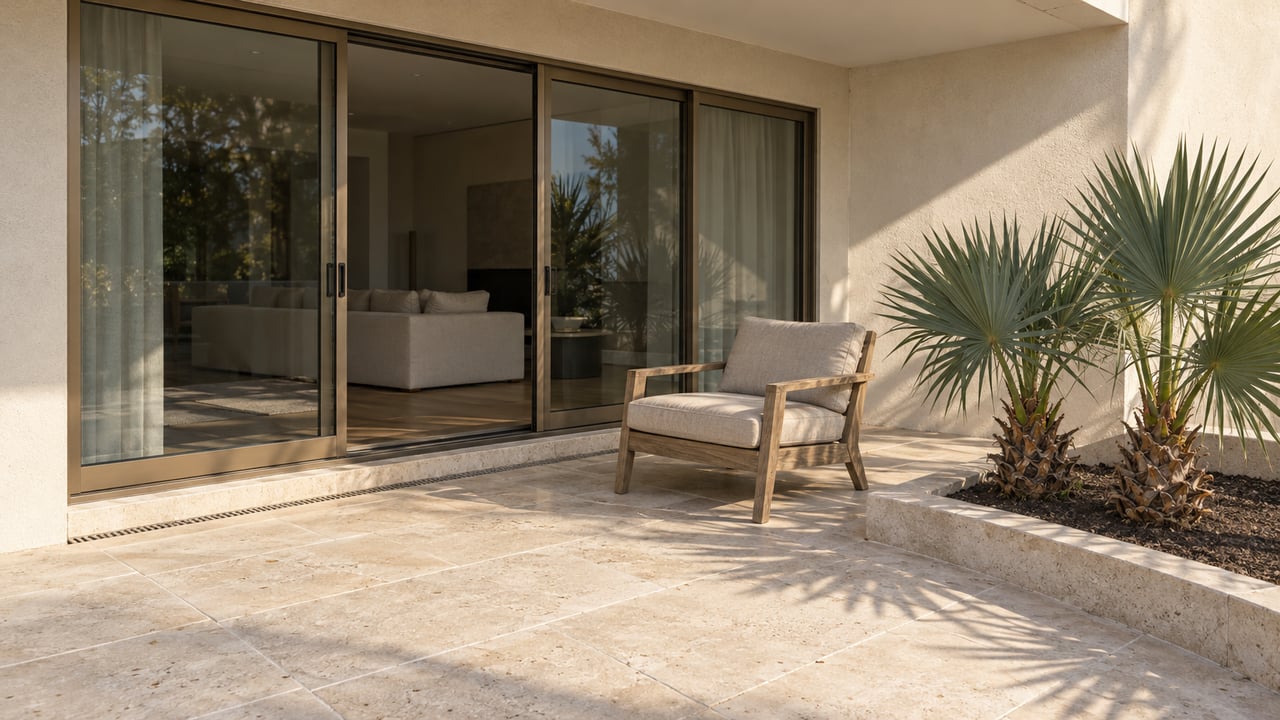
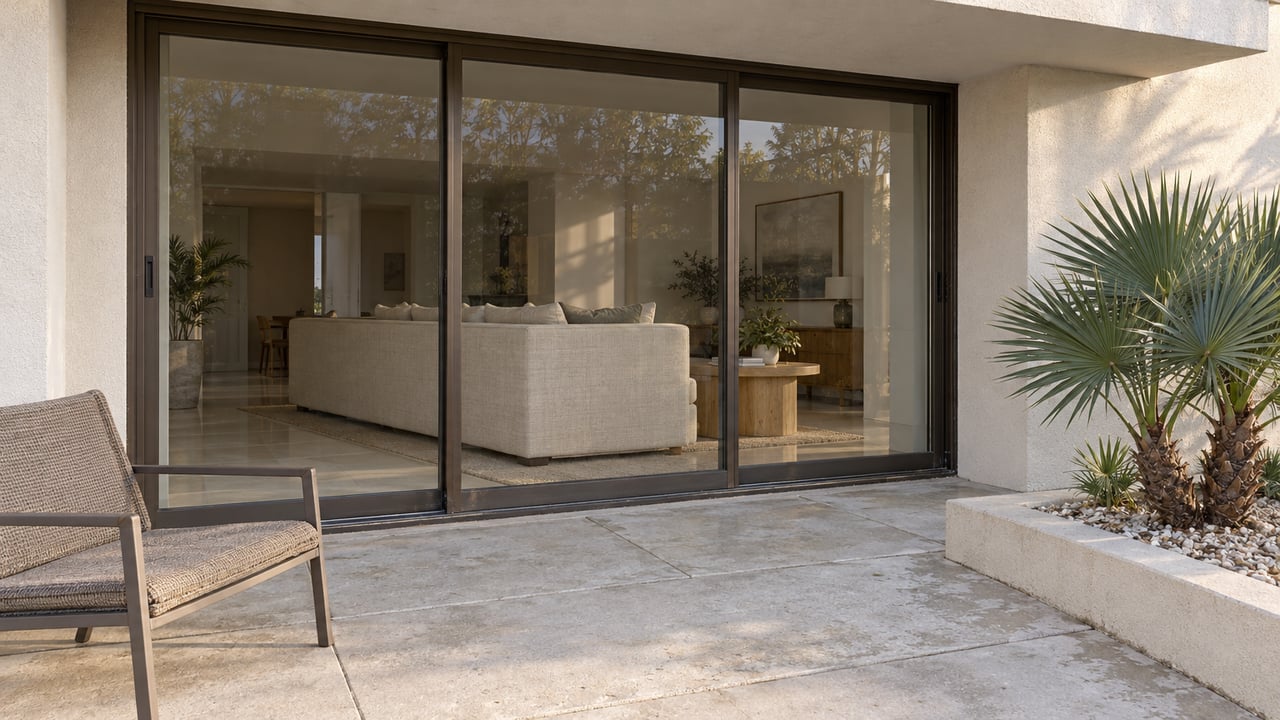
For some homeowners, a smaller yard, patio, or balcony provides just enough outdoor living without turning every weekend into yard work.
The right choice depends on your lifestyle. If you have children, pets, or enjoy gardening, outdoor space may remain a priority. Otherwise, it may be an easy place to compromise.
Keep an Open Mind About Older Homes
Older homes often offer advantages that newer construction can't.
They may be located in established neighborhoods with mature trees, larger lots, and convenient access to shopping, schools, and parks. In many cases, they also provide more value for the price.
Of course, every older home should be evaluated carefully. A thorough home inspection becomes especially important to understand the condition of major systems before moving forward.
Expand Your Search Area
Many buyers become focused on one neighborhood or ZIP code before they even begin touring homes.
Sometimes, looking just a few minutes farther away opens the door to significantly more options.
Communities adjacent to highly desirable neighborhoods often provide similar amenities at a lower price point. You may find more house for your money while still enjoying convenient access to work, schools, restaurants, and shopping.
Know Your Non-Negotiables
Not every feature should be up for compromise.
Before touring homes, separate your list into two categories:
Must-Haves
- A home within your budget
- Safe location
- Functional layout
- Enough bedrooms for your needs
- Solid structural condition
Nice-to-Haves
- Updated kitchen
- Designer finishes
- Large backyard
- Walk-in closets
- Open floor plan
- Luxury bathrooms
Keeping these lists separate makes decisions much easier when you find a home that's close—but not perfect.
The Bottom Line
Your first home doesn't need to check every box.
What matters most is finding a home that fits your budget, supports your lifestyle, and gives you the opportunity to begin building equity.
Paint colors can change. Flooring can be replaced. Kitchens can be remodeled over time.
Location, financial stability, and a home with solid fundamentals are much harder to improve after closing.
Sometimes the smartest first home isn't the one that's perfect today—it's the one that puts you in the best position for tomorrow.
Source: This article was inspired by the RE/MAX blog, "What You'll Likely Have to Compromise on in Your First Home"(published July 14, 2026). Read the original article here: RE/MAX Blog.