Thinking about buying an Orange Beach condo that also performs well as a vacation rental? You are not alone. Investors and second‑home buyers come here for the Gulf lifestyle and the potential to offset costs with short‑term rental income. In this guide, you will learn what drives bookings in Orange Beach, how to choose the right building and floor plan, which rules and costs to verify, and the metrics to run before you write an offer. Let’s dive in.
Why Orange Beach rents
Orange Beach pulls steady leisure demand thanks to white‑sand beaches, Gulf access, boating and fishing, and nearby attractions. Families and couples tend to book multi‑night stays, often in condos with pools and kitchens. The result is a well‑defined calendar that you can use to plan pricing and expectations.
Seasonality you can plan around
Peak demand typically runs from Memorial Day through Labor Day. Spring break, early May, and fall holidays create strong shoulder seasons, especially for midweek bookings. Winter slows, but you can still attract snowbirds and longer discounted stays that help cover fixed costs.
What guests actually want
Travelers prioritize beach access, a clean and comfortable space, and stress‑free logistics. Reliable Wi‑Fi, smart TVs, in‑unit laundry, and an easy check‑in process are now baseline expectations. Families also look for multiple bathrooms, a functional kitchen, and on‑site pools.
Location choices in Orange Beach
Your location inside Orange Beach shapes both nightly rates and occupancy. Beachfront towers command a premium, but near‑beach and marina‑area properties can deliver strong year‑round demand at a lower buy‑in.
Beachfront vs near‑beach
Beachfront delivers the highest pricing power but comes with higher purchase and insurance costs. A block or two off the sand can still book well, especially if the building offers beach access, a short walk to the water, or resort‑style amenities.
| Option | Advantages | Tradeoffs |
|---|---|---|
| Beachfront towers | Highest ADR potential, strong peak occupancy, direct beach access | Higher prices and insurance, more competition within the building |
| Near‑beach or across the street | Lower acquisition cost, solid occupancy with value positioning | Lower ADR than direct beachfront, guest access to the beach must be clear |
| Near The Wharf or marinas | Strong event and weekend demand, boating and fishing access | Must market distance to beach clearly to avoid guest confusion |
The Wharf, dining, and marina access
Condos near The Wharf, marinas, and dining can capture weekend trips, event‑driven demand, and off‑season bookings. Boating and fishing access adds appeal for anglers and groups who travel for charters and tournaments. If you choose a non‑beachfront location, highlight convenience and experiences in your listing.
Unit size, layout, and finishes
You are choosing both a property and a product. The most bookable condos make it easy for guests to imagine their stay and for you to operate at scale.
Popular sizes for families
Two‑ and three‑bedroom units usually produce the best total revenue because they accommodate families and small groups. Studios and one‑bedrooms can run high occupancy but may cap your gross income. Match your target guest to the unit type before you shop.
Layout and features that convert
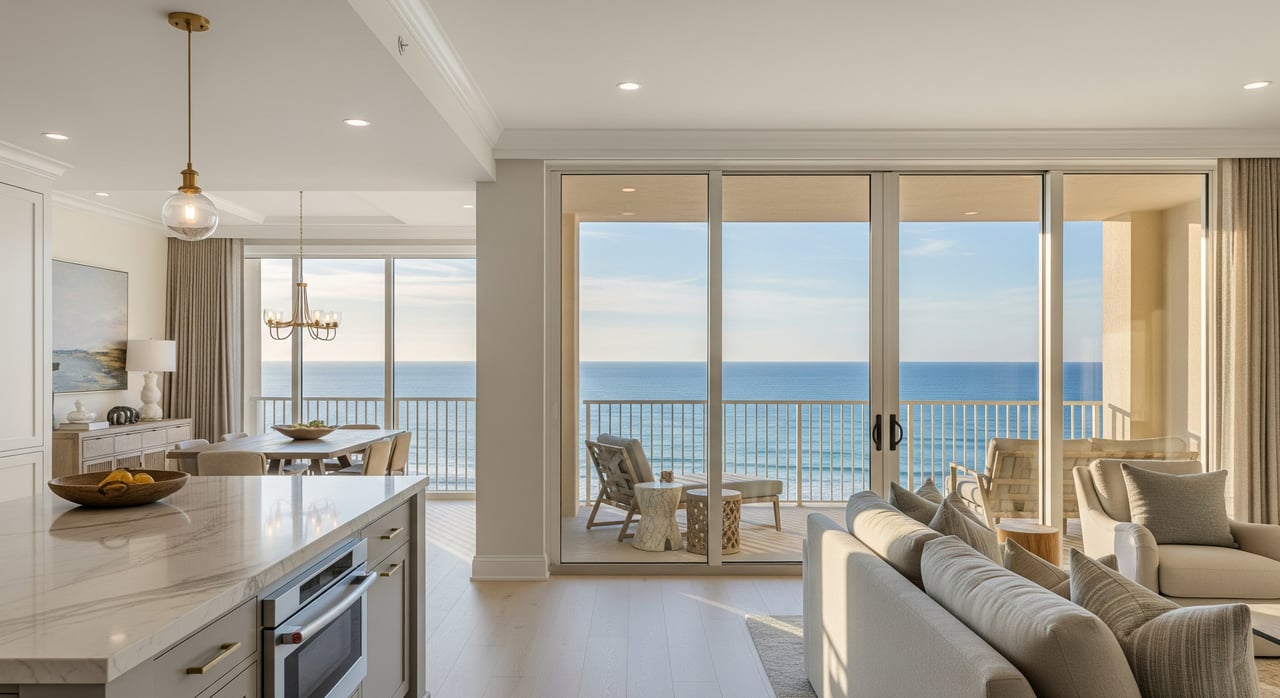
Look for multiple full baths, open kitchen and living areas, and a balcony with a view. In‑unit washer and dryer is a must for beach stays. Storage for beach gear and a logical sleeping arrangement help your listing stand out.
Furnishings and presentation
Quality mattresses, layered linens, and a fully stocked kitchen lead to better reviews and repeat bookings. Professional photography and clear floor plans materially increase online conversion. Refreshing soft goods and decor every few years protects your pricing power.
Building amenities and operations
Amenities and service level influence both rates and guest satisfaction. They also affect your operating workload.
Amenities that move the needle
High‑impact features include beachfront access, pools and hot tubs, elevators, secure or covered parking, a fitness center, and on‑site storage. Reliable air conditioning and fast internet are essential. Families appreciate kid‑friendly touches like high chairs or pack‑and‑plays.
Check‑in, support, and response time
Self check‑in with smart locks reduces friction. Quick, professional responses to issues protect your review scores. On‑site maintenance or a responsive manager can turn potential headaches into five‑star recovery moments.
On‑site vs off‑site management
Some buildings offer on‑site management or require approved managers. On‑site teams simplify guest services but usually charge higher fees or revenue shares. Off‑site managers can be cost‑effective if they provide strong marketing, housekeeping logistics, and 24‑7 support.
Rules, taxes, and insurance
Short‑term rentals are a regulated business. Before you buy, confirm that you can legally operate and that the true cost of ownership fits your goals.
City, county, and HOA rules
Check the City of Orange Beach for any business license, registration, inspection, occupancy, noise, parking, or trash rules. Baldwin County may have additional requirements. Most important, read the condo association’s covenants and rental policies for minimum stay rules, guest registration, parking, and manager requirements.
Taxes and required filings
Expect lodging or transient occupancy taxes along with sales or use tax and a local business license. Some booking platforms collect and remit certain taxes, but owners are often responsible for registrations and returns. Verify current combined rates and filing procedures with city and county authorities before you underwrite returns.
Coastal insurance and risk management
Budget for windstorm, hurricane, and flood coverage, especially if the property sits in a FEMA Special Flood Hazard Area. Confirm what the condo association’s master policy covers and what you need to carry for short‑term rental use. Consider higher liability limits, an umbrella policy, storm shutters, and a hurricane readiness plan to reduce downtime.
Run the numbers like an investor
Treat your condo as a hospitality asset. Get credible market data, then underwrite conservatively.
Key performance metrics to model
- Occupancy rate by month
- Average daily rate by season
- RevPAR as occupancy times ADR
- Gross rental yield as annual revenue divided by purchase price
- Net operating income before debt service
- Cash‑on‑cash return after financing and taxes
Use professional vacation‑rental analytics for building‑level comps and seasonal trends. Ask for month‑by‑month performance, not just annual averages.
Typical operating costs
- HOA fees and what they include, like insurance, reserves, utilities, or on‑site management
- Property management fees for full service, often a percentage of gross revenue
- Cleaning and linens, platform fees, marketing, utilities, maintenance, and reserves for capital items
- Insurance premiums and Baldwin County property taxes
- Storm readiness and post‑event repairs
Financing and lender considerations
Some lenders apply stricter standards to investment condos than to primary homes. Be ready for higher down payments, reserve requirements, and a condo project review. Confirm how your lender treats short‑term rental income and whether they will underwrite projected income.
Stress tests and risk planning
Model downside scenarios with lower occupancy and ADR, plus a storm‑related downtime assumption. Include potential HOA special assessments. If the deal still works under conservative assumptions, you are in stronger shape for the first year.
Due diligence checklist
- Verify that short‑term rentals are permitted for the specific unit and building. Confirm minimum stay rules and any manager requirements.
- Review the HOA’s recent budgets, insurance renewals, reserve studies, and any history of special assessments or litigation.
- Request the unit’s rental history, including monthly occupancy and ADR, and verify with a manager or independent analytics.
- Order a thorough inspection with a coastal focus on roof, balconies, HVAC, windows, and corrosion.
- Confirm flood zone, elevation certificate, and insurance quotes for wind and flood. Check policy exclusions for rental use.
- Verify city and county licensing steps and the current lodging and sales tax obligations.
- Build a 12‑month pro forma with seasonality, platform fees, cleaning costs, and management. Run a base case and a conservative case.
Positioning and marketing your condo
Your message to guests should be intentional. Lead with what your property does best.
Define your value proposition
Are you premium beachfront luxury or family‑friendly value near the sand? Each position attracts different guests and sets expectations for rates and amenities. Your photography, headline, and feature list should support that position.
Photos, copy, and reviews
Use professional photos that show the view, balcony, living space, and sleeping arrangements. Write clear copy that sets expectations for beach access, parking, and amenities. Respond to every review and use feedback to refine the guest experience.
Diversify your demand
List across multiple channels if allowed and consider building direct‑booking capability over time. Pair that with an email list for past guests and a simple repeat‑guest offer for shoulder seasons. Diversification lowers your platform risk.
How CoateConnection can help
You do not have to navigate this alone. As boutique coastal specialists, we help you shortlist buildings with proven demand profiles, verify HOA and city rules, source reliable rental data, and model realistic returns. We also connect you with local managers, insurance pros, inspectors, and contractors so you can launch quickly and operate confidently.
Ready to evaluate Orange Beach condos for rental demand with a clear plan and local guidance? Reach out to the team at CoateConnection to Schedule a Free Consultation.
FAQs
What months have the strongest rental demand in Orange Beach?
- Late May through early September is the busiest period, with added demand during spring break, early May, and fall holidays. Winter slows but can attract longer snowbird stays.
Can I operate a short‑term rental in any Orange Beach condo?
- No. You must confirm city and county requirements and, most importantly, the condo association’s rental policies for minimum stays, registration, parking, and manager rules.
What unit sizes are most competitive for rentals?
- Two‑ and three‑bedroom condos often maximize total revenue by serving families and small groups, while studios and one‑bedrooms can run high occupancy with lower gross income.
Which amenities influence rates the most?
- Beach access, pools and hot tubs, elevators, covered parking, fast Wi‑Fi, in‑unit laundry, and a balcony with a view typically drive higher pricing and better reviews.
How should I estimate rental income and occupancy?
- Use professional vacation‑rental analytics for Orange Beach and request month‑by‑month data. Verify building‑level comps and cross‑check with local property managers.
What taxes apply to short‑term rentals in Orange Beach?
- Expect lodging or transient occupancy tax along with sales or use tax and a business license. Confirm current rates and filing procedures with city and county authorities.
What insurance do I need for a coastal STR condo?
- You will typically need coverage for windstorm and flood in addition to the association’s master policy, plus liability coverage suited for short‑term rental use and possibly an umbrella policy.
How can I reduce risk from hurricanes or storms?
- Choose buildings with strong construction standards, install or use storm shutters, keep a hurricane plan, and maintain adequate reserves and coverage to handle downtime and repairs.
What management setup works best for absentee owners?
- On‑site management offers convenience but at higher cost, while vetted off‑site managers can be efficient if they deliver 24‑7 guest support, housekeeping, and maintenance coordination.
What’s the final go‑no‑go step before I buy?
- Run a conservative pro forma that reflects seasonality, HOA and insurance costs, management fees, and potential downtime, then confirm all regulatory and HOA requirements for the specific unit.