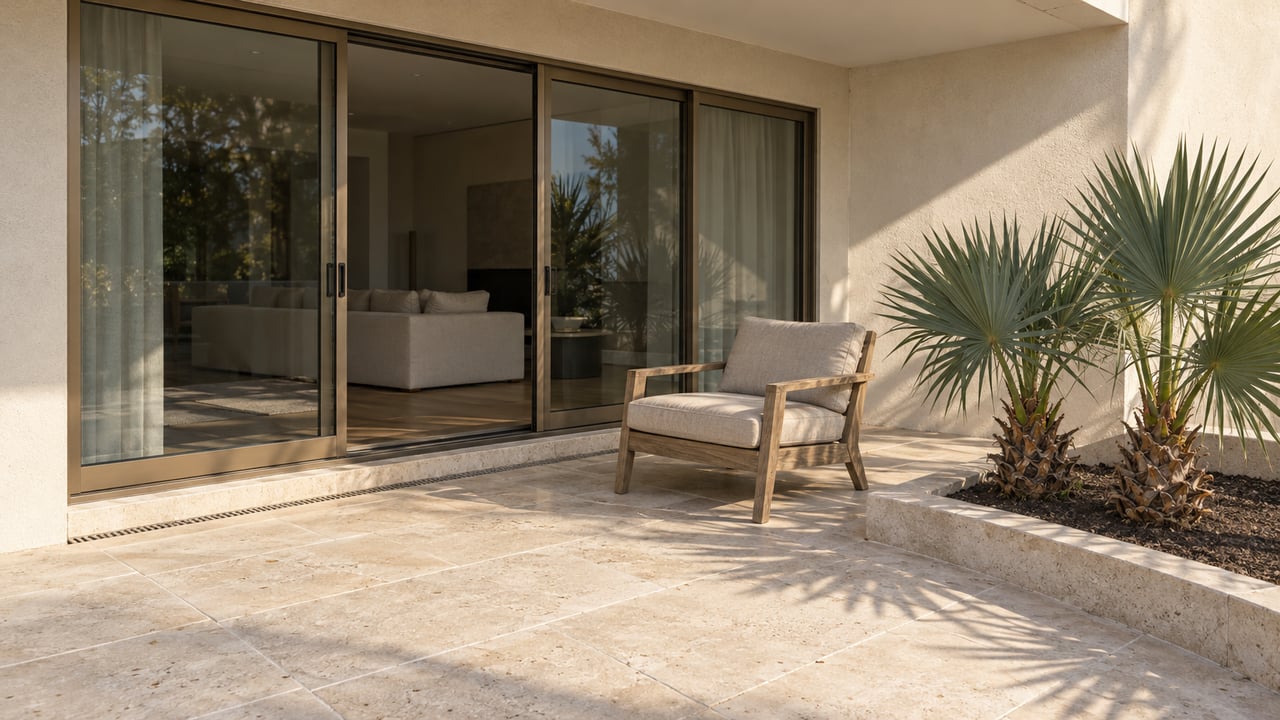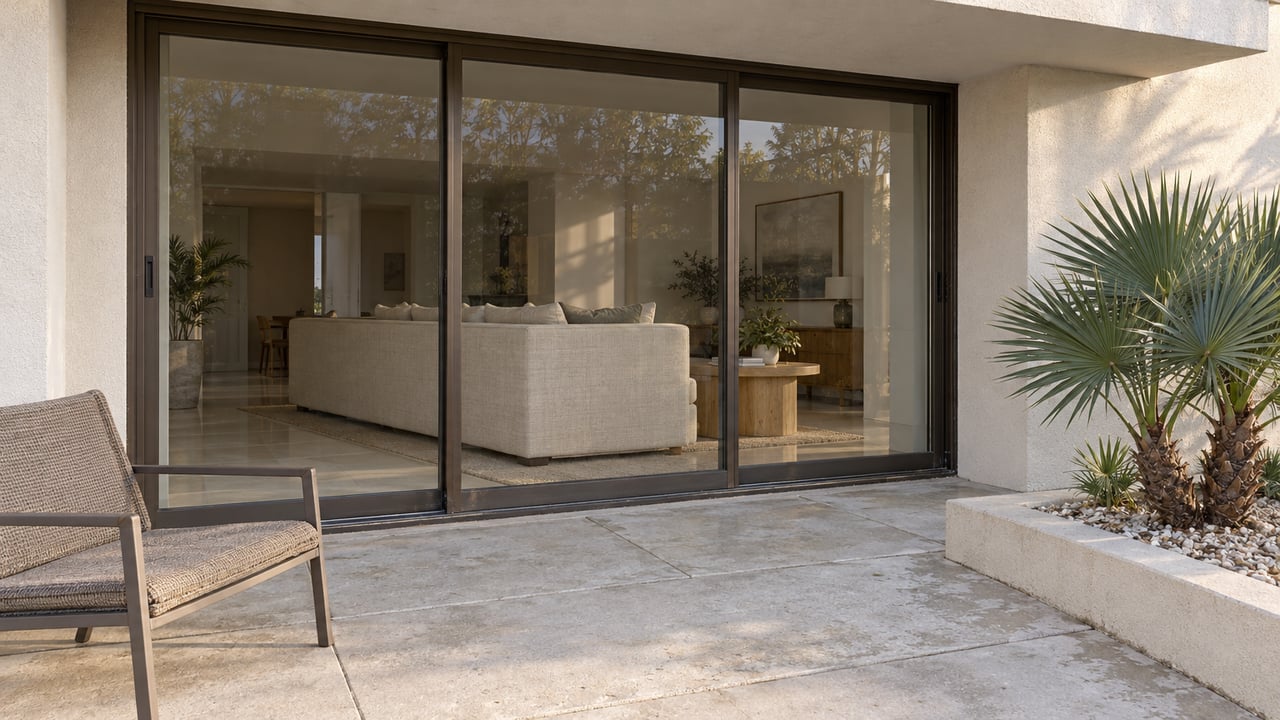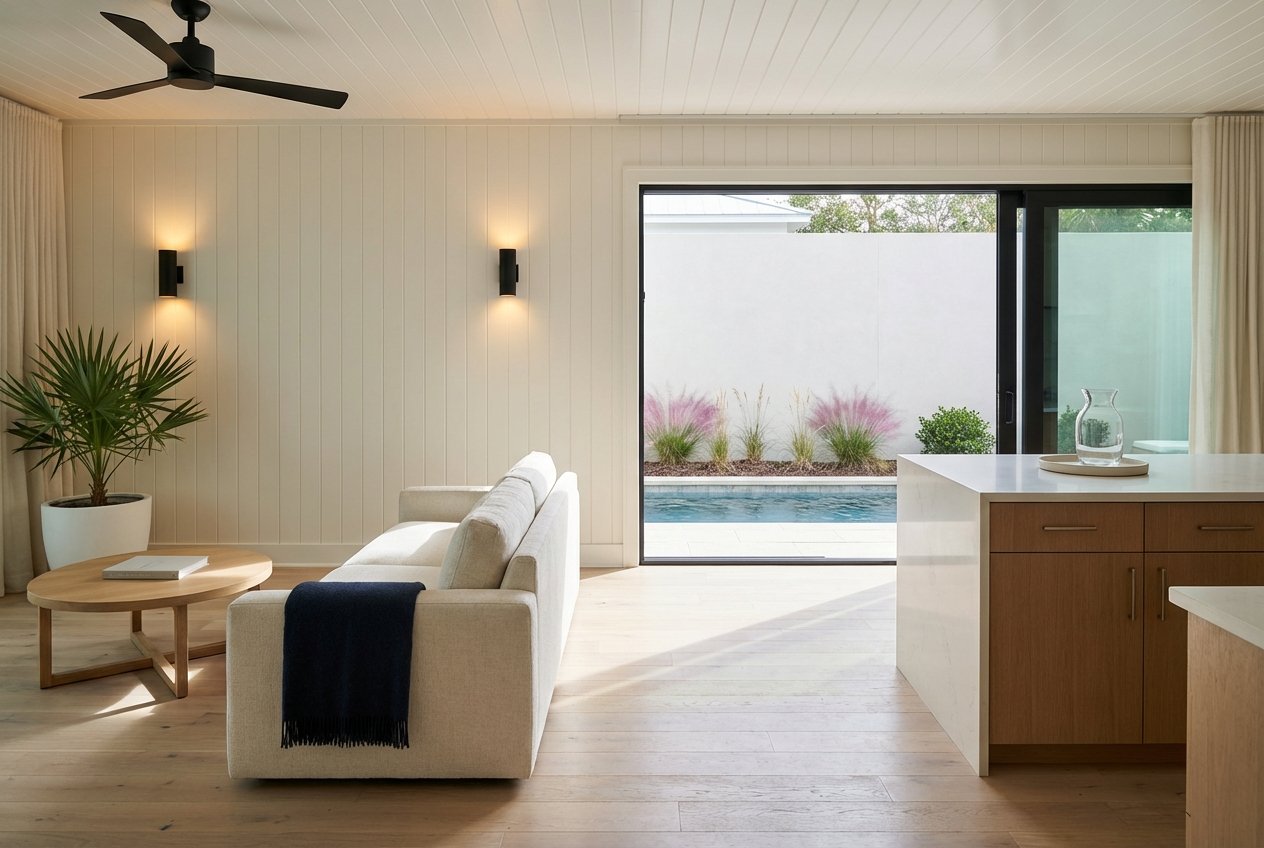
Thinking about listing your Gulf Shores beach house but not sure where to start? You are not alone. Between seasonal demand, local short-term rental rules, insurance details, and staging for the beach lifestyle, there is a lot to line up. This guide gives you a clear plan tailored to Gulf Shores so you can launch with confidence, attract the right buyers, and protect your bottom line. Let’s dive in.
Why timing matters in Gulf Shores
Gulf Shores runs on travel seasons, which directly affect buyer activity. Visitor demand spikes around spring break and summer, and that energy often carries into real estate interest from second‑home buyers and investors. You can see this seasonality reflected in local tourism calendars and spring promotions on the official visitor site for the area, Gulf Shores & Orange Beach.
Late winter to early spring strategy
If your goal is to show “vacation‑ready” and capture buyers prepping for spring and summer, consider listing between February and April. Photos look bright, and you can market upcoming rental potential to investor‑minded buyers. For maximum impact, have your staging and photography finished before the spring break wave.
High season pros and cons
Listing between May and August can expose you to more in‑person traffic. The tradeoff is showing access. If you have short‑term bookings, coordinate blackout windows with your property manager and plan for turnover‑day showings. There is no single best month for every property. Your optimal launch depends on your price point, property type, and local MLS trends.
Off‑season advantages
A fall or winter launch can work if you value fewer interruptions and a faster, low‑hassle sale. You may attract local buyers and steady investors who keep shopping year‑round. The right pricing and professional marketing still matter, even when the beaches are quieter.
Licenses, taxes, and disclosures to get right
Short‑term rental license checklist
If your property is a short‑term rental inside Gulf Shores city limits or police jurisdiction, a rental business license is required. The city pairs licensing with a vacation‑rental safety inspection every three years and requires a local emergency contact. Review the official City of Gulf Shores rental license requirements and make sure your records are current before you list.
Lodging tax rates and reporting
Investors ask about lodging tax. In Gulf Shores, the total lodging tax is 16% inside the corporate limits and 11% inside the police jurisdiction. Owners who collect rental income must collect and remit taxes according to the city’s monthly filing rules. Share your compliance history and point buyers to the city’s lodging tax overview during due diligence.
Alabama disclosures and federal lead rules
Alabama generally follows a buyer‑beware standard for used homes. There is no universal statewide disclosure form, but you must not commit fraud and you must answer buyer questions truthfully. This posture is reflected in the Alabama Supreme Court’s decision in Cashion v. Ahmadi. Many brokers still recommend a voluntary disclosure packet to reduce risk. If your home was built before 1978, federal law requires a lead disclosure, delivery of the EPA pamphlet, and a window for lead inspections. Review the EPA’s lead‑based paint disclosure rule and gather your documents early.
Inspections, insurance, and flood readiness
Flood insurance, maps, and documents
Along the coast, lenders typically require flood insurance for homes in Special Flood Hazard Areas. Buyers will ask for elevation certificates, current flood policy declarations, and any flood claim history. New NFIP flood policies usually have a 30‑day waiting period before coverage starts, which can affect closing timelines. See FEMA’s guidance on the NFIP waiting period and plan accordingly.
What to gather now:
- Any elevation certificate on file
- Current flood policy declarations page
- Flood and wind claim history (if available)
- Your insurance agent’s contact info
Roof, wind mitigation, and FORTIFIED upgrades
Coastal buyers and insurers pay close attention to roof condition and wind mitigation. Homes that meet IBHS FORTIFIED standards can help reduce storm losses and may qualify for insurance discounts on the wind portion of the premium. Alabama also offers incentives and programs for mitigation. Learn about available FORTIFIED incentives and consider whether your recent upgrades qualify. The Alabama Department of Insurance’s Strengthen Alabama Homes program offers grants up to $10,000 toward eligible FORTIFIED Roof work. Check timelines and county eligibility on the Strengthen Alabama Homes portal.
Pre‑listing inspections that pay off
What to inspect first
A small upfront investment can reduce renegotiations and days on market. Prioritize:
- Roof age and condition, plus roof‑to‑wall connections
- Exterior siding and deck or rail safety
- Windows and doors, including impact ratings if applicable
- HVAC performance and ductwork
- Plumbing and electrical safety
- Termite and wood‑destroying insect report
- Septic or sewer documentation
- Proof of structural repairs with permits and warranties
Package summaries of major findings so buyers can review quickly and with confidence.
Be ready for loan requirements
Different loan types can trigger condition or repair requests. VA, FHA, and specialty financing may require certain safety or livability items before closing. Your prep work and contractor access help you respond fast if the appraisal flags issues.
Staging and photography that sell the beach life
Staging priorities
Staging helps buyers visualize your property and can shorten time on market. National research from the REALTOR community shows the biggest impact comes from the living room, primary bedroom, and kitchen. See the NAR report on staging benefits for details.
For Gulf Shores, lean into a clean, bright, vacation‑ready look:
- Clear sightlines to the water and remove heavy curtains
- Simplify décor with a neutral, coastal palette
- Set outdoor seating to face the view
- Show flexible rooms as guest‑friendly spaces
Photo and drone tips
Schedule professional photos on a clear day after deep cleaning and staging. Capture at least one hero image that emphasizes the water view, plus the main living area and kitchen. Consider a twilight exterior for curb appeal. Aerials help with context near the beach, but real estate marketing flights are commercial use and require a Part 107‑certified pilot. Hire a pro who meets FAA Remote Pilot requirements and carries insurance.
Showing logistics for vacation rentals
Showings with active bookings
Protect guests’ privacy while keeping access for qualified buyers. Work with your property manager on these options:
- Set brief blackout windows on booking platforms so you can stack showings
- Offer private showings during turnover cleaning times
- Provide an agent‑friendly checklist in the unit with Wi‑Fi info, lights, and key notes
Quick turnover‑day checklist to leave by the door:
- Lights on, blinds open, deck furniture staged
- Towels folded, minimal personal items out
- Thermostat set to a comfortable temp
- Guest notice that a showing may occur during the cleaning window
Absentee‑owner coordination and closings
If you live out of state, confirm closing procedures with your title company early. Alabama supports some limited remote notarization frameworks, but many transactions still use in‑person signings or attorney acknowledgments. Your local representative or property manager should be listed as the emergency contact on your rental license and available for inspections, repairs, or urgent needs.
Six‑week pre‑listing checklist
Use this simple plan to get list‑ready without stress.
6 to 8 weeks out
- Order a pre‑listing home inspection and gather contractor bids. Why it matters: fewer surprises and faster negotiations. Who to call: licensed home inspector, your agent for vendor referrals.
- Get a roof inspection and document roof age and condition. If considering a FORTIFIED Roof, review grant timing on Strengthen Alabama Homes. Why it matters: insurance savings and buyer confidence. Who to call: roofing contractor familiar with FORTIFIED.
- Collect insurance declarations, flood policy details, elevation certificate, and past claim records. Why it matters: speeds buyer underwriting. Who to call: your insurance agent.
3 to 4 weeks out
- Complete high‑priority repairs like roof leaks, HVAC service, and safety items. Why it matters: prevents appraisal delays. Who to call: licensed contractors.
- Declutter, deep clean, and make small visual updates like paint and lighting. Consider professional staging informed by the NAR staging report. Why it matters: stronger photos and first impressions. Who to call: stager or your agent.
- Schedule professional photography and, if needed, aerials with a Part 107 pilot. Why it matters: premium presentation and context. Who to call: real estate photographer and FAA‑certified drone pilot.
1 to 2 weeks out
- Upload inspection summaries, resilience certificates, and key docs to your agent’s pre‑listing packet. Why it matters: answers buyer questions fast. Who to call: your agent.
- Confirm your Gulf Shores rental license status and lodging‑tax filings if operating as an STR, using the city’s official rental license portal and lodging tax page. Why it matters: investor buyers will ask. Who to call: city licensing and your CPA.
- Finalize showing windows with your property manager. Place a simple showings protocol near the lockbox. Why it matters: smooth access and better offers. Who to call: property manager and your agent.
Ready to list with confidence?
You deserve a clear plan, strong marketing, and a team that knows the Gulf Shores rhythm. From data‑driven pricing and premium media to STR compliance and absentee‑owner logistics, we help you launch clean, attract qualified buyers, and close smoothly. If you are thinking about listing, connect with CoateConnection to schedule a Free Consultation.
FAQs
When is the best time to list a Gulf Shores beach house?
- Late winter to early spring helps you capture spring‑break and summer demand, while high season brings more traffic with more showing coordination; fall and winter can suit low‑disruption sales.
What STR rules apply before I list my Gulf Shores rental?
- You need a city rental business license, a safety inspection every three years, and a local emergency contact on file; see the city’s rental license page for details.
How do lodging taxes affect my sale to an investor?
- Investors often underwrite net income, so accurate records of the 16% or 11% lodging tax collection and remittance schedule can support your price and due diligence.
What flood insurance details should I share with buyers?
- Provide your elevation certificate, current flood policy declarations, and any flood claim history, and note that new NFIP policies usually have a 30‑day waiting period.
Are FORTIFIED upgrades worth mentioning in my listing?
- Yes; FORTIFIED roofs and wind mitigation are valued on the coast and may reduce insurance costs, so include your certificate or recent upgrade documentation.
What disclosures are required in Alabama for sellers?
- Alabama generally follows buyer‑beware for used homes, but you must answer questions truthfully, and pre‑1978 homes require federal lead disclosures and pamphlet delivery.