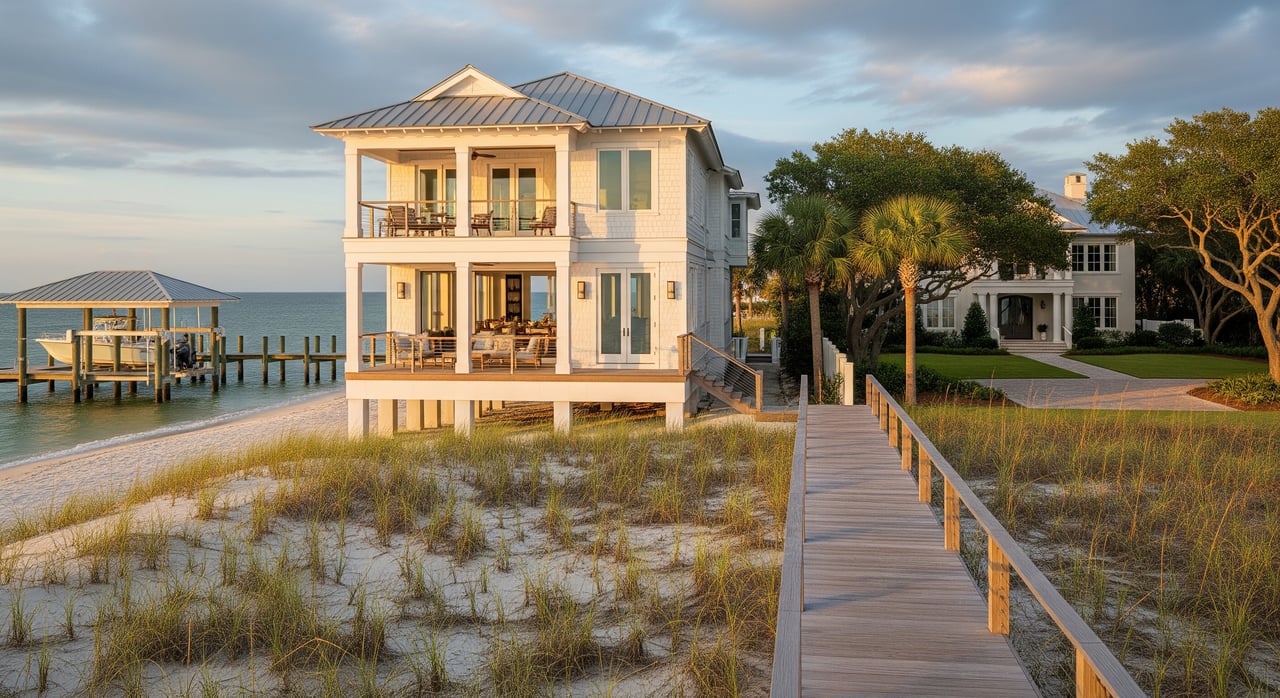
Wondering if a true waterfront home in Orange Beach is worth the premium or if an off-water property makes more sense for your lifestyle and budget? You are not alone. Many buyers weigh stunning views and dock access against maintenance, insurance, and operating costs. In this guide, you will learn how waterfront, near-water, and interior homes compare in price drivers, upkeep, risk, access, and rental potential so you can buy with confidence. Let’s dive in.
Waterfront vs off-water at a glance
Waterfront in Orange Beach usually commands a premium, with values driven by the type of water exposure, view, and amenities. Near-water homes or condos offer beach or bay proximity without the full responsibility of private waterfront structures. Interior/off-water homes often deliver more space and lower coastal-specific costs, which can be attractive for year-round living.
The right choice depends on how you plan to use the property. Consider whether daily access to the Gulf or bay, private dock rights, or a quieter interior setting better supports your goals.
What drives price in Orange Beach
- Water exposure tier. Direct Gulf frontage typically tops the market. Protected bay, sound, or canal frontage often follows, especially when boat access is excellent. Views without direct access price differently than true frontage.
- Property type and amenities. Single-family homes with private docks trade differently than high-rise condos. HOA fees, on-site amenities, and rental programs influence value.
- Short-term rental potential. Homes and condos that allow short-term rentals often command higher prices due to strong vacation demand in peak seasons.
- Build quality and age. Elevated construction, hurricane-rated windows, and reinforced roofing not only affect value but also influence insurance costs.
Plan to verify pricing with recent Orange Beach and Baldwin County MLS comparables. Also review HOA financials for condos and confirm rental rules and fee structures before you set your budget.
Maintenance and insurance on the coast
Waterfront ownership typically means higher upkeep. Docks, pilings, and seawalls require periodic inspections and repairs. Salt spray accelerates corrosion on metal components and HVAC units, and exterior paint or stain cycles can be shorter. HOA-managed developments shift some work to the association, which increases dues but can simplify your ownership experience.
Insurance is another key variable. Flood insurance is usually required by lenders in Special Flood Hazard Areas and is widely recommended in coastal markets regardless of zone. Review flood zones through the FEMA Flood Map Service Center and secure quotes from the National Flood Insurance Program or private carriers. Expect coastal wind coverage with hurricane deductibles that are often a percentage of insured value.
Before you commit, request written quotes for flood and wind coverage and ask for any available Elevation Certificate. These details can meaningfully impact your total cost of ownership and your resale story.
Climate and risk considerations
Orange Beach faces storm surge and wind risk from Gulf storms. Review local scenarios with the NOAA National Storm Surge Hazard Maps and explore longer-term exposure using the NOAA Sea Level Rise Viewer. Elevation and foundation type influence both risk and premiums, and properties built to stricter coastal standards can have advantages.
For Gulf-front parcels, understand how dunes, vegetation, and shoreline change may affect maintenance and permitting over time. If you are considering a dock or seawall on a bay or canal, factor in periodic repairs and reserve planning.
Access and lifestyle tradeoffs
- Beaches and poolside convenience. Gulf-front condos often include boardwalks, pools, and fitness centers. Near-water homes or condos can place you within a short stroll or drive of public beach access without direct frontage.
- Boating and marinas. True waterfront with a private dock offers immediate access and independence from slip waitlists. Orange Beach also has a range of public and private marinas, but availability and costs can tighten during peak season.
- Day-to-day living. Interior neighborhoods often offer more yard space and a quieter environment, and they may sit closer to schools, grocery stores, and services depending on where you shop and work in the Orange Beach and Gulf Shores area.
- Entertainment and dining. Proximity to waterfront restaurants and The Wharf entertainment district is a lifestyle bonus for many buyers, though that buzz can come with busier seasonal traffic.
Which property fits your goals
Primary residence
If you plan to live here year-round, interior or near-water homes can deliver strong value and lower coastal-specific upkeep. Waterfront can be a great fit if you are an active boater or want daily water views and beach access. Weigh commute routes, access to services, and your tolerance for seasonal crowds.
Second home or vacation use
Waterfront and near-water condos are popular for personal enjoyment and can attract strong short-term rental demand if allowed. Many buyers like condo communities with on-site management because they simplify maintenance and guest support. Confirm HOA rental policies and fees before you buy.
Investor and short-term rental focus
Waterfront and near-water properties in Orange Beach can earn higher nightly rates and strong summer occupancy. Seasonality matters, and operating costs can reduce net returns. Verify city registration, lodging taxes, and HOA rules before you model income.
Investor cash-flow checklist:
- Revenue assumptions. Seasonal ADR and occupancy from local managers or STR data.
- Management and cleaning. Percentage fees, cleaning, linens, and supplies by season.
- Fixed expenses. HOA dues, utilities, internet, landscaping.
- Insurance. Wind and flood quotes in writing, hurricane deductible details.
- Maintenance reserves. Dock, seawall, exterior, HVAC, elevator service if a condo.
- Taxes and licenses. Local lodging tax, business license, and any city registration.
- Vacancy and capital. Budget for off-season demand and long-term updates.
Permits, rules, and due diligence in Orange Beach
Waterfront work such as docks, bulkheads, and walkovers often requires local, state, and federal approval. Start with the U.S. Army Corps of Engineers Mobile District regulatory guidance, then confirm local rules with the City of Orange Beach Community Development. Building elevation, coastal setbacks, and floodplain requirements may apply in certain zones.
Always confirm your flood zone using the FEMA Flood Map Service Center and request an Elevation Certificate if available. For broader permitting context, you can also review the Alabama Department of Environmental Management site for coastal implications. Property taxes and assessments are handled through the Baldwin County Revenue Commission.
Pre-offer checklist:
- Verify flood zone and obtain or review any Elevation Certificate.
- Review HOA bylaws, rental policies, and financials for condos or planned communities.
- Confirm dock or seawall feasibility and permitting path with qualified marine contractors.
- Get written insurance quotes for wind and flood from local carriers.
- Review recent Orange Beach comps for your property type and water exposure.
Near-water and interior sweet spots
If you want the beach lifestyle without full waterfront obligations, near-water properties can deliver a smart middle ground. You can enjoy quick access to public beach parks and marinas, lower insurance exposure compared to many waterfront sites, and simpler maintenance.
Interior homes can be ideal for year-round living and value per square foot. Many interior neighborhoods also provide easy access to shopping, dining, and services while keeping you close to the coast for weekend fun.
Your next step
Whether you are focused on daily dock access, a condo that rents well in peak season, or a quieter primary home with fewer coastal costs, the best choice aligns with your goals and budget. If you want a local, data-driven comparison of specific Orange Beach options, we are here to help. Connect with CoateConnection to run comps, review insurance quotes, and map out your path. Schedule a Free Consultation.
FAQs
How do waterfront and off-water prices compare in Orange Beach?
- Waterfront usually commands a premium that varies by exposure, view, and amenities, so confirm current pricing with recent Orange Beach and Baldwin County MLS comps.
Do I need flood insurance if the home is not in a Special Flood Hazard Area?
- Lenders often require flood coverage only in SFHAs, but coastal storms can impact areas outside mapped zones, so many buyers still secure a policy through the NFIP or private carriers.
What should I know about hurricane deductibles on the coast?
- Many coastal policies include wind coverage with hurricane deductibles stated as a percentage of insured value, so ask for quotes and deductible options in writing.
Can I build a private dock on a bay or canal in Orange Beach?
- Possibly, but docks generally require permits through local authorities and the U.S. Army Corps of Engineers, and you must follow setbacks and environmental rules.
Are short-term rentals allowed everywhere in Orange Beach?
- Rules vary by city area and by community, so verify Orange Beach registration, lodging taxes, and HOA covenants before assuming any rental income.
How do storms and sea level rise affect long-term value?
- Storm surge, wind, and shoreline change are real coastal factors, and elevation, construction type, and location influence exposure and insurance over time.
Is a waterfront condo easier to manage than a single-family home from out of state?
- Often yes, since HOAs and on-site programs handle many tasks, while single-family homes require local vendors for maintenance and repairs.