Eyeing a Gulf Shores condo for beach time and rental income, but keep hearing “non-warrantable”? You are not alone. Many Alabama Gulf Coast buildings lean into vacation rentals, which can change how lenders view risk and your loan options. In this guide, you will learn what non-warrantable means, how condo-hotel features and rental programs affect financing, and the practical steps to take before you tour units. Let’s dive in.
What non-warrantable means
A condo is called non-warrantable when it does not meet the eligibility rules set by major mortgage investors like Fannie Mae and Freddie Mac, government programs such as FHA and VA, or a specific lender’s internal standards. It is not a legal label. It is an underwriting determination about project risk. One lender might approve a unit while another will not, because standards and overlays differ.
What lenders review
- Ownership mix and concentration, including owner-occupied versus investor-owned and whether any single entity owns many units.
- Legal structure and documents like the master insurance policy, CC&Rs, bylaws, and any master lease or management agreement.
- Financial health of the HOA, including the budget, reserve funding, and HOA dues delinquency.
- Project type and use, especially the mix of residential, commercial, or hotel-like operations.
- Completion status and developer control, plus any special assessments or litigation.
Thresholds for items like owner-occupancy can change and vary by investor. Always confirm current guidelines with your lender.
Red flags on the Gulf Coast
Gulf Shores has many buildings designed for vacation rental use, which can trigger non-warrantability. Risk factors often include a high share of short-term rentals, mandatory rental pools with operator control, master leases, or hotel-like services coordinated for all units. Low reserves, developer control, heavy commercial space, or active litigation can also make a project non-warrantable.
How rental programs and condo-hotels affect loans
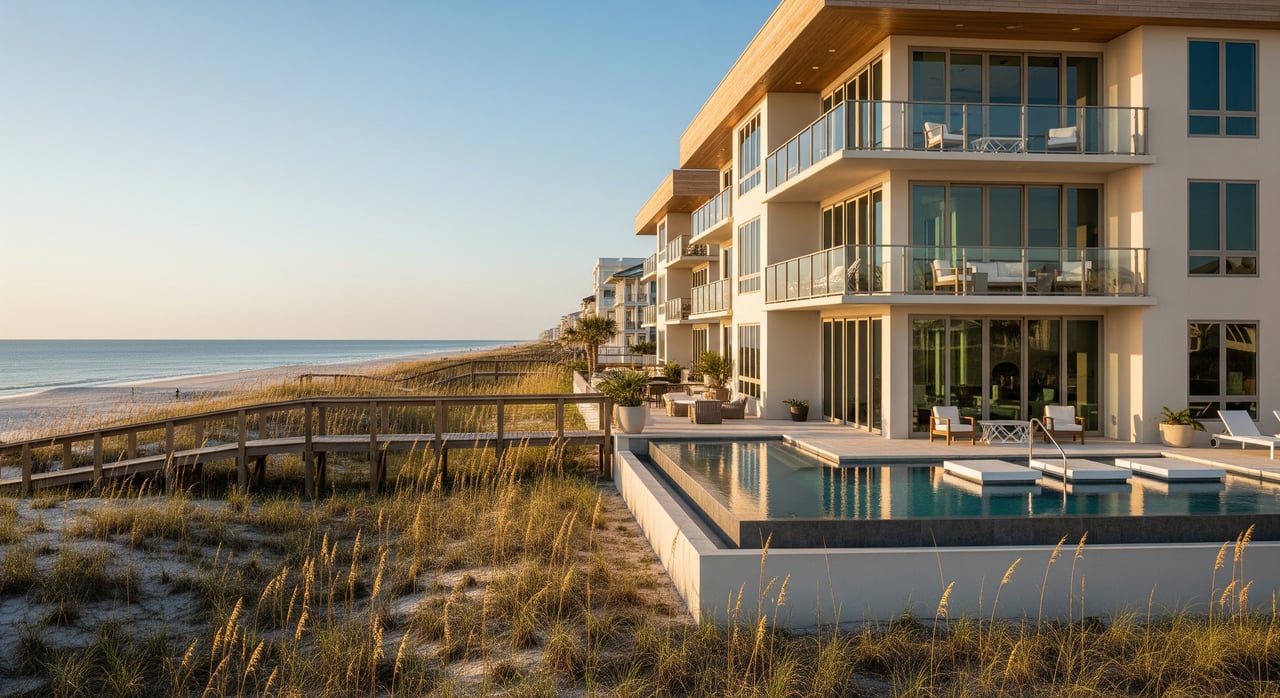
Many Gulf Shores buildings offer on-site rental desks, housekeeping, pools, and beach access. When these features operate like a hotel, lenders may view the project as a hospitality enterprise rather than a standard residential condo.
Hotel-style features that raise risk
- Mandatory or operator-controlled rental pools that manage reservations, access, and revenue sharing.
- Transient occupancy patterns that lower owner-occupancy and tie income to tourism cycles.
- A high percentage of units used as short-term rentals, even when participation is voluntary.
- Master leases or significant commercial revenue tied to building operations.
- Centralized hotel services such as daily housekeeping or concierge, especially when they are coordinated across owners.
Local rules in Gulf Shores and Baldwin County can affect licensing and taxes for short-term rentals. Those rules matter, but investors focus on the condo’s governing documents, financial stability, and how the project operates. Confirm that any rental program complies with local ordinances and how transient occupancy taxes are handled.
Financing options that work locally
When a building is non-warrantable, conventional loans backed by Fannie Mae or Freddie Mac are often not an option. FHA and VA financing can also be restricted unless the project or unit qualifies through specific approval pathways. Many Gulf Shores buyers use alternative financing when they want a condo with strong rental features.
Alternative loans you may use
- Portfolio loans from local or regional banks and credit unions that keep loans in-house.
- Portfolio jumbo loans for higher-priced condos.
- Private or hard-money loans for short horizons or repositioning plans.
- FHA Single-Unit Approval when available and supported by your lender, case by case.
- VA approvals or waivers in limited cases, subject to current VA guidance.
- Cash purchases that eliminate underwriting risk.
- Seller financing when available and appropriate for both parties.
What this means for your budget
- Down payment: Alternative lenders often require more, commonly 20 to 30 percent or higher.
- Interest rate: Pricing may be higher due to perceived project risk.
- Appraisal: Comparable sales can be tricky when short-term rental income influences values.
- Resale: A smaller financing pool can affect resale timing and price.
- Refinancing: Moving into a conventional loan later may be difficult until the project becomes warrantable.
Can a building become warrantable
Yes. HOAs can strengthen reserves, resolve litigation, reduce developer control, and adopt rental policies that align with investor criteria. Projects can pursue formal approvals with Fannie, Freddie, FHA, or VA, which takes documentation and time. Updates to condo documents may be needed and typically require owner votes.
Buyer checklist before you tour
Start your process with clarity. Tell your lender you are shopping Gulf Shores condos that may feature short-term rentals or condo-hotel operations. Ask what they can finance and how terms change.
Gather early
- A pre-qualification that accounts for condo-hotel or short-term rental features.
- The resale certificate, HOA budget, recent financials, reserve study, and master insurance declarations when you get serious about a building.
Project and document questions
- Is the project approved by Fannie Mae, Freddie Mac, FHA, or VA? Ask for the approval and date.
- Is the developer still in control, and what percentage of units remain under developer control?
- Are there any current or pending lawsuits or special assessments?
- Can you review the CC&Rs, bylaws, and any master lease or management agreement?
Rental program and hotel operations
- Is the rental pool mandatory or voluntary?
- What percentage of units are in the rental program, and who manages reservations and housekeeping?
- Are there revenue-sharing provisions or assessments tied to rental income?
- Are housekeeping or utilities included in HOA fees, and who controls these services?
Financial health and insurance
- Request the current HOA budget, balance sheet, and recent bank statements.
- Ask if there is a reserve study and how well reserves are funded.
- What is the current HOA delinquency rate for dues?
- Review the master insurance declarations and fidelity bond coverage.
Practical buyer questions
- If the project is non-warrantable, what loan types funded recent sales in this building?
- Has any unit closed with FHA or VA financing recently, and how was that achieved?
- If you plan FHA or VA, will your lender support the necessary project or single-unit approval?
Red flags that need extra diligence
- Mandatory rental pools with operator control and no opt-out.
- Early-stage or developer-controlled projects with limited financial history.
- Ongoing litigation, large assessments, or low reserves and deferred maintenance.
- HOA budgets heavily dependent on rental income instead of owner assessments.
Structure a smart offer
- Early search: Speak with a lender who regularly finances Gulf Coast condos and confirm your comfort with alternative financing.
- Before you write: Obtain the HOA documents and ask your lender to review for conditional approval.
- At offer stage: Use contingencies that allow document review and lender confirmation of financeability.
- If non-warrantable: Lock in terms, rate, down payment, and timeline with your lender before you proceed.
Why local guidance matters
Financing Gulf Shores condos is different from buying a typical suburban home. You will benefit from a team that understands condo documents, rental programs, and which lenders are actively closing in specific buildings. If you want a beach escape that can also earn income, the right strategy can save time, stress, and money.
Ready to explore your options with a local plan tailored to your goals? Connect with the team at CoateConnection to map your financing path, review buildings, and shop with confidence.
FAQs
What does non-warrantable condo mean in Gulf Shores
- It means the building does not meet current investor or lender standards for conventional, FHA, or VA loans, often due to rental programs, hotel-like operations, or HOA risk factors.
How do rental pools impact my mortgage options
- Mandatory or operator-controlled rental pools can make a project ineligible for conventional, FHA, or VA financing, pushing buyers toward portfolio or cash options.
Can I get FHA or VA financing on a non-warrantable unit
- Sometimes, through project approvals or single-unit approvals where allowed, but eligibility is case by case and requires extra documentation and time.
What down payment should I expect for non-warrantable condos
- Alternative lenders often require larger down payments, commonly in the 20 to 30 percent range or more, depending on your profile and the project.
Will a non-warrantable status hurt my resale options
- It can reduce the number of buyers who can finance the unit, which may affect market time and pricing, especially if rates are higher or approvals are limited.
How can a building become warrantable again
- The HOA can strengthen reserves, resolve litigation, adjust rental policies, reduce developer control, and seek formal approval from major investors, which takes time and documentation.