What happens in Gulf Shores when the beach chairs are packed away and the crowds go home? If you are thinking about moving here or turning a second home into your everyday address, you want to know what real life looks like after summer. In this guide, you will see how the city’s rhythm shifts, what services you can count on, and the key details that matter for year-round living. You will also get practical buyer tips tailored to coastal homes. Let’s dive in.
Off-season rhythm in Gulf Shores
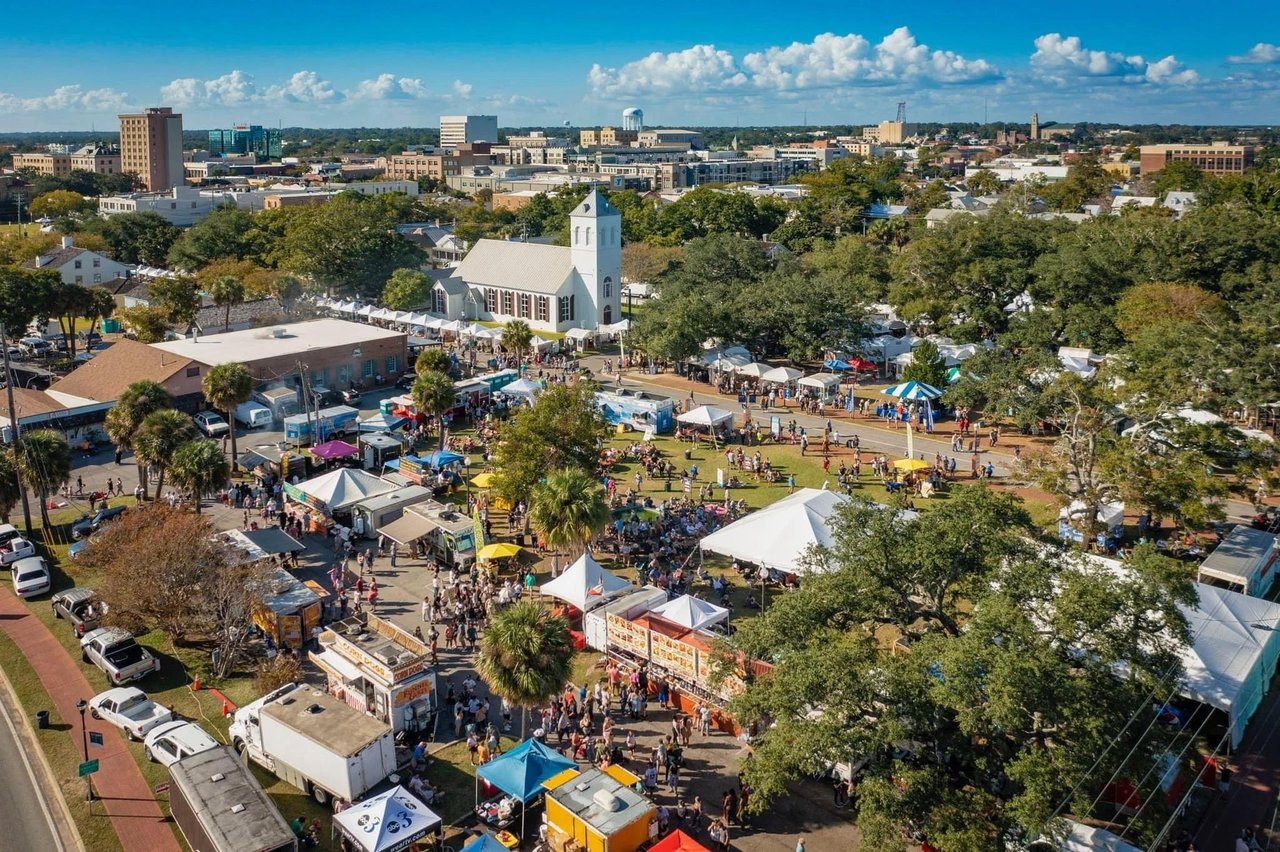
Late fall through early spring brings a calmer pace. Traffic lightens, you can find a parking spot near the beach, and many local businesses stay open with trimmed hours. You will still see events and weekend visitors, but day-to-day life is about routine errands, school schedules, and enjoying mild weather.
You will notice a tight-knit local community outside peak months. Many residents work and play across nearby Foley, Orange Beach, and Fairhope, which round out shopping, services, and social life. If you want a smaller-city feel with coastal access, the off-season is when that shines.
Weather and hurricane season
Gulf Shores has a humid subtropical climate with hot summers and mild winters. Cooler months are great for walking, biking, fishing, and volunteering outdoors. Hurricane season runs June through November, so you plan your year with preparedness in mind. For seasonal outlooks and storm guidance, use the National Hurricane Center and the local office of the National Weather Service in Mobile.
A simple storm-season routine helps:
- Review your evacuation route and local alerts through the City of Gulf Shores.
- Keep supplies ready: water, nonperishables, flashlights, batteries, and prescriptions.
- Confirm your insurance coverage and know your property’s elevation and flood zone using the FEMA Flood Map Service Center.
Getting around and daily errands
Most residents rely on personal vehicles. During spring break and summer weekends, main roads slow down, but off-season driving is straightforward. Public transit is limited, though seasonal trolleys and shuttles appear during busy periods.
Airports and regional access
For flights, residents commonly use Pensacola International Airport to the east and Mobile’s airports to the west. Drive times vary with traffic and season, so build in buffer time for peak visitor weekends.
Groceries, shopping, and services
You can handle day-to-day needs locally. You will find national and regional grocery chains, big-box stores in nearby Foley, and local markets for seafood and produce. Some specialty shops shorten hours during the quieter months, but core services like mechanics, contractors, and home maintenance are available year-round. Turnaround times for non-urgent projects can change with the season.
Schools, childcare, and healthcare
Schools and enrollment
Gulf Shores has local public school options. For zone maps, enrollment steps, and calendars, check the official sites for Gulf Shores City Schools and nearby Baldwin County Public Schools. You will also find private preschools, childcare centers, and faith-based options. Availability can shift with staffing and season, so plan ahead.
Clinics and hospitals
Primary care and urgent care clinics are located in and around Gulf Shores. For hospital services, many residents use regional providers in Foley or Mobile. You can explore services and directions for the Foley hospital at South Baldwin Regional Medical Center.
Parks, beaches, and outdoor routine
Gulf State Park as your backyard
Gulf State Park is the everyday playground for locals. You can walk or bike on miles of paved trails, enjoy the pier, or head to the beach for a quiet morning. Programs and nature activities run year-round, and the wide trail network makes casual cycling and family walks easy. Explore park amenities on the official page for Gulf State Park.
Quiet nature escapes
If you prefer solitude, head to Bon Secour National Wildlife Refuge and the Fort Morgan area for birding, hiking, and peaceful beaches. Fall and winter bring excellent bird migration. Learn about trails and seasonal wildlife at the Bon Secour National Wildlife Refuge.
Dining, markets, and community life
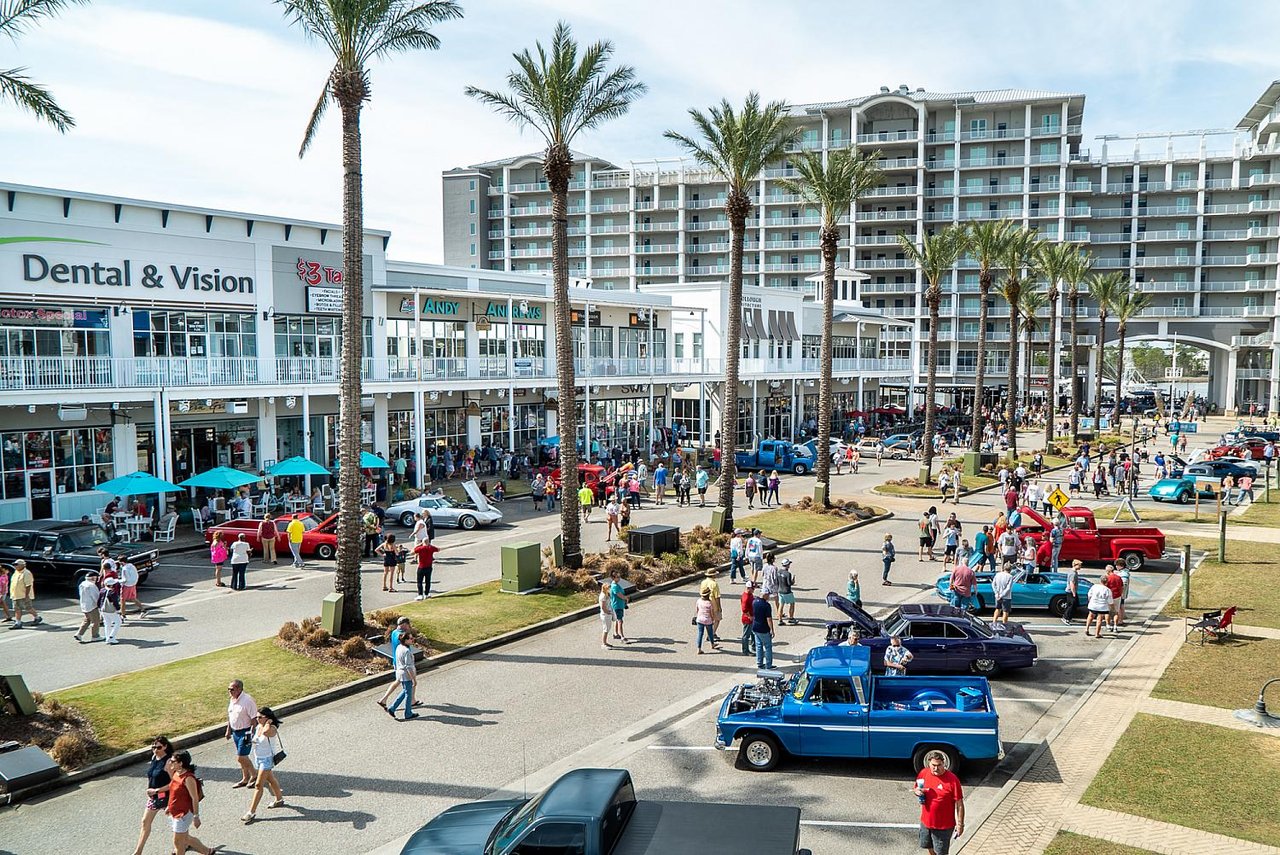
Many restaurants, cafés, and local bars operate all year. Menus and hours may be shorter in the off-season, but that is part of the charm. You can try weekday specials without a wait and chat with staff who know the community. Farmers markets, holiday events, and small festivals keep the calendar lively through cooler months.
To see what is happening each week, check the local event listings via Gulf Shores & Orange Beach Tourism. You will find live music, charity runs, art shows, and seasonal markets that make it easy to meet neighbors.
Internet, utilities, and safety
Electricity and water are provided by regional utilities with generally reliable service. Plan for occasional outages during severe weather. Internet and cell coverage are strong in most neighborhoods, though coverage can be patchy near nature areas or remote beach access points. Fiber availability varies by address, so confirm options before you buy.
The city provides full-time police, fire, and EMS services, with call volumes that fluctuate with visitor season. For municipal services, storm updates, and emergency information, start at the City of Gulf Shores.
Buying for year-round living
Insurance and flood risk
Coastal homes carry elevated wind and flood risks compared with inland areas. Many lenders require flood insurance in FEMA-designated zones, and your home’s elevation, roof type, and storm shutters can affect premiums. Ask for the property’s elevation certificate and review flood zones using the FEMA Flood Map Service Center. Understanding building codes, retrofits, and HOA policies will help you budget and protect your investment.
Costs, HOA fees, and operating expenses
Alabama property taxes are relatively low compared with many states, but local millage and HOA dues vary. Condo associations near the beach may have higher fees and occasional special assessments. If you plan to use a home as a second residence, factor in utilities, maintenance, periodic deep cleaning, and any property management support you may need.
Rental rules and income patterns
Seasonal demand for short-term rentals is strong, with peak occupancy tied to spring, summer, and event weekends. Off-season occupancy is modest, so base your projections on full-year numbers, not just summer rates. Short-term rental ordinances, licensing, and lodging tax rules can change. Confirm current regulations with the city and county before you buy.
Resale and liquidity
Homes designed for everyday living can perform differently than purely vacation-focused condos. Proximity to services, higher elevation, and winter-friendly amenities can broaden your buyer pool. When you plan for resale, think about who your most likely future buyer will be, from full-time residents to investors, and choose accordingly.
Neighborhood fit tips
Finding the right location is about your daily routine. Consider these quick checks:
- Drive your commute and school drop-offs during both peak season and off-season.
- Test your cell coverage and internet speeds at the property.
- Walk or bike the nearest Gulf State Park trailheads to see your daily access.
- Review HOA guidelines for rentals, exterior changes, and storm shutters.
- Ask about past storm performance, roof upgrades, and any flood mitigation.
A simple weekday in January
- Early walk on the beach or a bike ride on the Gulf State Park trails.
- School drop-off or a remote work session at a local café.
- Quick grocery run or errands in Foley or downtown Gulf Shores.
- Afternoon fishing at the pier or a quiet sunset at the refuge.
- Dinner at a local spot with off-season specials and no wait.
Your next step
If year-round coastal living appeals to you, local guidance makes all the difference. You want address-specific insight on elevation, internet options, HOA rules, and seasonal rhythms that affect everyday life. When you are ready to explore neighborhoods, compare properties, or map out ownership costs, let us help you move with confidence.
Have questions or want to see what fits your plan? Reach out to CoateConnection to Schedule a Free Consultation.
FAQs
What is Gulf Shores like in winter for everyday life?
- Winters are mild and quieter, with many businesses open on shorter hours, regular school schedules, outdoor time at Gulf State Park, and easy errands without heavy traffic.
How do I prepare for hurricane season as a resident of Gulf Shores?
- Make a supply kit, review evacuation routes and city alerts through the City of Gulf Shores, confirm insurance, and check your flood zone with FEMA’s Flood Map Service Center.
Are there nearby hospitals and clinics for Gulf Shores residents?
- Yes. You will find local primary and urgent care options, with hospital services commonly used in Foley at South Baldwin Regional Medical Center and in the Mobile region.
Where can I find school enrollment details for Gulf Shores?
- Visit Gulf Shores City Schools for local options and Baldwin County Public Schools for nearby alternatives to review boundaries, calendars, and enrollment steps.
What should I check before buying a year-round home near the beach in Gulf Shores?
- Verify elevation and flood zone, insurance costs, HOA rules, internet options at the address, and how the property performs during storm season and off-season months.