Packing your bags and planning your itinerary might be the exciting part of going on vacation, but there's one important thing you shouldn't overlook: preparing your home for your absence. Whether you're leaving for a long weekend or spending several weeks away, a little preparation can prevent expensive surprises when you return.
For homeowners along the Gulf Coast, where humidity, unpredictable weather, and seasonal storms are part of everyday life, taking a few extra precautions is especially important. From protecting your plumbing to making sure your home stays secure, here's what to do before heading out the door.
Start Preparing Before Your Departure Date
It's easy to leave everything until the night before a trip. Unfortunately, that's usually when you discover a camera battery needs replacing, a window won't lock properly, or you forgot to arrange for someone to bring in the mail.
For vacations lasting a week or longer, try to begin preparing about two weeks before departure.
This gives you enough time to review your homeowners insurance, arrange for someone to check on the property, and take care of any maintenance that shouldn't wait until you return.
If you'll be away for an extended period, consider scheduling lawn maintenance and making arrangements for packages and mail.
Taking care of these details ahead of time makes departure day much less stressful.
1. Protect Your Home From Water Damage
When most people think about leaving their home unattended, security is usually their first concern. However, water damage can be an even bigger financial risk.
According to the Insurance Information Institute, approximately one in 60 insured homes experiences a water damage or freezing claim annually, compared with roughly one in 700 for theft.
A small plumbing leak might be noticed almost immediately when someone is home. When a property sits empty, that same leak could continue for days before anyone discovers it.
Before leaving, consider shutting off your home's main water supply, particularly if you'll be gone for an extended period.
If shutting off the main valve isn't practical, you can still reduce potential problems by turning off the water supply to appliances such as washing machines and dishwashers.
Water leak detectors are another worthwhile investment. Many smart detectors can send alerts directly to your phone if moisture is detected.
One important exception: Homes with fire sprinkler systems or equipment requiring a continuous water supply may need different precautions. Check with a qualified professional before turning off the main valve.
2. Adjust Your Thermostat, But Don't Turn It Off
Along the Alabama and Florida Gulf Coast, humidity can be just as concerning as temperature.
Although turning off your air conditioning while you're away might seem like an easy way to save money, doing so can allow indoor humidity to rise. Over time, excess moisture can contribute to mildew, musty odors, and other problems.
Instead, adjust your thermostat to a higher, energy-saving temperature while keeping the cooling system running.
For many Gulf Coast homes, a setting around 78–82 degrees may be a reasonable starting point, depending on the property, indoor humidity, and the time of year.
If your thermostat allows you to monitor indoor humidity, aim to keep it below 60%.
During colder months, keep enough heat running to protect plumbing from freezing temperatures.
A smart thermostat can make things easier by allowing you to monitor conditions and make adjustments remotely.
3. Double-Check Every Door and Window
Home security starts with the basics.
Before leaving, walk through your property and check every exterior entrance, including doors you might not use regularly.
Pay particular attention to sliding glass doors, garage entrances, and windows that may have been opened for fresh air.
If you have a security system, test it before leaving to confirm that your cameras, motion sensors, and phone notifications are working properly.
For homeowners with smart locks or video doorbells, check batteries and internet connectivity.
Avoid leaving spare keys under doormats, flowerpots, or other obvious hiding places. If someone needs access while you're away, arrange a secure way to provide it.
4. Unplug Electronics You Won't Need
Even when electronics are turned off, many continue drawing small amounts of electricity.
According to the U.S. Department of Energy, standby power can account for approximately 5% to 10% of residential energy consumption.
Before leaving, consider unplugging unused televisions, computers, gaming systems, coffee makers, and other small appliances.
Not only can this reduce unnecessary energy use, but it also removes some potential electrical hazards.
However, certain devices should remain connected, including refrigerators, freezers, security systems, and equipment supporting essential home functions.
If your security cameras depend on your home internet connection, make sure the router remains powered on.
5. Make Your Home Look Occupied
A quiet house with overflowing mail, packages at the front door, and lights that never turn on can make it obvious that nobody is home.
Fortunately, a few simple steps can help make your property appear occupied.
Use programmable timers or smart bulbs to turn lights on and off during normal evening hours.
If you're leaving for several days, consider requesting a temporary mail hold through the United States Postal Service. USPS offers free Hold Mail service for periods ranging from three to 30 days.
For longer vacations, arrange for lawn maintenance and ask a trusted neighbor to collect any packages that arrive.
Another precaution is to avoid announcing travel plans publicly on social media. Sharing vacation photos after returning home is a simple way to avoid advertising that your property is unattended.
6. Ask Someone You Trust to Check on the Property
Even with smart home technology, having someone physically check on your home can be incredibly valuable.
A trusted neighbor, friend, family member, or property manager may notice problems that automated systems miss.
Ask them to periodically check for plumbing leaks, unusual odors, air conditioning problems, and signs of storm damage.
Make sure they know how to contact you and have instructions for handling emergencies.
If you're leaving a vacation property or second home unattended for several months, professional property management or scheduled property inspections may be worth considering.
This can be particularly helpful for seasonal residents who spend part of the year away from their Gulf Coast homes.
7. Take Extra Precautions During Hurricane Season
If you live in Gulf Shores, Orange Beach, Pensacola, or Perdido Key, hurricane preparedness deserves special attention.
Atlantic hurricane season runs from June 1 through November 30, meaning summer and fall vacations can overlap with periods of increased tropical weather activity.
Before traveling, check the weather forecast and make sure your property is prepared for potentially strong winds and heavy rain.
Secure or store lightweight outdoor furniture, umbrellas, decorations, and other items that could become airborne during a storm.
Inspect drainage areas and gutters to help reduce the possibility of water collecting around your home.
If you have storm shutters, make arrangements for someone to install them if necessary.
For properties in flood-prone locations, make sure important documents and valuables are stored appropriately.
It's also worth reviewing your homeowners and flood insurance coverage before leaving, especially if your trip will last several weeks.
Remember, standard homeowners insurance generally does not cover flood damage.
8. Don't Forget the Refrigerator and Trash
Sometimes it's the smallest details that create the biggest headaches when you return.
Before leaving, remove perishable food that may spoil during your absence.
Take out the trash, clean up food scraps, and avoid leaving dirty dishes in the sink.
If your trip will be particularly long, consider cleaning out the refrigerator and checking expiration dates before departure.
For homeowners along the Gulf Coast, where warm temperatures can make odors and pest problems develop quickly, these simple housekeeping steps are especially worthwhile.
9. Selling Your Home While You're Away? Plan Ahead
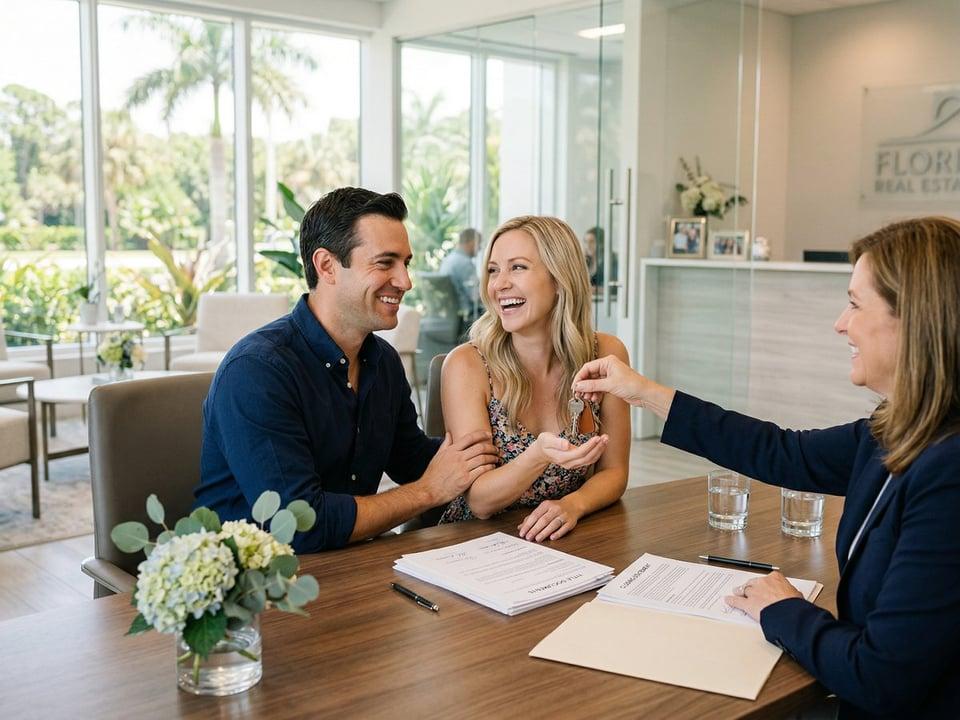
If your home is currently listed for sale, going on vacation doesn't necessarily mean putting the selling process on hold.
However, it does require a little additional coordination.
Before leaving, speak with your real estate agent about showing availability, lockbox access, security instructions, and maintaining the property's appearance.
Make arrangements for lawn care and any necessary cleaning so the home remains ready for prospective buyers.
You'll also want to make sure your agent knows how to reach you if an offer comes in.
With electronic signatures and digital communication, many parts of a real estate transaction can be handled remotely.
A little coordination before your departure can help ensure that your home remains accessible to qualified buyers without interrupting your vacation.
10. Buying a Home? Keep Your Closing Timeline in Mind
Traveling while you're under contract to purchase a home requires another level of planning.
Real estate transactions involve deadlines for inspections, financing, insurance, and closing documents.
Before leaving town, tell your real estate agent and lender about your travel dates.
Make sure you can access important financial documents and respond to requests while you're away.
You should also confirm whether you'll need to attend closing in person or whether remote signing arrangements are available.
If your trip overlaps with the expected closing date, discuss your options early rather than waiting until the last minute.
A Final Walkthrough Before You Leave
Before you lock the door and head out, take a few minutes to run through this checklist:
Check that all exterior doors and windows are locked.
Adjust the thermostat and verify the air conditioning is working.
Shut off appropriate water supply valves.
Unplug unnecessary electronics and appliances.
Remove perishable food and take out the trash.
Activate your security system and test cameras.
Set timers for interior lighting.
Arrange for someone to collect mail and packages.
Secure outdoor furniture and decorations.
Confirm someone can check the property if needed.
Enjoy Your Vacation Knowing Your Home Is Prepared
A vacation should be an opportunity to relax, not spend your time worrying about what's happening back home.
Although no amount of preparation can eliminate every risk, taking a few practical steps before leaving can help prevent unnecessary damage, reduce expenses, and make your return much easier.
For Gulf Coast homeowners, maintaining the right indoor conditions, preparing for changing weather, and having someone available to check on the property can make a meaningful difference.
Whether you own a primary residence, vacation home, or investment property, protecting your home while you're away is an important part of protecting your investment.
At the CoateConnection Team with RE/MAX Gulf Properties, we understand that a home is one of your most valuable investments. Whether you're preparing to sell, purchasing a Gulf Coast property, or simply looking for guidance on local real estate, our team is here to help you make informed decisions.
Source: Adapted from RE/MAX, "How to Prepare Your Home Before Going on Vacation," November 2, 2026. Additional information referenced from the Insurance Information Institute and U.S. Department of Energy.