Pricing a Gulf Shores beachfront home is not as simple as pulling three comps and calling it a day. Even next-door properties can sell for very different numbers because view, elevation, insurance, and rental income potential all change the math. If you want a price that attracts serious buyers without leaving money on the table, you need a coastal-specific plan. This guide shows you how pricing really works on the sand in Gulf Shores and what to do next. Let’s dive in.
What drives beachfront price
Frontage and view
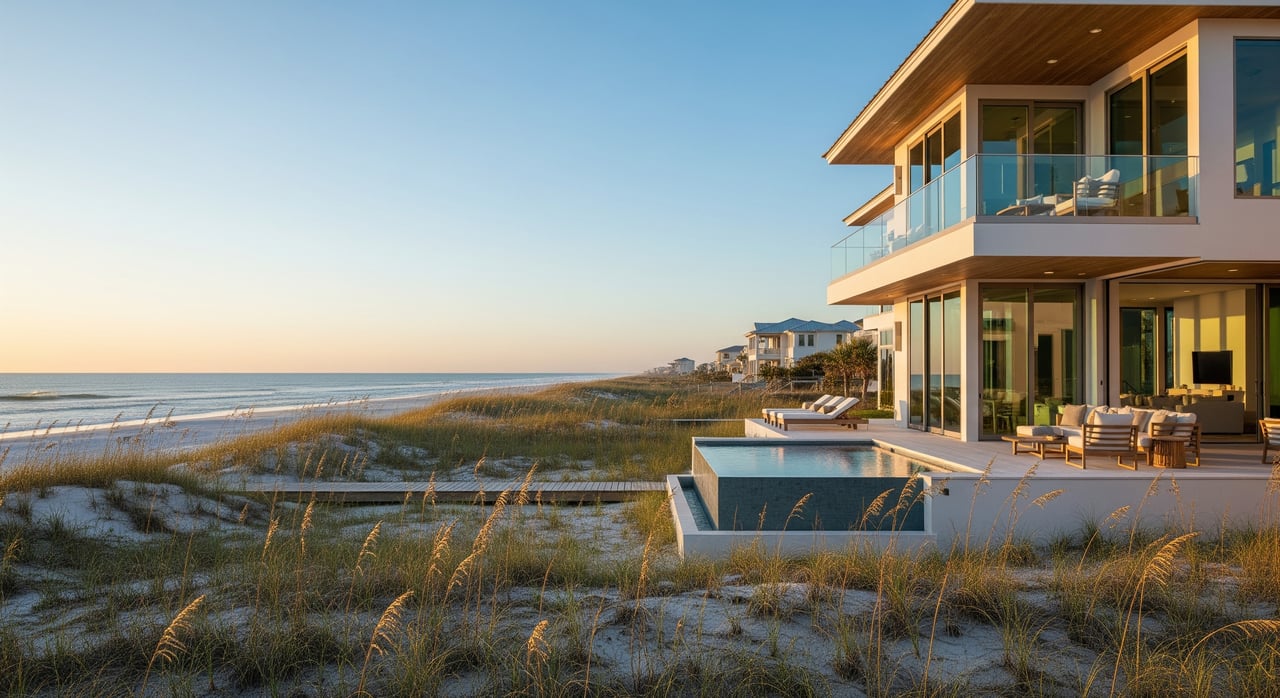
Direct beachfront with private or deeded access carries a clear premium over near-beach or obstructed-view homes. Wider lots and unobstructed panoramas, especially sunset views, can push values higher. Partial or compromised views usually mean smaller adjustments.
Elevation and flood zone
Your FEMA flood zone designation and actual building elevation affect pricing and financing. Homes in Special Flood Hazard Areas often require flood insurance for financed purchases, which raises operating costs. An elevation certificate boosts buyer confidence and can improve insurance options.
Construction and resiliency
Buyers value homes built or updated to modern coastal codes. Elevated pilings, wind-resistant roofing, rated openings, and permitted rebuilds can reduce risk and support a higher price. Recent, permitted improvements usually help with both appraisals and insurability.
Dune, shoreline, and erosion
Healthy dunes and stable shoreline conditions matter. Evidence of erosion or unpermitted hard stabilization can reduce value or limit financing. Buyers respond to visible stability and documented stewardship of the beach environment.
Access and easements
Private access or deeded beach rights support a stronger price. Public access points or easements that limit exclusive use may reduce the premium. Clear title and documentation ease buyer concerns.
Utilities and parking
Connection to municipal sewer and reliable utilities is a plus. Aging septic systems or limited parking can constrain STR capacity and future improvements, which can weigh on value.
Short-term rental potential
Projected short-term rental (STR) income is a major driver. Occupancy and nightly rates shift by season, so investors focus on conservative pro formas. Local rules, permits, and HOA restrictions can materially change income potential.
Insurance and operating costs
Coastal homes face higher wind and flood costs. Availability, deductibles, and premiums vary by carrier and construction. These line items affect net income and buyer willingness to pay.
Comps and scarcity
Beachfront sales are fewer and often seasonal. With thin data, a single standout sale can move list prices quickly. Expect broader adjustments and more weight on income and cost approaches.
Insurance, permits, and rules that change the math
- To confirm current flood zones and download FIRM panels, visit the FEMA Flood Map Service Center.
- For guidance on wind, flood, and carrier availability in coastal Alabama, use the Alabama Department of Insurance.
- For business licensing, STR rules, and permits, check the City of Gulf Shores.
- For long-term sea level and storm surge visuals, explore NOAA’s Coastal Services tools and Sea Level Rise Viewer.
- For parcel and tax data, view the Baldwin County portal at Baldwin County.
These sources help you validate requirements that can impact price, financing, and ongoing costs.
Three ways to value a Gulf Shores beachfront home
1) Sales comparison approach
Start with the most similar beachfront sales and adjust for frontage, view, elevation, lot width, construction, and rental orientation. When true beachfront comps are scarce, you may use near-beach sales with careful adjustments for access and view premiums. In a seasonal market, look at a rolling 12-month window and study days on market and list-to-sale ratios from the Gulf Coast MLS.
2) Income approach
If STR income is part of the plan, analyze actual historical gross income and adjust for seasonality and vacancy. Deduct operating costs, including higher coastal insurance and maintenance, to estimate NOI. Apply a market-supported cap rate for a grounded estimate of investor value.
3) Cost approach
For unique or newer builds, calculate replacement cost less depreciation, then add land value. Be sure to include elevated foundation and hurricane-resilient features, which are more expensive on the coast. This approach often sets an upper bound when comps are limited.
Seller checklist to justify a premium
Gather the documents buyers and appraisers want to see. Clear information reduces friction and supports stronger offers.
- Current survey and elevation certificate
- Title review focused on beach access, easements, and coastal zone items
- Recent insurance quotes or written confirmation of insurability
- Documentation for repairs, upgrades, and permits
- STR history and performance if you market to investors
- Photos of the view, dune condition, access path, and any damage repairs
Buyer due diligence for confident offers
Protect your budget and increase your certainty with a structured checklist.
- Verify FEMA flood zone and request the elevation certificate
- Obtain flood and wind quotes from insurers familiar with coastal Alabama
- Confirm deeded beach access and any nearby public access points or easements
- Review city STR licensing, occupancy taxes, and any HOA restrictions
- Order a coastal-focused structural inspection that evaluates pilings and erosion risk
- Model total cost of ownership, including insurance, maintenance, and realistic STR income
Pricing tactics in a thin, seasonal market
Beachfront pricing in Gulf Shores moves with inventory, travel patterns, and standout sales. Use fresh comps and the rolling 12-month view to smooth seasonal swings. If investor buyers are active, income metrics may outweigh owner-occupant comps. Be transparent about flood zones, insurance costs, and STR rules to keep deals together.
Common pitfalls to avoid
- Listing without an elevation certificate or recent survey
- Assuming insurance is easy or inexpensive without quotes
- Marketing STR potential without confirming licensing rules
- Ignoring dune protection, shoreline change, and setback limits
Long-term risk and buyer perception
Some buyers apply a discount for long-term sea-level rise and storm surge uncertainty. Visual tools from NOAA help frame the conversation, but near-term pricing often follows rental demand and seasonal trends. Clear documentation and conservative income modeling help buyers balance lifestyle and investment goals.
Ready to talk pricing?
Beachfront pricing rewards preparation and local expertise. If you want a number that stands up to appraisals and investor scrutiny, bring the right documents and the right team. To discuss your property or plan a purchase, connect with CoateConnection and Schedule a Free Consultation.
FAQs
How do I estimate a beachfront premium in Gulf Shores?
- Absolute beachfront often commands a meaningful premium over near-beach, but the exact amount depends on lot width, elevation, view, access rights, and current market conditions.
Why is an elevation certificate important for pricing and loans?
- It shows the building’s height relative to base flood elevation, helps insurers price risk, and gives lenders and appraisers clarity that can support value and financing.
How do STR rules in Gulf Shores affect value?
- Licensing, occupancy taxes, and HOA restrictions can raise or limit income potential, which directly impacts investor pricing and buyer demand.
Can I always get flood and wind insurance on the coast?
- Most properties are insurable, but premiums and deductibles vary by carrier and construction; obtain current quotes early in the process.
How should investors model rental income seasonality?
- Use actual history when available, apply conservative occupancy and nightly rates across peak and off-season, and include higher coastal insurance and maintenance in expenses.