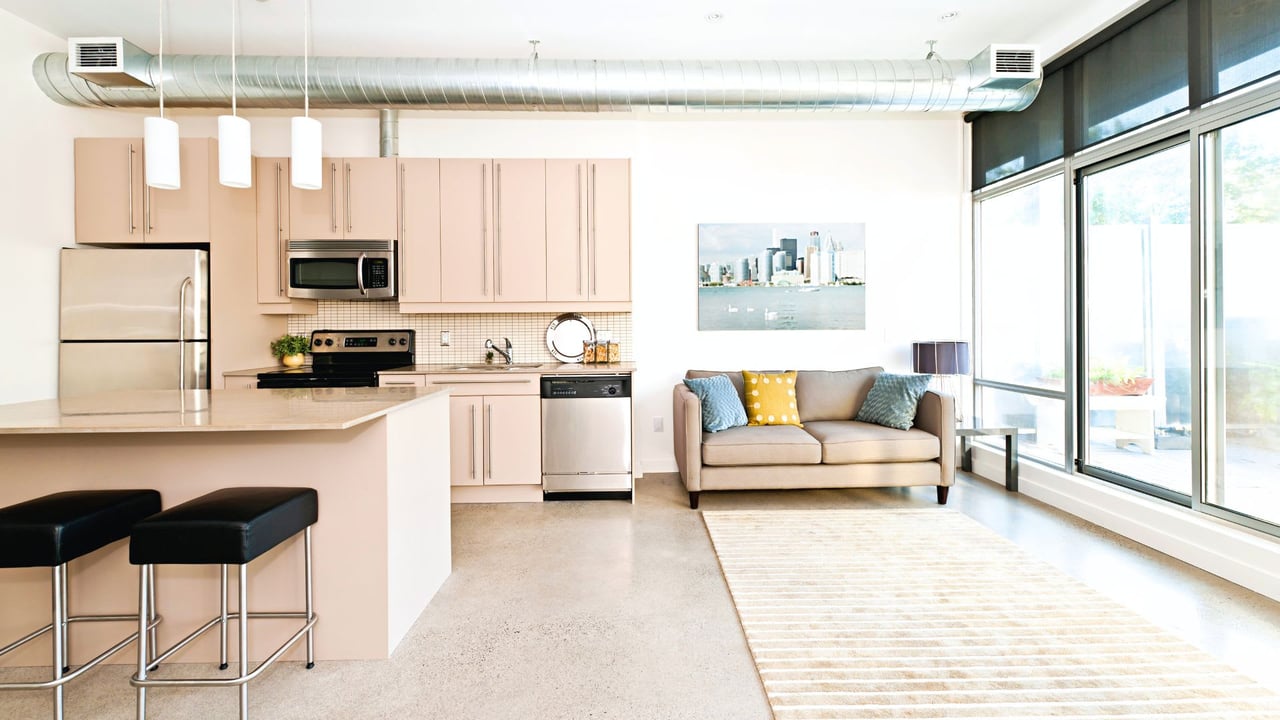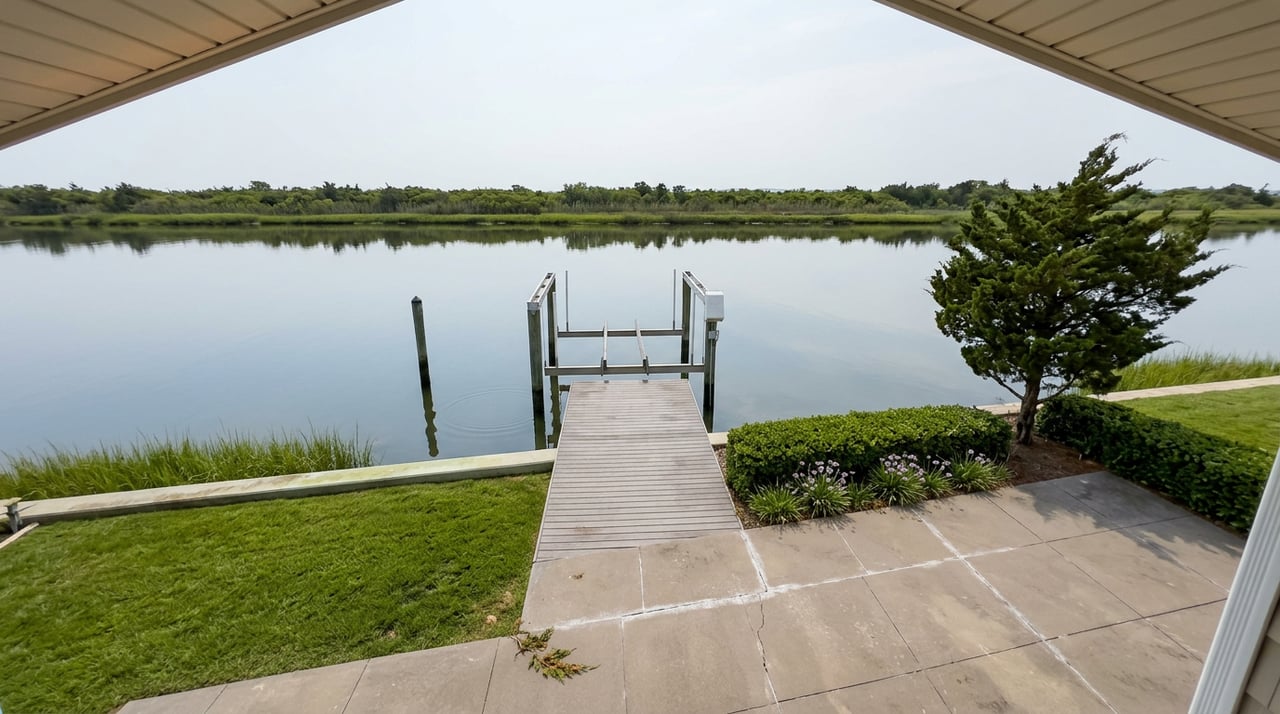
Picture two buyers touring Orange Beach on the same Saturday afternoon, ten minutes apart. Both homes sit on the water. Both have a boat lift, a wall of windows facing the sunset, and a listing sheet that says "waterfront." One of them can be booked for a three-night weekend starting next month. The other cannot legally host a guest for less than two weeks, no matter how badly the new owner wants the income.
The difference has nothing to do with the tide, the dock, or the view. It comes down to a zoning line the Orange Beach City Council drew in 2018, one that runs through the middle of established neighborhoods and is completely invisible from the street.
The Ordinance That Split the City
In December 2017, the council passed a six-month moratorium on new short-term rental licenses to give staff time to study the issue and draft permanent rules. What emerged the following spring was Ordinance 2018-1283, now codified as Article XI of the city's rental code. The council's own findings framed the problem plainly, warning that unregulated transient occupancy in residential districts threatened the character of the neighborhoods around it.
The ordinance defines a vacation rental property as any residential structure located within the RS-1, RS-2, RS-3, or MHS zoning districts, then carves out one specific exception: it does not apply to properties inside the Beach Overlay District. That single clause is the entire ballgame. The Beach Overlay District, mapped along Perdido Beach Boulevard, covers most of the Gulf-front strip and allows rentals of any length, including a single night. Everything zoned RS-1, RS-2, RS-3, or MHS, which is most of the canal, bay, and inland residential streets off Canal Road, is locked into a 14-day minimum stay unless a Planned Unit Development master plan specifically permits otherwise.
What "Waterfront" Doesn't Tell You
A listing that mentions a dock, a lift, or a water view says nothing about which side of that line the parcel sits on. Here is the distinction that actually matters:
| Zone type | Minimum stay allowed | Typical setting | What a buyer needs to check |
|---|---|---|---|
| Beach Overlay District | Any length, including nightly | Gulf-front lots and condos along Perdido Beach Boulevard | Confirm the parcel is inside the mapped overlay, not just close to the beach |
| RS-1, RS-2, RS-3, MHS | 14 consecutive days minimum | Canal-front and bay-front residential streets, including many docked and lift-equipped homes | Pull the official zoning map before assuming any rental income potential |
| RM or PUD zones | Determined case by case | Multi-family buildings and planned developments | Rental rights depend on the approved PUD master plan and the HOA's own rules |
The category that trips people up most is the middle row. A home on a quiet residential canal a few streets back from the beach can have every physical feature of a rental-ready property, a dock, a lift, deep water at the seawall, and still be barred from anything shorter than two weeks, because the ordinance was written around zoning boundaries rather than water access. Buyers who assume any dock equals rental income are pricing the wrong product.
The Paperwork That Comes After the Zoning Answer
Confirming that a property sits in the Beach Overlay District only clears the first hurdle. Operating legally still requires a city Business License and a separate Vacation Rental Certificate, which must be posted inside the unit along with the city's good neighbor brochure. Each bedroom counted toward the rental has its own code requirements: a minimum of 70 square feet for single occupancy, two means of egress, a seven-foot ceiling, a working smoke detector, and a functioning heating system.
Occupancy is capped at two adults per bedroom, with allowances for children 14 and under, and that number has to appear in every written rental agreement. Owners are also required to keep a local contact reachable at all hours who can respond to a complaint within 30 minutes, which is why most out-of-state owners hire a local property manager rather than try to field 2 a.m. calls themselves. The city enforces these rules with real penalties: $100 per day for occupancy violations and up to $1,000 for safety code violations, on top of losing the license entirely.
The tax side of this had already moved the year before the zoning fix arrived. In fall 2017, the city raised its lodging tax by two percentage points to a combined 13 percent, among the highest in the region at the time, and the 2018 ordinance then settled the separate question of where a rental could legally operate at all. Rates and add-on fees can shift since then, so confirming the current figure with the city's finance department before closing is a smart step for any buyer running rental projections.
What This Means at Today's Price Tag
Over the three months ending in May 2026, homes in Orange Beach sold at a median price around $690,000, up roughly 6 percent from the same period a year earlier. Homes are also sitting longer, averaging about 101 days on market compared to 76 days the year before, which gives buyers more room to do this kind of homework than the market allowed just a couple of years ago.
That extra time matters because the zoning answer changes the math on a purchase this size. Recent short-term rental analytics for the market put median host earnings on permitted nightly rentals in the mid-$60,000s annually, with average nightly rates near $390 and occupancy in the high 60 percent range. Those are real numbers, but they only apply to properties inside the Beach Overlay District. A buyer running that same income model against a $700,000 canal-front home zoned RS-2 is pricing a product that does not legally exist. The 14-day minimum pushes that property into long-term rental or personal-use economics instead, which is a fundamentally different return profile at the same purchase price.
How to Confirm Before You Write an Offer
- Ask the City of Orange Beach Planning & Zoning Department for the parcel's zoning designation directly. Don't rely on the listing description alone.
- If a Vacation Rental Certificate already exists on the property, request a copy and confirm it's current and transferable.
- Read the HOA or PUD declaration even when the zoning allows short-term rental. Private covenants can be stricter than the city's own rules.
- Have your agent overlay the exact address on the city's official Vacation Rental Map before comparing it to a neighbor's listing that already operates nightly. Zoning lines can split a single street.
The fact that this boundary runs invisibly through neighborhoods that look identical from a boat is exactly why the sale price alone can't tell a buyer what they're actually getting. Two homes on the same canal can carry the same square footage, the same dock, and completely different rental futures.
Frequently Asked Questions
Does being right on the water automatically put a property in the Beach Overlay District? No. The overlay follows a mapped boundary along Perdido Beach Boulevard, not simple proximity to water. Canal-front and bay-front addresses, even ones with direct boating access, are typically outside it and fall under the 14-day minimum.
Can an HOA restrict nightly rentals even inside the Beach Overlay District? Yes. City zoning sets the floor, not the ceiling. A condo association or subdivision's own declaration can prohibit or limit short-term rentals even where the city would otherwise allow them.
What happens if a new owner operates a nightly rental in a restricted zone without realizing it? The city can fine $100 per day for occupancy violations and up to $1,000 for safety code violations, and an unlicensed rental business can be shut down entirely. Confirming zoning before closing avoids finding this out the hard way.
Zoning maps, HOA declarations, and vacation rental certificates are exactly the kind of paperwork that determines whether a purchase performs the way a buyer expects. Coate Connection works both sides of the Alabama and Florida Gulf Coast every day and can walk a specific parcel through this before an offer goes in. Schedule a free consultation to find out which side of the line your next Orange Beach property sits on.